
The use of pesticides has steadily increased over recent years to improve crop yields and in response to changing patterns of transboundary insect and fungal infestations driven by climate change. New active ingredients have also been developed and other chemicals are sometimes used inappropriately in agriculture. Flexible, targeted and cost-effective agricultural management systems are required to avoid potential food crises and emergencies caused both by plant pests and by the high levels of agrochemical inputs needed to control them, and to ensure the continuous production of safe food and the sustainability of the environment in which we live.
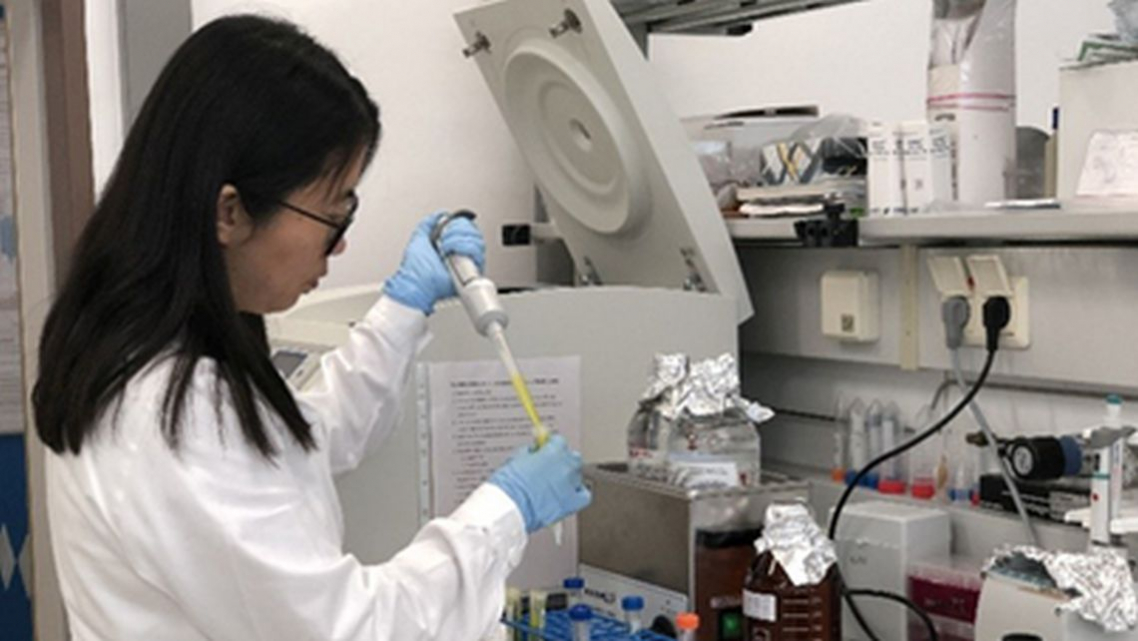
To facilitate the implementation and continuous improvement of such systems and respond to changing social, economic and environmental conditions, laboratory and field analytical services are vital to provide data and feedback on food safety and environmental impact. Working with counterpart institutes in more than 30 countries, the IAEA, in cooperation with the Food and Agriculture Organization of the United Nations (FAO), has developed an innovative, resource-effective, integrated analytical approach for pesticide management to help meet these challenges.
It was recognized that there was a need to provide objective indicators for pesticide management by strategic monitoring of agricultural practices in order to cost-effectively reduce the occurrence of harmful residues in food crops. Focusing on implementing risk assessment approaches to reduce reliance on expensive pesticide residue testing, the Joint FAO/IAEA Centre of Nuclear Techniques in Food and Agriculture initiated catchment-scale studies in several countries world-wide on integrated (one health) monitoring systems. Key to the approach was the monitoring of surface-water quality as an indicator of the effectiveness of pesticide management practices, in combination with pesticide monitoring in food.
The strategy combines monitoring and modelling approaches, using analytical chemistry and biomonitoring methodologies to target high-impact rating pesticides in food, surface water and sediments in previously characterized catchments. This integrated multi-disciplinary approach enables upstream, preventative control of pesticide residues in food and allows assessment of the impact of pesticide management practices in developing countries where pesticide regulations may not exist or lack enforcement, facilitating management actions and improvement of agricultural practices.
