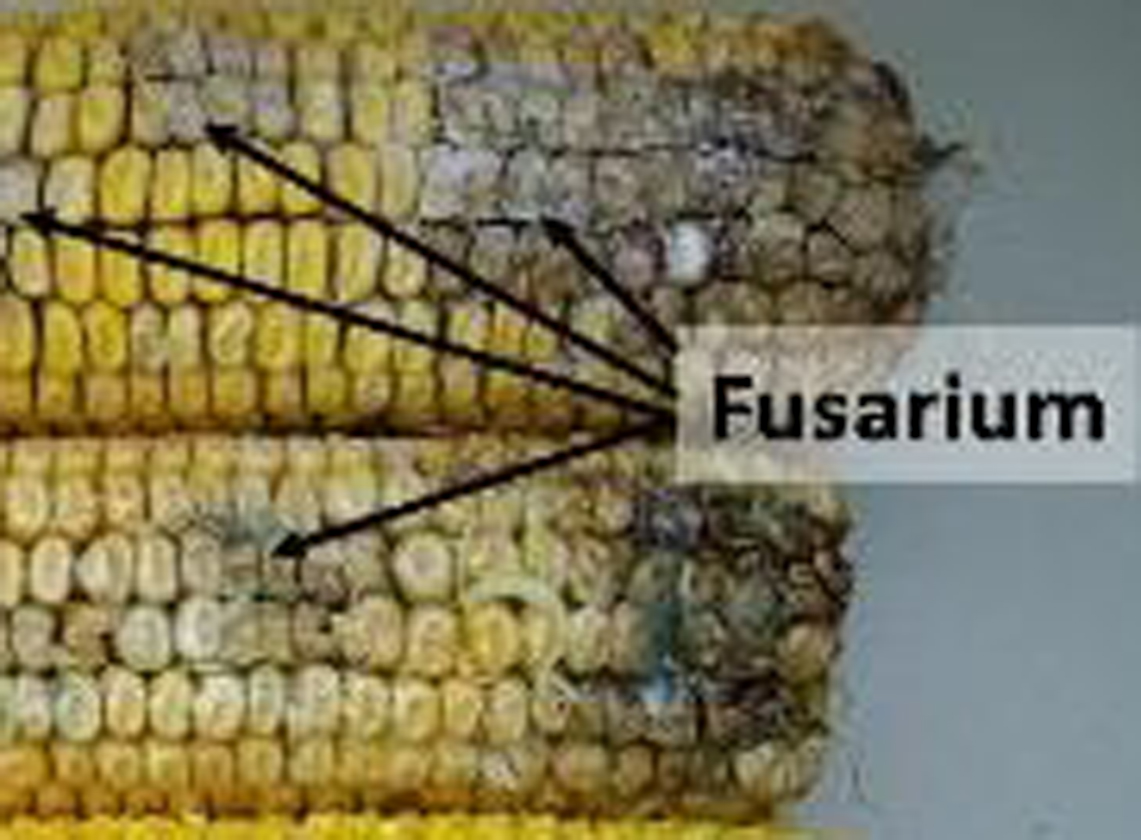

They are unique among the mycotoxins in being almost exclusively contaminants of maize, particularly when grown in warmer regions. Maize is a major human dietary staple that has been in the diet of Nigeria and the African region for centuries. It started as a subsistence crop and has gradually become a major and the most frequently consumed crop in Nigeria. Fumonisins are also detected in symptomless maize kernels, and surveys of good quality maize and maize based products have revealed the natural presence of fumonisins at very low levels.
Because of concerns about mycotoxin contamination in the food and feed supply in developing countries, the International Atomic Energy Agency (IAEA) Technical Cooperation (TC) Department, in collaboration with the Food and Environmental Protection Subprogramme of the Joint FAO/IAEA Joint Centre of Nuclear Techniques in Food and Agriculture, developed a number of international capacity building projects aimed at the establishment of analytical infrastructures to monitor import/export agricultural products for consumer health protection and to support food trade between member states. Within the framework of the IAEA TC Project NIR/5/030 entitled Regulatory Control and Monitoring of Contaminants and Residues in Fresh Produce, staff members from the National Agency for Food and Drug Administration and Control (NAFDAC, Nigeria) were trained on the use of analytical methodologies to detect, monitor and control fumonisins in maize.