<dd id="rw0xn"></dd>

  • <label id="rw0xn"></label>

  • <sup id="rw0xn"><strike id="rw0xn"></strike></sup><label id="rw0xn"></label>
      <th id="rw0xn"></th>
    1. <var id="rw0xn"></var>
        1. <table id="rw0xn"></table>

          <sub id="rw0xn"><meter id="rw0xn"></meter></sub>

          International Review Sees Progress in Cancer Control in Tanzania

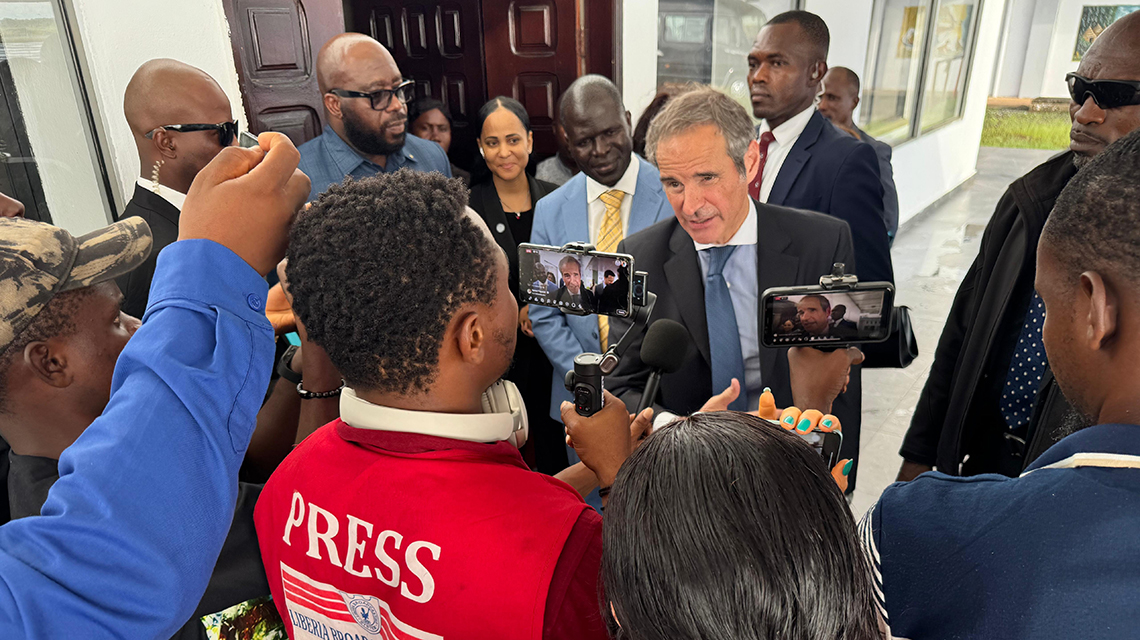
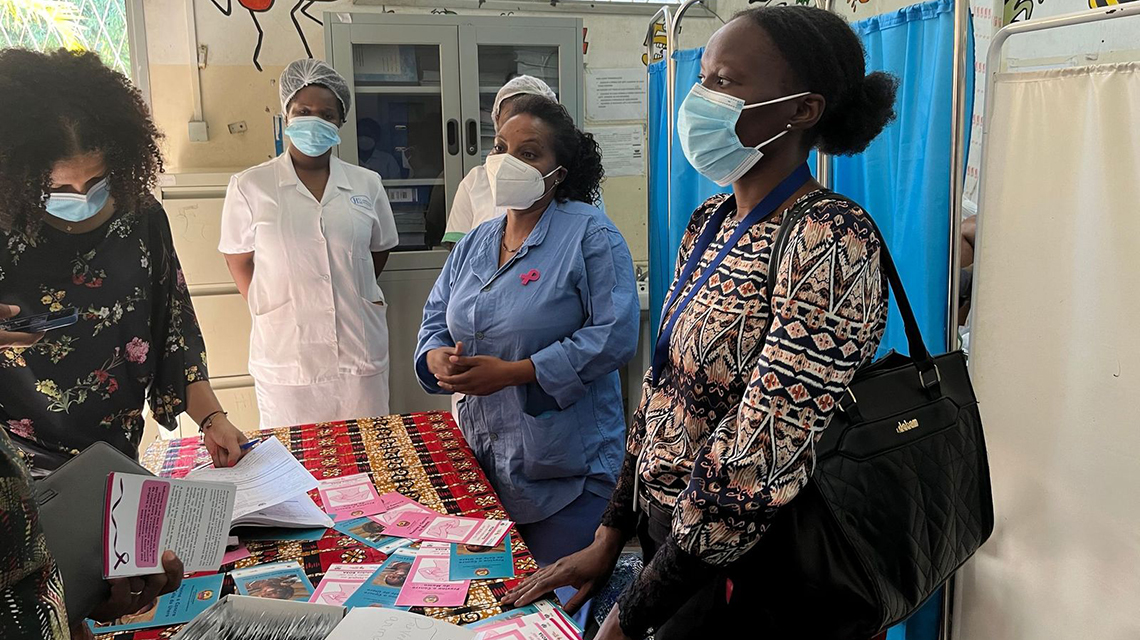
          A group of international experts nominated by the IAEA, WHO and IARC conducted a comprehensive review of cancer services in Tanzania in September 2025. (Photo: L. Haskins/IAEA).

          A review by the IAEA and partners has found that the United Republic of Tanzania has taken important steps to decentralize cancer services with a new centre bringing radiotherapy to the Kilimanjaro region and plans for expanding this critical treatment to other parts of the country. Reviewers made recommendations to strengthen cancer prevention and treatment, with a focus on developing human resources in oncology. 

          Tanzania sees over 40 000 new cases of cancer each year. Among women, cervical cancer is the most common, making up over 60% of cases, followed by breast cancer. Among men, prostate cancer makes up nearly half of cases, followed by oesophageal cancer. More than 70% of cancer patients present at late stages, putting pressure on the national health system. 

          The imPACT Review, carried out jointly by the IAEA, the World Health Organization (WHO) and the International Agency for Cancer Research (IARC), evaluated progress since a previous assessment in 2006 to inform strategic documents, such as a new national cancer plan and funding proposals to expand services.

          In September, 11 international experts nominated by the three organizations held discussions with Ministry of Health officials and other national stakeholders and visited health facilities in the cities of Dar Es Salam, Mwanza and Dodoma as well as Zanzibar. 

          “Tanzania has made strides in cancer control, including strengthening infrastructure, expanding human resource capacity and refining our policy framework in response to the rising cancer burden,” said Seif Shekalaghe, Permanent Secretary at Tanzania’s Ministry of Health. “This imPACT review provides a timely opportunity to reflect on our progress, identify areas for strengthening and chart the course for the next phase of our journey,” he added.  

          Progress in Cancer Prevention

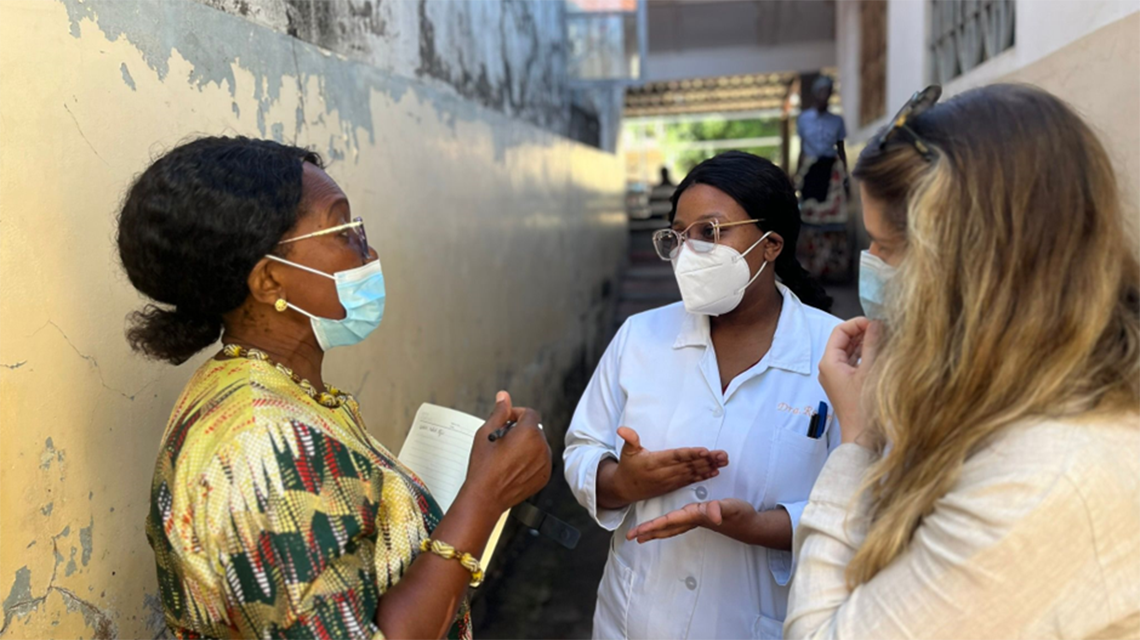
          The imPACT team visited cancer related facilities around the country, including the Muhimbili National Hospital, to review oncology services. (Photo: L. Haskins/IAEA).

          The review found that Tanzania has prioritized cancer care since the previous assessment with the implementation of the 2013-2022 National Cancer Control Strategy. The team recommended targeted actions to strengthen prevention and early detection.

          The team noted progress in tobacco control, with a modest reduction in smoking prevalence among adults in the past decade. They urged Tanzania to build momentum through tobacco taxation policies and anti-smoking mass media campaigns. 

          Regarding cervical cancer, Tanzania introduced single-dose HPV vaccination in 2024, achieving 98% coverage among 9- to 14-year-olds via school campaigns. Authorities were encouraged to sustain efforts, especially for out-of-school girls. 

          Cancer screening remains limited, especially for women’s cancers. HPV tests to detect the virus that causes cervical cancer have been introduced as a pilot but need to be scaled up. The review recommended raising awareness about women’s cancers through health workers, NGOs, media and at primary care level. 

          “Expanding population-wide screening and early diagnosis through a phased, resource-sensitive approach remains a critical priority for Tanzania,” said Partha Basu, Head of the Early Detection, Prevention and Infections Branch at IARC. 

          Developing the Oncology Workforce

          The review noted disparities in the distribution of specialized professionals that support cancer control; with around half of the country’s pathologists based in Dar es Salaam. The team found good capacity for local training and high retention rates, which could enable greater availability of these professionals through telepathology. 

          In imaging and nuclear medicine, Tanzania has a well-established training programme at Muhimbili University, which has extended some capacity to all regional hospitals. The team suggested expanding interventional radiology and mammography services, as well as training in nuclear medicine, physics and radiopharmacy. 

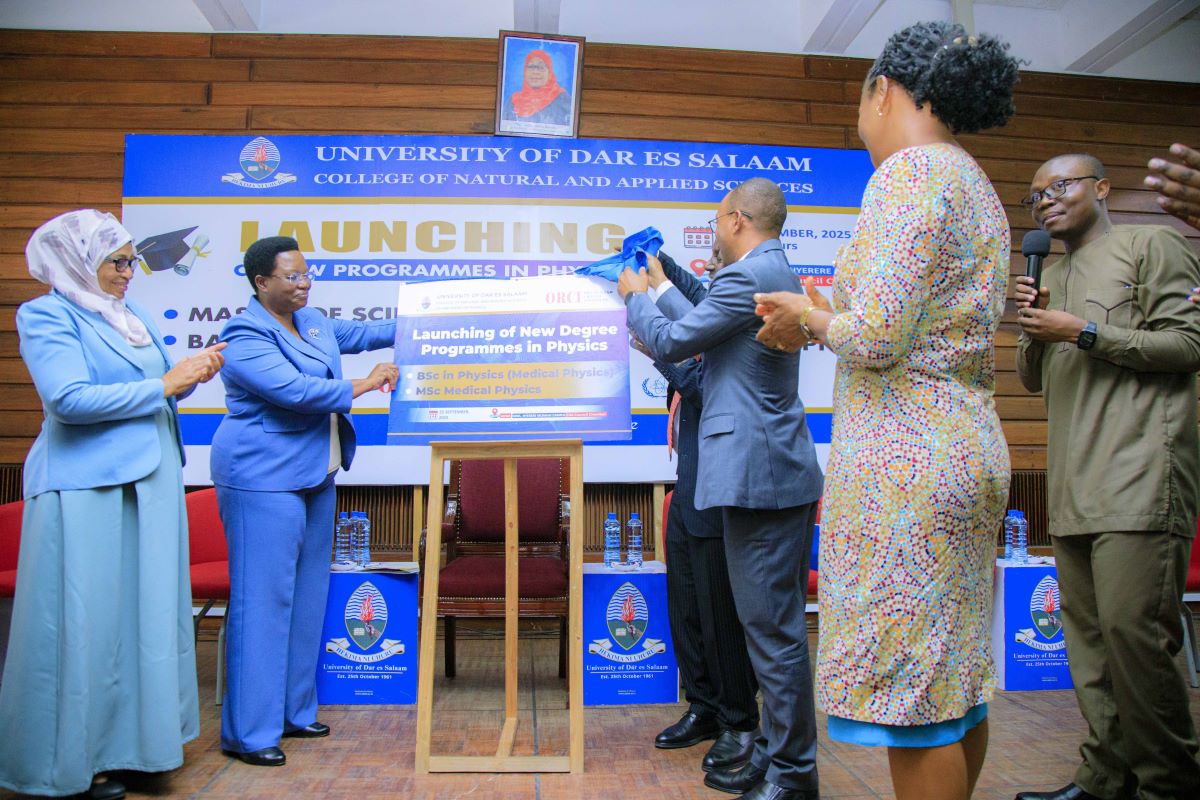
          The IAEA has supported Tanzania in establishing clinical oncology training at the Ocean Road Cancer Institute in Dar Es Salaam in 2010 and recently in launching its first undergraduate and postgraduate programmes in medical physics. 

          Efforts Underway to Decentralize Cancer Care

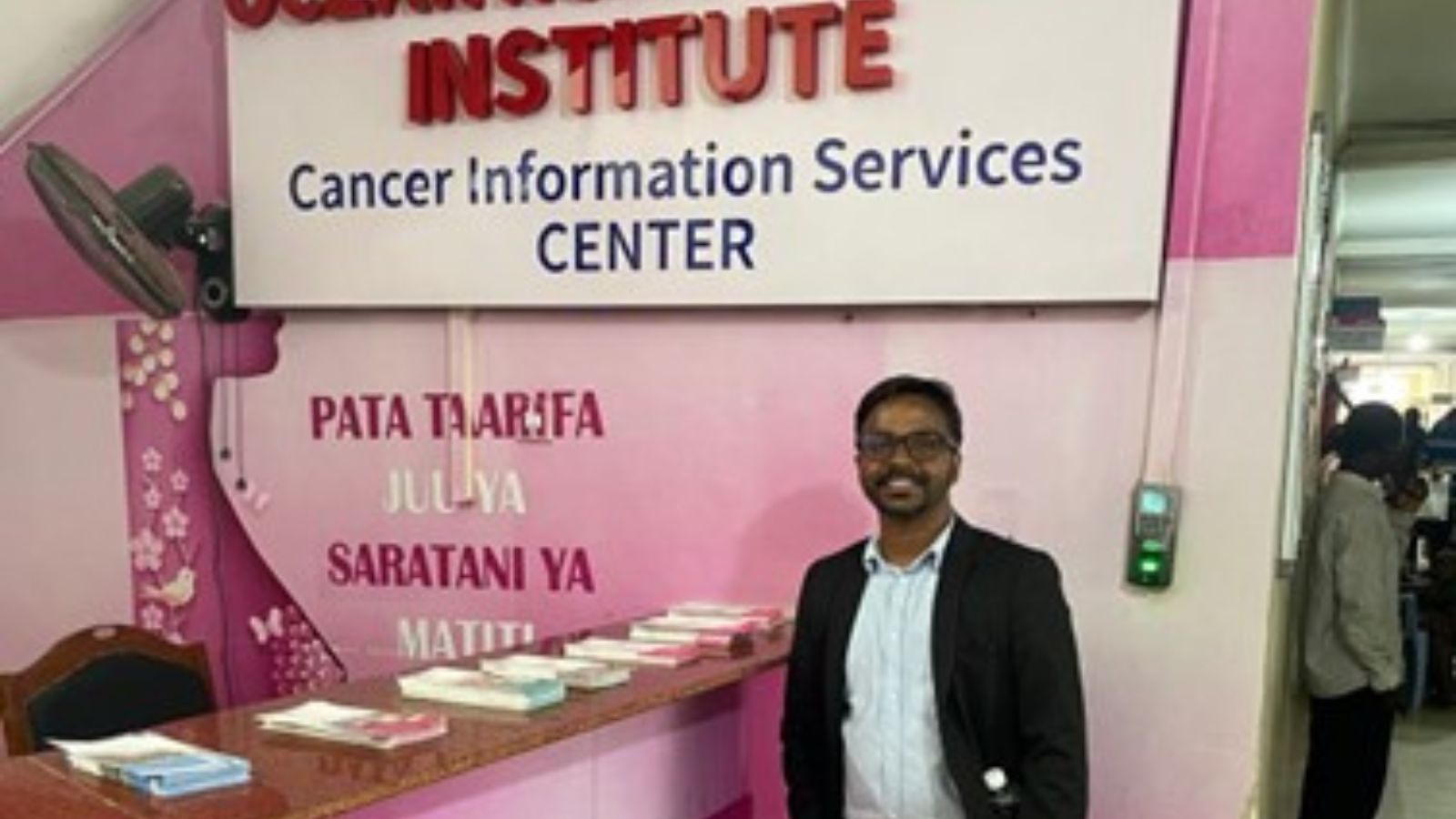
          In Dar es Salaam, the team visited the Ocean Road Cancer Institute, which has a long history of collaboration with the IAEA. (Photo: L. Haskins/IAEA).

          The review commended Tanzania for expanding radiotherapy centres to other parts of the country. A new centre has opened in the Kilimanjaro region and facilities are planned in Dodoma, Mbeya and Zanzibar. The IAEA supports these efforts through its Rays of Hope initiative to increase access to radiation medicine. 

          Challenges remain, however, with a shortage of specialized staff, frequent equipment breakdowns and an inadequate number of radiotherapy machines for Tanzania’s 60+ million people. The review recommended strengthening existing centres with in-house engineers, multidisciplinary teams and quality assurance programmes. 

          “Through its technical cooperation and human health programmes, the IAEA has supported Tanzania’s efforts to enhance its capacity for cancer care,” said Azza Kashlan, IAEA Programme Management Officer. “This strong partnership will continue in the coming years, ensuring sustained support to improve cancer diagnosis, treatment and patient outcomes across the country.”  

          <dd id="rw0xn"></dd>

        2. <label id="rw0xn"></label>

        3. <sup id="rw0xn"><strike id="rw0xn"></strike></sup><label id="rw0xn"></label>
            <th id="rw0xn"></th>
          1. <var id="rw0xn"></var>
              1. <table id="rw0xn"></table>

                <sub id="rw0xn"><meter id="rw0xn"></meter></sub>
                97碰成人国产免费公开视频