Confidence in the safety of the food supply is paramount in a nuclear or radiological emergency.
“Although low probability events, nuclear emergencies are potentially high impact, so it is important to be prepared and plan how to react, should one happen,” said Dongxin Feng, Director of the Joint FAO/IAEA Centre of Nuclear Techniques in Food and Agriculture.
Not all nuclear or radiological incidents release radioactive material into the environment. In those that do, people can be exposed to radioactivity by eating or drinking something contaminated by radionuclides, which can be carried by wind and water and can move through soil and sediments.
“In the immediate aftermath of a nuclear or radiological emergency, soil, crops, animal feed and even foodstuffs in the open could be dusted with radionuclides,” said Gerd Dercon, Head of the Soil and Water Management and Crop Nutrition Laboratory of the Joint FAO/IAEA Centre. “In a matter of days, these radionuclides begin to disperse through soil and sediments, where they are taken up by crops which may be consumed by people or livestock.” If not quickly addressed, this contamination has the potential to affect crops and livestock for years.
Advising the public
Warning people about a potential threat to their food supply is a top priority in an emergency. In issuing precautionary advice, national authorities rely on international standards for guidance. The IAEA Safety Standards on emergency preparedness and response include intervention levels for radionuclides in food, which are key for determining when protective actions are necessary. The IAEA also has general standards to help manage radionuclides in everyday, non-emergency situations because radionuclides also occur naturally. Meanwhile, the international standards of the joint FAO/WHO Codex Alimentarius Commission set out guidelines for food trade following a nuclear emergency. In addition, since the 2011 accident at Japan’s Fukushima Daiichi nuclear power plant, much has been done to raise awareness among decision makers and the public about background radioactivity levels in food — such as naturally occurring radionuclides in some seafoods — to put levels of risk into perspective.
Assessing contamination levels
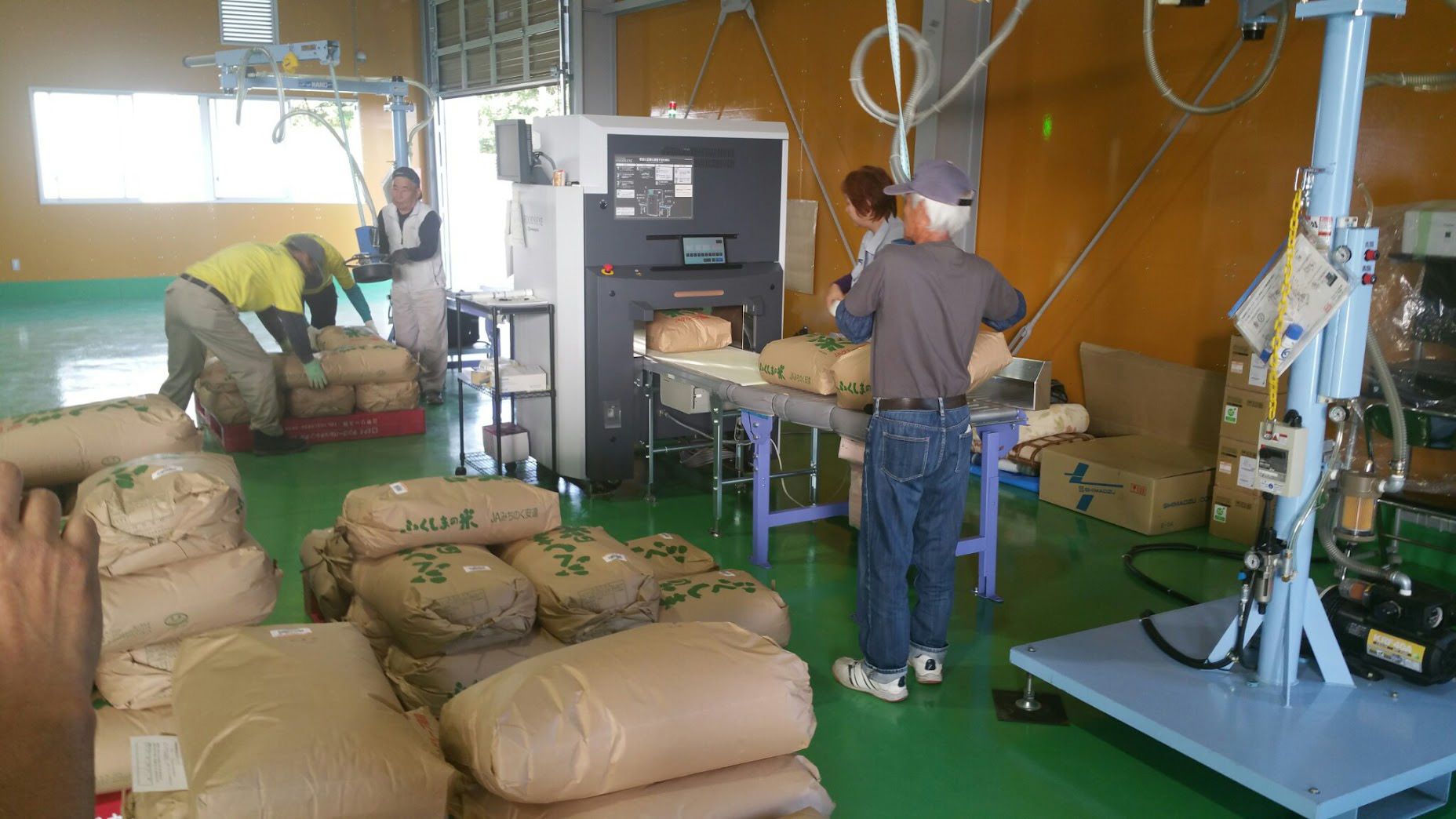
When a nuclear or radiological incident occurs, sampling and measurements must be quickly implemented to delineate affected areas that can be ringfenced to prevent contaminated agricultural products from entering the food supply.
Radionuclides can persist in soil and transfer into agricultural products. Because even small amounts of radionuclides in soil can add up over time and enter the food chain, safety levels are set low. Also, depending on the prevailing weather and topography, it may be necessary to place restrictions on food-producing areas far from where an accident happened. For example, radionuclides in the air can fall to earth in localized precipitation, concentrating where they fall. Or far-off hills can funnel wind, resulting in higher concentrations of airborne radionuclides in some areas.
The IAEA, through the Joint FAO/IAEA Centre, focuses on systems and protocols for assessing radioactive contamination in agriculture to mitigate the impact. These tools can be used for routine surveillance under normal conditions, but in emergencies they are crucial to support rapid decision making on whether and where food restrictions are needed.
A bespoke electronic decision support system for nuclear emergencies affecting food and agriculture coordinated by the Joint FAO/IAEA Centre can assist countries with agrifood monitoring. “It provides a crucial framework for managing and responding to the complexities of nuclear emergencies that impact food and agriculture,” said Franck Albinet, a data science consultant who worked on developing the system. “It aids data collection, management and the ability to visualize the data as maps that can help national authorities determine where foodstuffs are affected.”
Mitigation measures
Mitigation measures aim to reduce the accumulation of radioactivity in agricultural environments after an incident.
Depending on the type of radionuclide, mitigation measures may include: removing contaminated topsoil; deep ploughing to bury contaminants beneath the root zone; applying soil amendments (e.g., potassium fertilizer to reduce uptake of radioactive caesium by crops); adding binding agents to animal feed to reduce absorption of contaminants and their transfer to milk or meat; or shifting land use from food crops to industrial or energy crops (e.g., for textiles, bioplastics or biofuels).
Documenting and sharing experience
Drawing on lessons from the Fukushima and Chornobyl nuclear accidents, the IAEA compiled key strategies and practices for managing food and agriculture after an incident. It also coordinated an international research effort to identify practical options to slow, stop and possibly reverse the transfer of radionuclides from contaminated soil. Additionally, it developed guidelines on radioactivity in food in everyday, non-emergency situations.
The Veterinary Diagnostic Laboratory (VETLAB) Network enables veterinary professionals to share knowledge and experience. “After the 2011 nuclear accident in Japan, the VETLAB Network coordinated efforts to help veterinary services worldwide better understand their role in preparing for, responding to and recovering from an emergency,” said Ivancho Naletoski, a Joint FAO/IAEA Centre animal health specialist. Lessons from this experience were published in a 2021 book.
The IAEA is part of an international framework for responding to actual, potential or perceived nuclear or radiological emergencies set out in the Joint Radiation Emergency Management Plan of the International Organizations. “Through the Joint FAO/IAEA Centre, the IAEA helps countries enhance their readiness and response capabilities by coordinating research and implementing capacity-building initiatives to help them protect food and agriculture in the unlikely event of an emergency,” said Feng.