Safeguards agreements between individual States and the IAEA govern the application of the IAEA’s nuclear verification work. Currently the IAEA implements safeguards for 185 States all over the world of which 178 have in force comprehensive safeguards agreements (CSA). The conclusion of a CSA with the IAEA is mandatory for all non-nuclear-weapon States party to the Treaty on the Non-Proliferation of Nuclear Weapons (NPT). Several groups of countries established regional nuclear-weapon-free zones (NWFZs) before and after the entry into force of the NPT. The regional treaties establishing NWFZs, similarly to the NPT, create safeguards obligations for their State Parties.
The IAEA is responsible for verifying and assuring that States comply with their safeguards agreements concluded with the IAEA in fulfilment of their obligations under the NPT and NWFZ treaties.
Furthermore, at the request of the States concerned, the IAEA provided support during the development process of two of these treaties: the Treaty of Pelindaba, establishing a nuclear-weapon free zone in Africa, concluded in 1996, and the Treaty of Semipalatinsk, establishing a nuclear-weapon free zone in Central Asia, concluded in 2006. The IAEA’s support included the provision of technical and legal advice to the States participating in the negotiation process.
Through its legislative assistance programme, the IAEA also assists States party to these treaties to put in place national legislation governing the peaceful uses of nuclear energy in order to enable them to implement the international legal instruments related to nuclear non-proliferation and safeguards and other areas of nuclear law such as nuclear safety and security and liability.
The safeguards provisions set out in the NWFZ treaties are similar to those in the NPT, as they require State Parties to conclude CSAs with the IAEA. The Treaty of Semipalatinsk also requires State Parties to conclude an additional protocol (AP) with the IAEA, which grants to the IAEA wider access to information and locations in a country.
Like the NPT, the Rarotonga, Bangkok, Pelindaba and Semipalatinsk Treaties also include provisions requiring IAEA safeguards as a condition of supply by State Parties of source or special fissionable material, or equipment or material specially designed or prepared for the processing, use or production of special fissionable material. The Treaty of Semipalatinsk also requires the conclusion of an AP as a condition of supply of such nuclear material and equipment.
Some NWFZ treaties provide for a broader role for the IAEA, such as the possibility of participation in fact-finding missions or inspections in the event that questions concerning compliance with the provisions of the treaties arise.
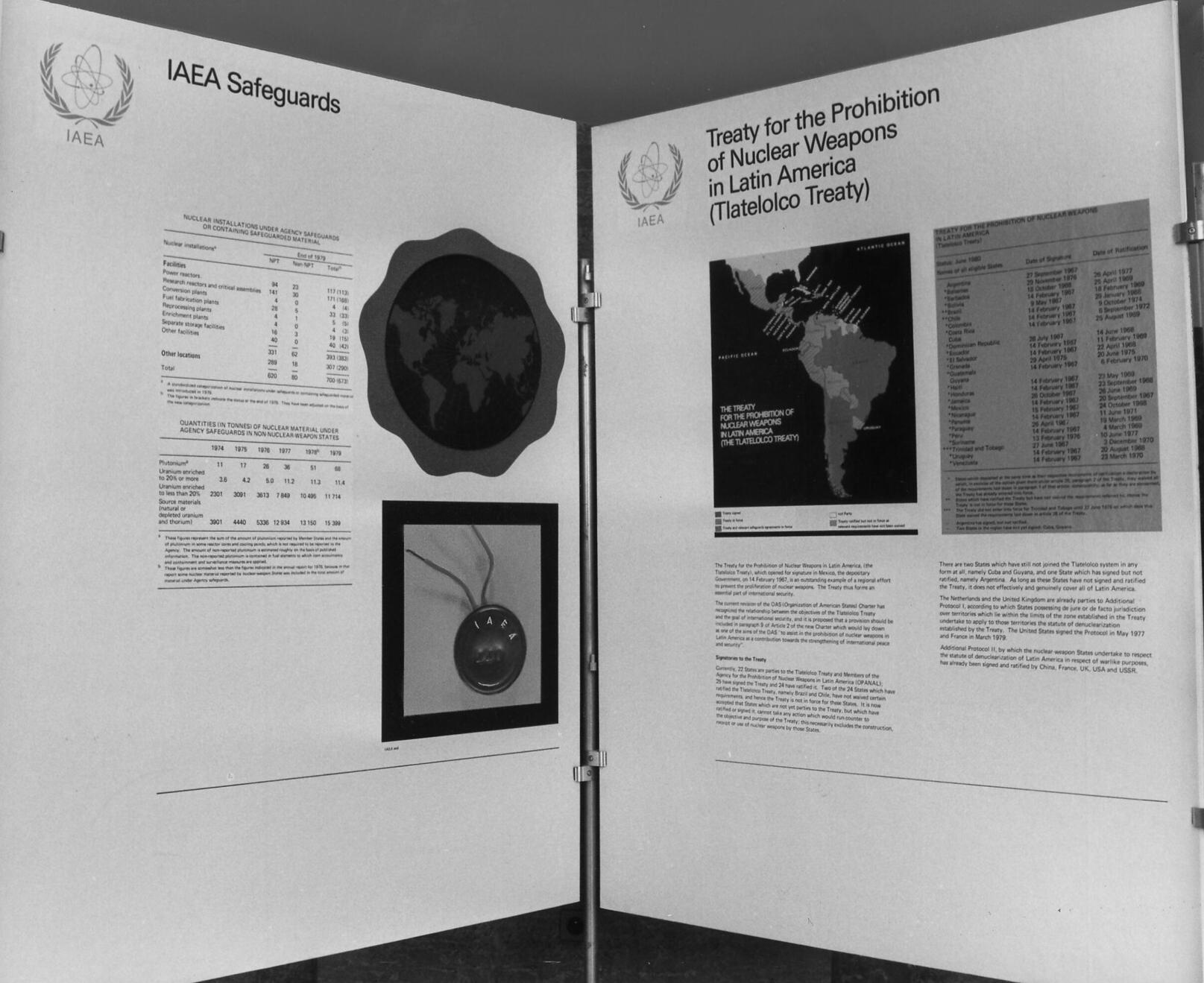
CSAs concluded by non-nuclear-weapon States in connection with the NPT also satisfy such States’ obligations to conclude CSAs under the NWFZ treaties to which they are party. States in Latin America and the Caribbean have concluded CSAs with the IAEA to meet their safeguards obligations under both the Treaty for the Prohibition of Nuclear Weapons in Latin America and the Caribbean and the NPT.