Floods, wildfires, heatwaves and storms are becoming more frequent and more intense as a result of climate change. Emergency systems around the world are being tested not only by the scale of these disasters, but by their speed and complexity. Natural disasters are no longer isolated incidents; they signal a broader shift in risk. As the nature of these emergencies changes, so must the systems designed to manage them.
For professionals working in nuclear emergency preparedness and response (EPR), non-nuclear events such as these offer crucial insights.
Lessons from wildfires, floods and earthquakes
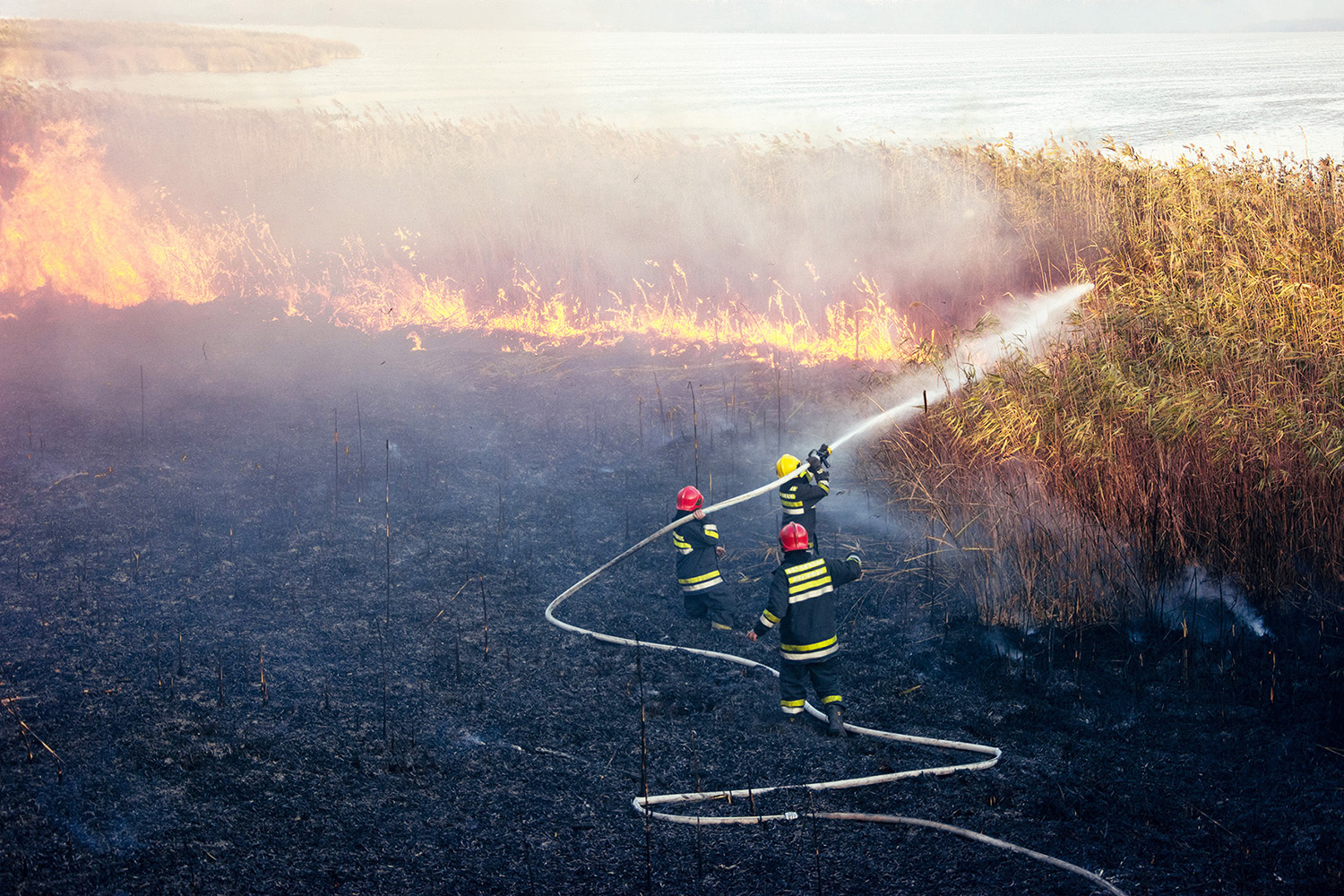
In 2023, wildfires torched 15 million hectares of land across Canada, breaking all previous records of destruction. Emergency responders faced the challenge of coordinating evacuations across vast territories while managing fast-changing air quality levels. The response relied on a mix of satellite-based smoke tracking, real time mobile sensors and dynamic health advisories tailored to vulnerable groups. The emphasis was not only on technical data, but on how it was communicated. Transparent updates and adaptable messaging helped sustain public trust amid rapidly changing conditions. For nuclear emergencies, here lies a powerful lesson in how real time, community-oriented communication can build public confidence.
A year earlier, Pakistan was engulfed by one of the most devastating floods in its history. With over 33 million people displaced, the crisis required a level of coordination that extended far beyond traditional emergency services. Ad hoc logistics hubs were established in mosques, schools and open fields. Relief teams partnered with informal local networks to identify isolated populations and distribute essential supplies. For the nuclear sector, where emergency planning often assumes the existence of functional infrastructure and centralized response, Pakistan’s experience underscores the importance of addressing redundancy, being flexible, and engaging local communities.
In Türkiye, the 2023 Kahramanmara? earthquakes exposed both the physical vulnerabilities and social dimensions of disaster management. According to Erkan Do?anay, a disaster and emergency management specialist at AFAD, Türkiye’s Disaster and Emergency Management Authority, the earthquakes revealed “not only the physical destruction but also the social and structural dimensions of disaster management processes.”
Community-based structures played a defining role in Türkiye’s response. Local governments and religious and civil society leaders were engaged to conduct needs assessments, relay information and dispel misinformation. “Providing the information the public needs in simple and understandable language, while also considering local context and cultural sensitivities, has emerged as one of the most effective aspects of the response phase,” Do?anay said.
Temporary coordination centres facilitated two-way information exchange and helped produce on-the-ground solutions. Do?anay said these approaches are directly translatable to nuclear and radiological scenarios, where local engagement and communication are equally critical.
Spain's 2024 flash floods offered a stark reminder of how narrow the timeline for action has become. Entire towns were inundated within 45 minutes of the first warning. In the absence of sufficient lead time, responders relied on local radio, emergency alerts and even livestreamed updates from affected citizens. Nuclear EPR frameworks have traditionally relied on hours or even days of preparation time, but in a world of cascading risks, alerts must reach populations within minutes and through multiple communication channels.
Rethinking risk in nuclear emergency planning
Experts are now calling for a fundamental rethink of how risk is conceptualized in nuclear emergency planning. Paolo Contri, Head of the IAEA’s External Events Safety Section, emphasized the need for a dynamic, multi-hazard perspective: “The most important lesson nuclear emergency planners can learn from large scale natural disasters is the need to adapt their risk assessment and emergency preparedness strategies to account for the increasing frequency, intensity and complexity of climate-related and compound hazards.” He added, “Emergency planning must shift from traditional, single-event design models to dynamic, time dependent and beyond design basis scenarios.”
To support this shift, the IAEA launched the External Events Notification System in 2022. The system gathers real time global hazard data — such as wind speeds or fire spread rates — to help evaluate broader risk configuration and identify near misses. Rather than waiting for disasters to occur, the aim is to anticipate them.
Across all these examples, a consistent theme emerges: trust is local. Whether in wildfire-prone forests, flooded plains or earthquake zones, response systems work best when they are embedded within the communities they serve. Localization does not mean improvisation; it means equipping local actors with the authority, knowledge and tools to act. In nuclear emergencies, where credibility and clarity are paramount, investing in local networks is essential.
In a rapidly changing world, the most effective emergency responses draw lessons from every kind of incident. The convergence of climate risk and emergency response offers an opportunity not just for technical upgrades, but for a cultural evolution in nuclear safety. By learning from the agility and experience of wildfire crews, flood responders and earthquake coordinators, the nuclear field can build a more responsive, inclusive and resilient safety culture — one that anticipates rather than reacts and collaborates rather than isolates.
_______________________________________________________