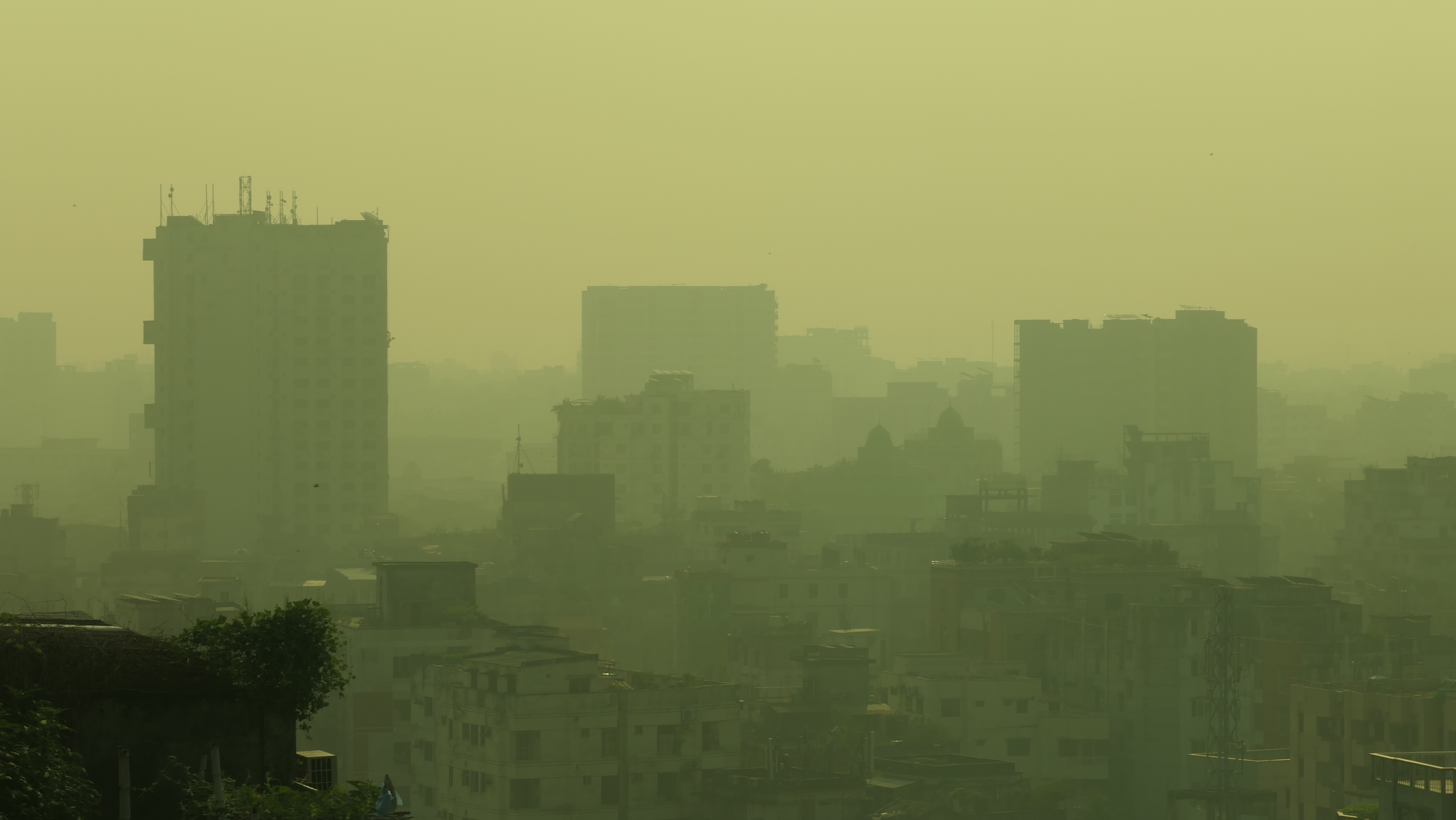
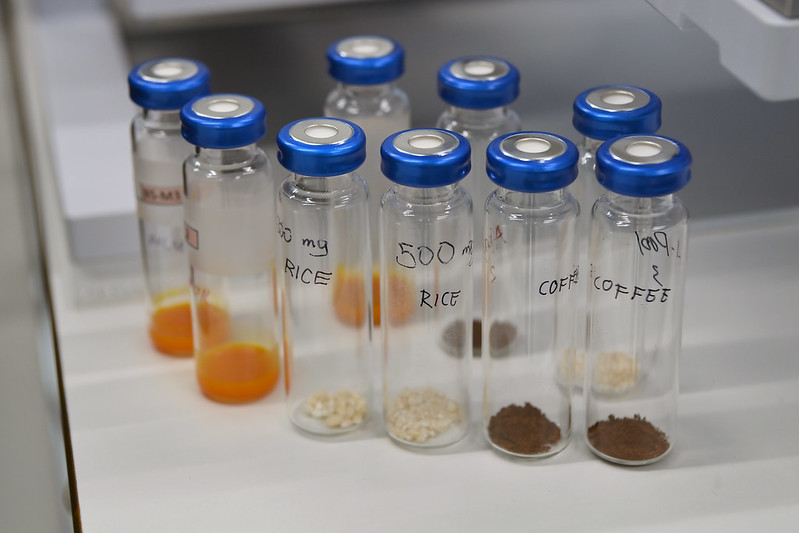
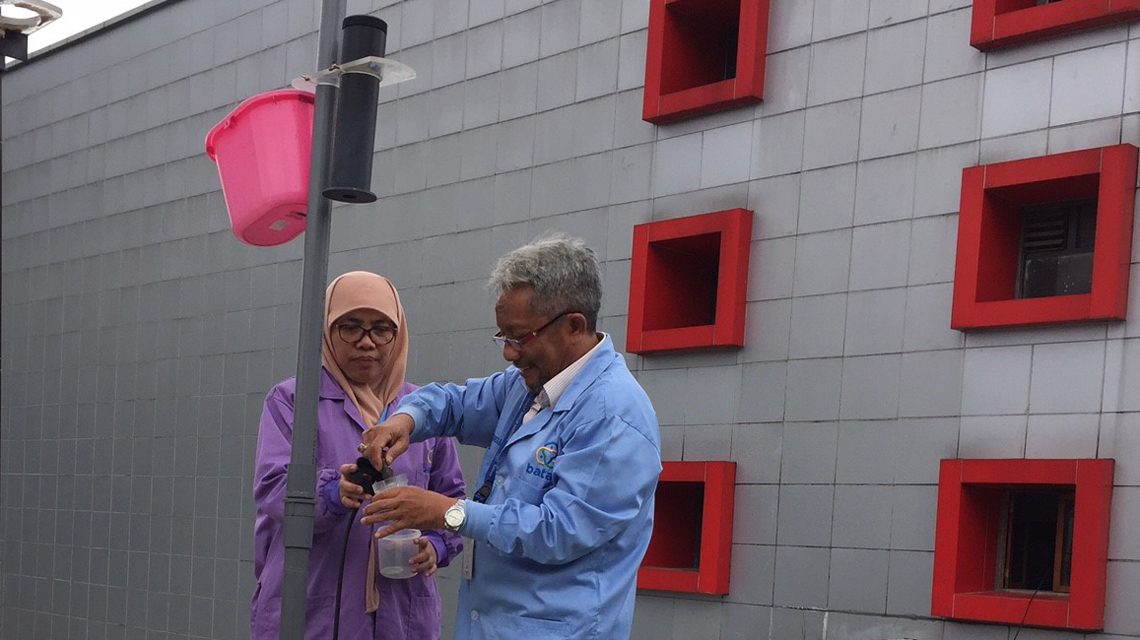
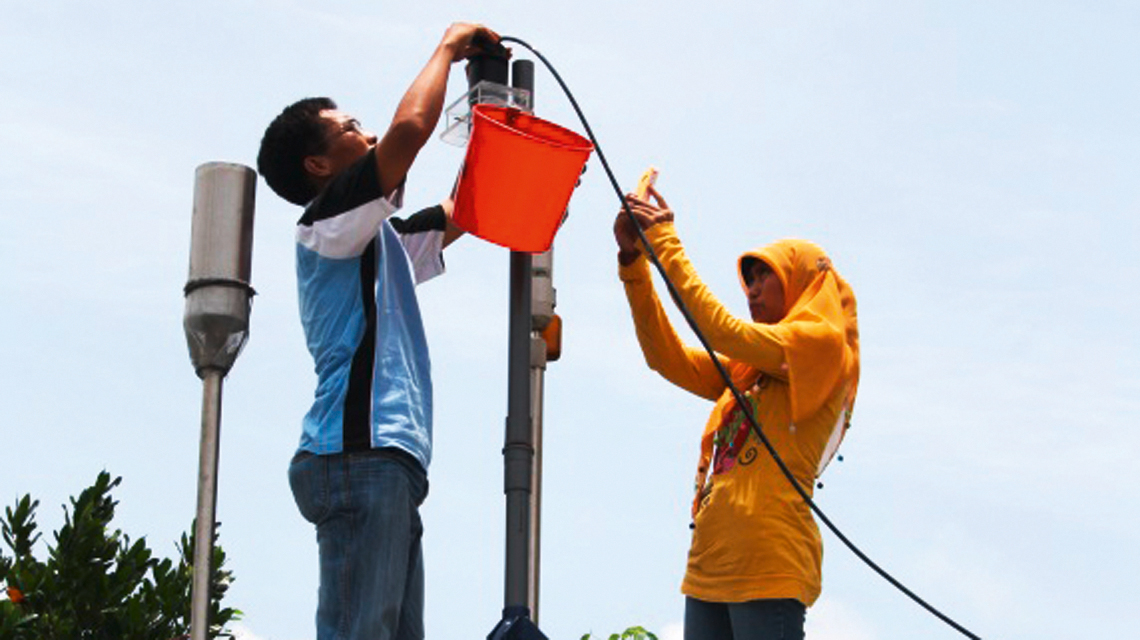
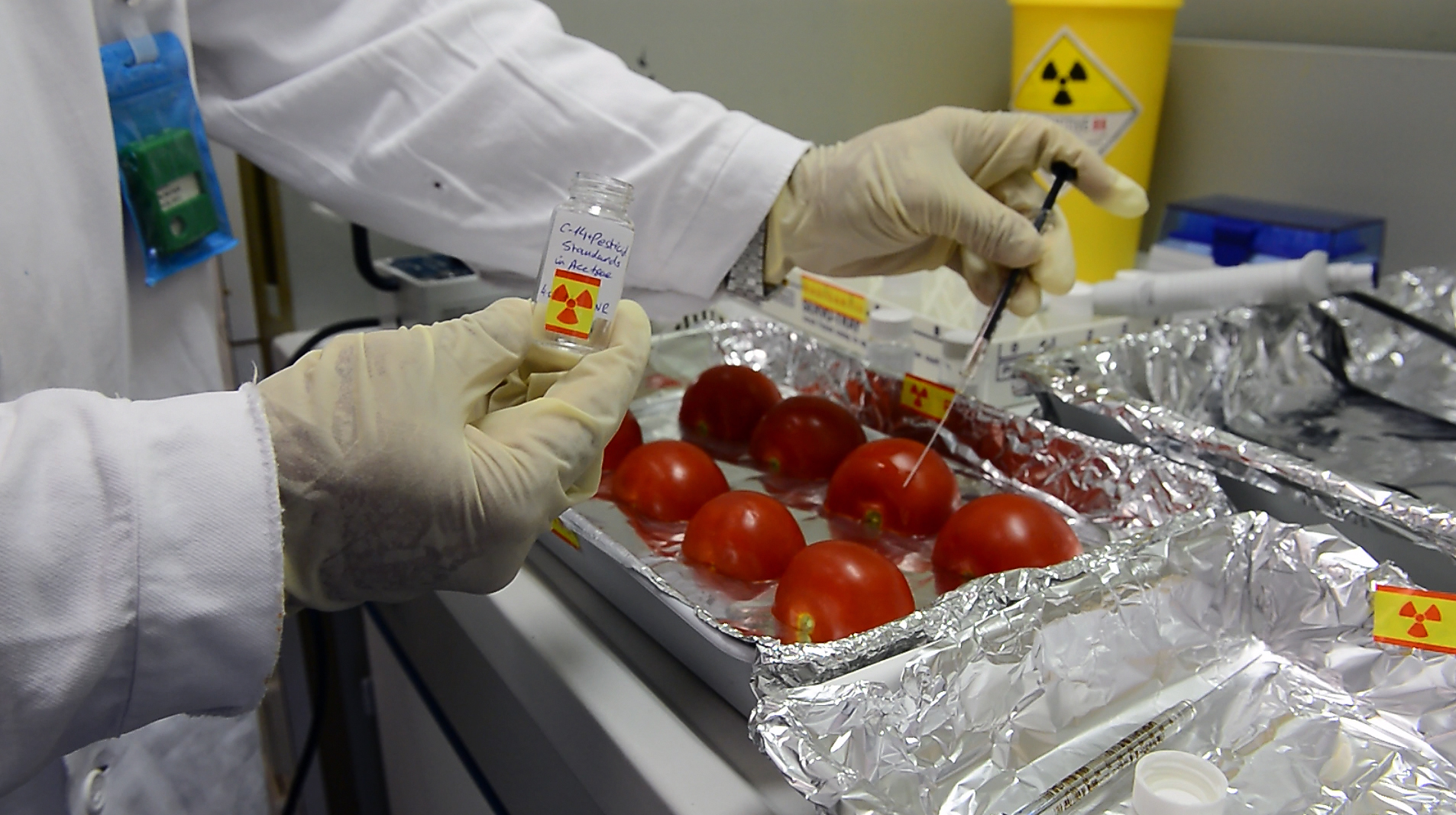
The IAEA’s technical cooperation programme helps countries around the world to improve food and air quality using radiation technology, X-ray fluorescence and isotopic techniques.
The IAEA assessed the impacts of these efforts in Asia and the Pacific through testimonies and data-driven analysis and compiled the findings into two publications launched during the 54th annual RCA National Representatives meeting during the IAEA’s 69th General Conference.
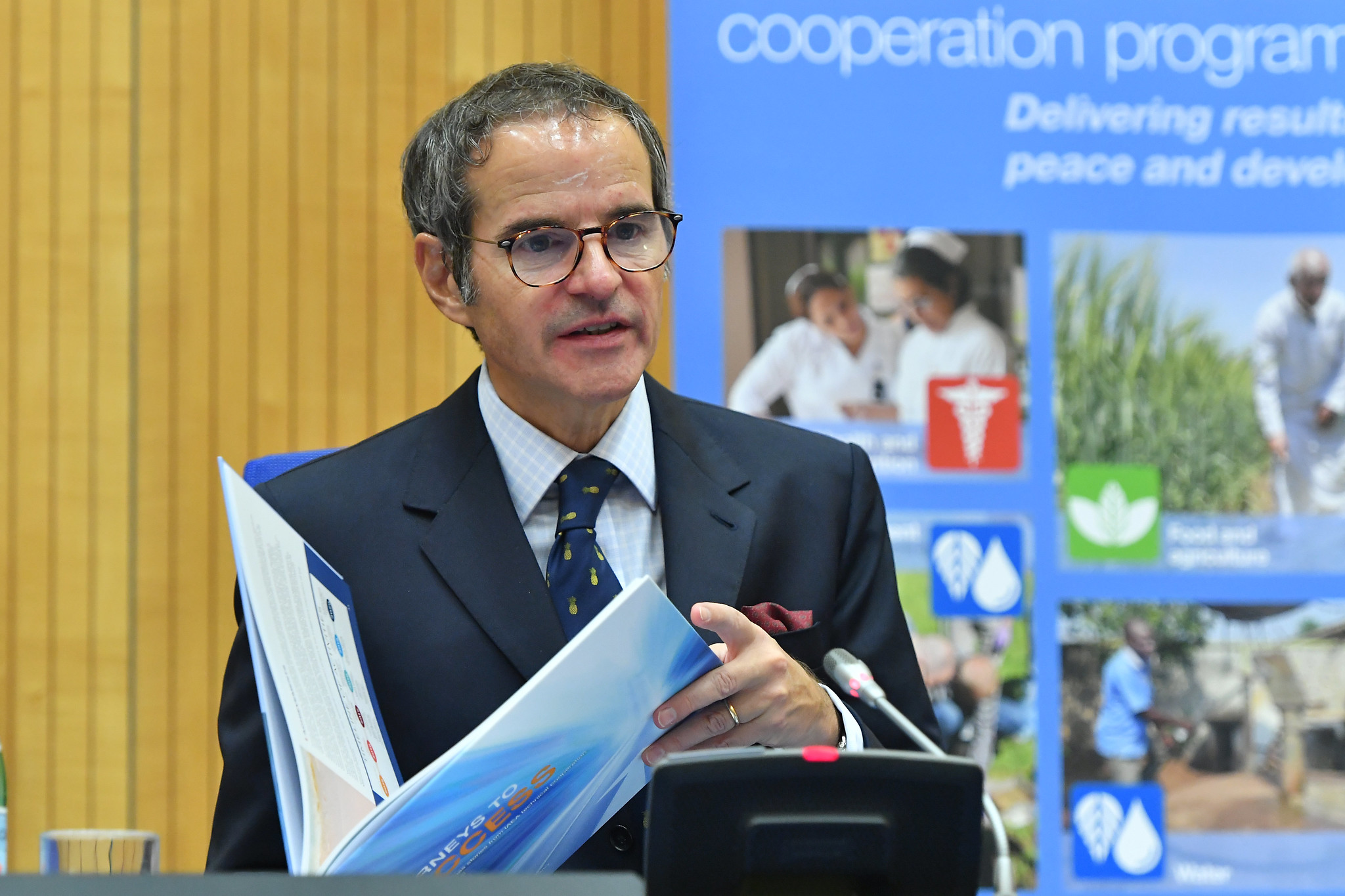
“These publications, along with previous case studies on plant mutation breeding, non-destructive testing and radiotherapy, illustrate the significant contribution of the RCA in areas important to the well-being of people and the environment,” said IAEA Director General Rafael Mariano Grossi, who officially launched the publications during the annual event.
The two socio-economic reports assess the impact of close to 70 technical cooperation projects on air quality management and the results of IAEA training and support in food safety and irradiation in a majority of RCA countries across a 24-year period.
“Through the RCA, we have witnessed impactful contributions in areas critical to human and environmental well-being, including healthcare, food and agriculture, water resource management, environmental protection and industrial development,” said Hua Liu, IAEA Deputy Director General and Head of the Department of Technical Cooperation. “These new publications are a testament to that and mark another milestone in the RCA’s history. They demonstrate how nuclear technology is improving lives and highlight the critical nexus of science, collaboration and sustainable development.”
The air quality and food safety impact assessments use data from a survey of experts, together with administrative and cost data provided by the IAEA, spanning 1999 to 2021 (for air quality) and 1999 to 2023 (for food safety). The new publications complement previously released assessments of IAEA and RCA activities in crop production, non-destructive testing and radiotherapy.