This agreement formalizes the long-standing relationship between the Canadian Irradiation Centre and the IAEA that began in the 1980s. Moving forward, the two organizations will work even more closely on IAEA flagship initiatives, such as Atoms4Food and NUTEC Plastics – that aim to boost global food security and help countries tackle plastic pollution, respectively.
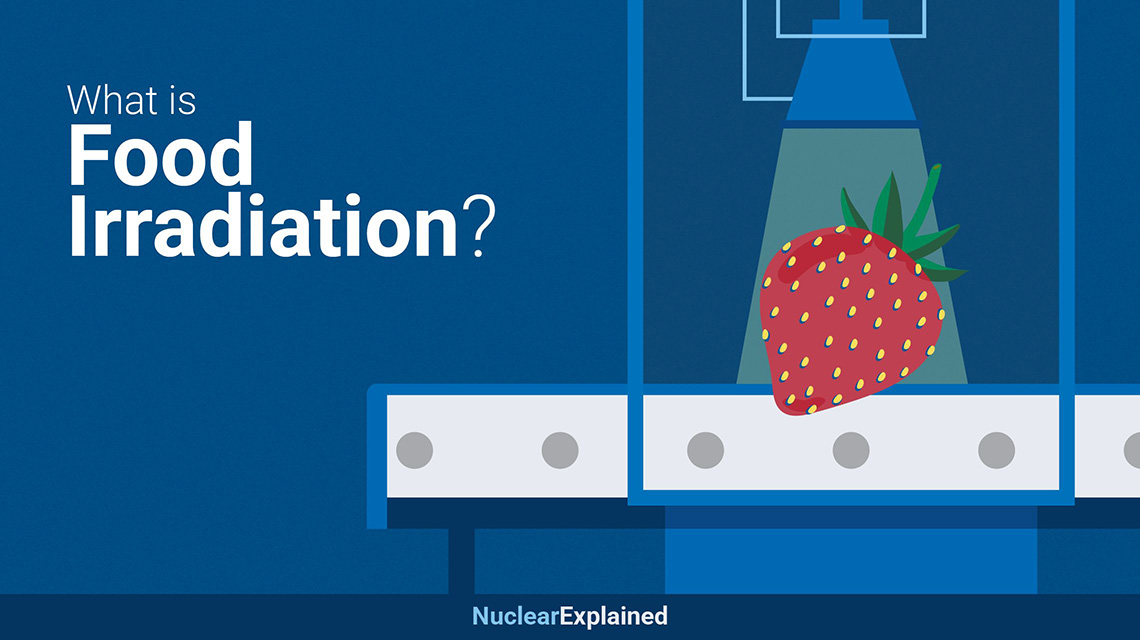
The Canadian Irradiation Centre focuses its research on two main areas: food safety and sustainable materials. In food safety, scientists study bacterial and viral responses to radiation, exploring radio resistance and sensitization. By combining ionization with complementary anti-microbial treatments, such as essential oils and other natural plant extracts the result can be greater than the sum of applying each treatment separately. By probing these synergistic effects, researchers are developing innovative approaches to ensuring safer food and improving public health.
In the area of sustainable materials, the Canadian Irradiation Centre works on converting industrial waste and renewable biomass into low-carbon, advanced bioactive biomaterials, nanomaterials and bioplastics. These materials can be used for biodegradable and functional packaging, contributing to environmental sustainability and the circular economy.
“We are proud to formalize our long-standing collaboration with the IAEA,” said Lacroix. “This partnership allows us to showcase our research and help with improving the world’s ability to harness the power of ionizing radiation for food safety, environmental sustainability and biopolymer development. We are addressing real-world challenges by helping the IAEA deliver its programmatic activities.”
As an IAEA Collaborating Centre, the Canadian Irradiation Centre will support the IAEA through fundamental research, innovation and technology transfer to countries and specialists worldwide. Its objectives include enhancing food safety and public health, promoting industrial applications of irradiation for biomass and waste valorisation, and advancing research, innovation and capacity building in radiation processing.
“This designation reflects the IAEA’s commitment to advancing sustainable technologies and strengthening global partnerships,” said Mokhtar. “The Canadian Irradiation Centre brings unique expertise that will help accelerate practical solutions in food safety and bio-based materials supporting efforts to reduce plastic pollution and foster a circular economy — solutions that will directly benefit countries worldwide.”