<dd id="rw0xn"></dd>

  • <label id="rw0xn"></label>

  • <sup id="rw0xn"><strike id="rw0xn"></strike></sup><label id="rw0xn"></label>
      <th id="rw0xn"></th>
    1. <var id="rw0xn"></var>
        1. <table id="rw0xn"></table>

          <sub id="rw0xn"><meter id="rw0xn"></meter></sub>

          International Collaboration Key to Protecting Banana Crops from Fusarium Wilt

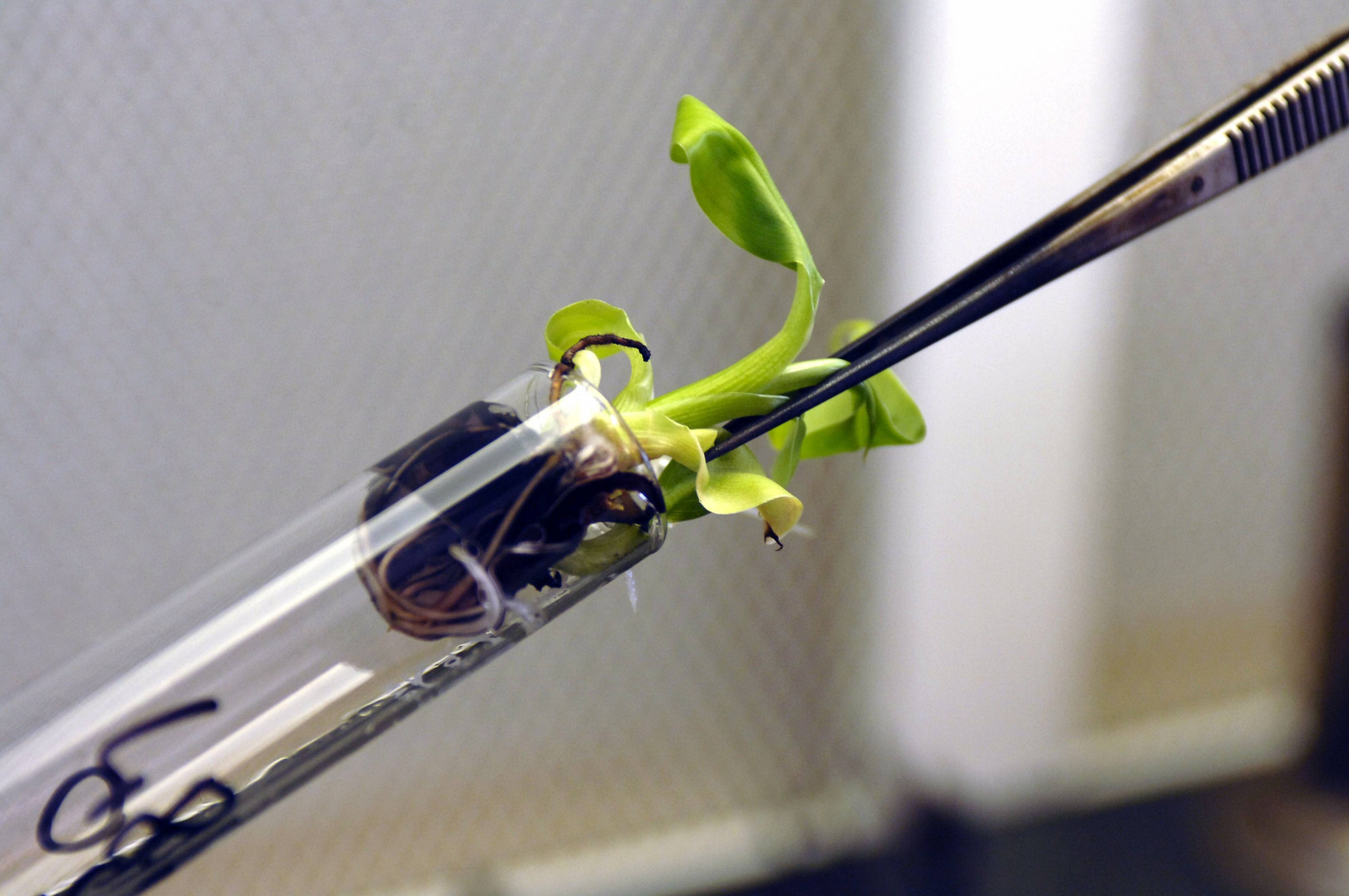
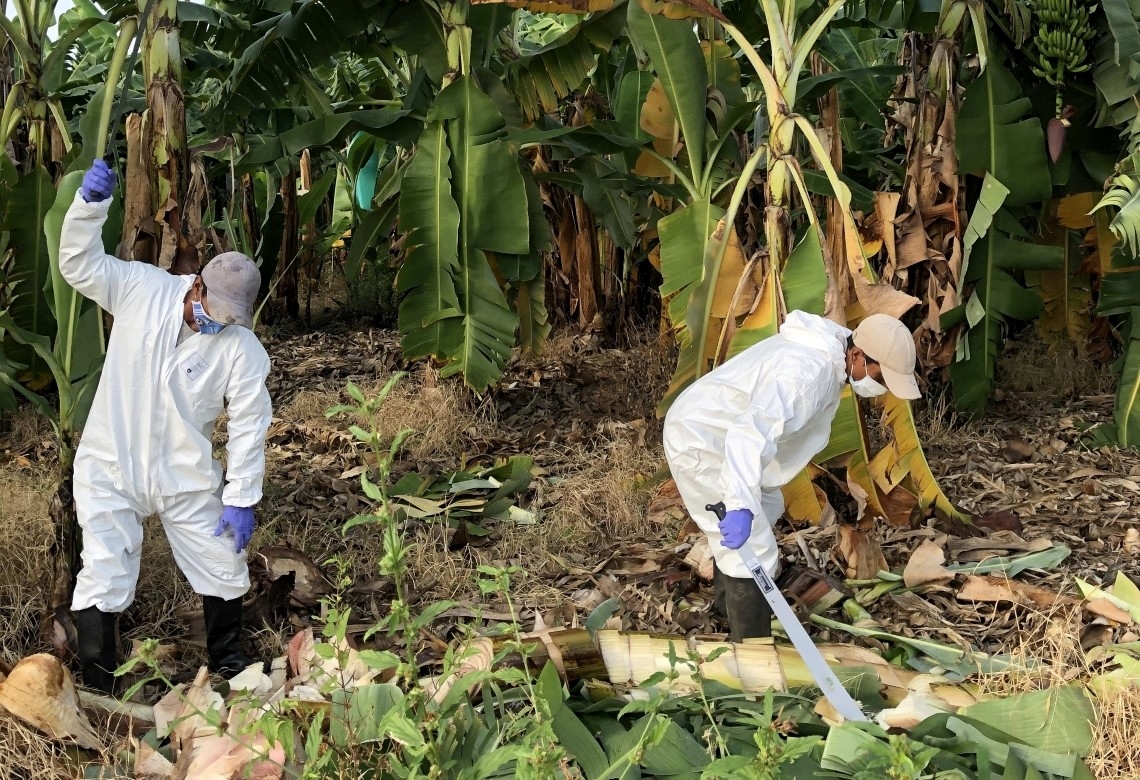
          IAEA-sponsored fellowships train scientists working in mutation breeding to identify and promote banana plant varieties resistant to Fusarium wilt. (Photo: D. Calma/IAEA)

          The IAEA is helping countries manage Fusarium wilt disease in bananas using nuclear techniques to protect crops worldwide.

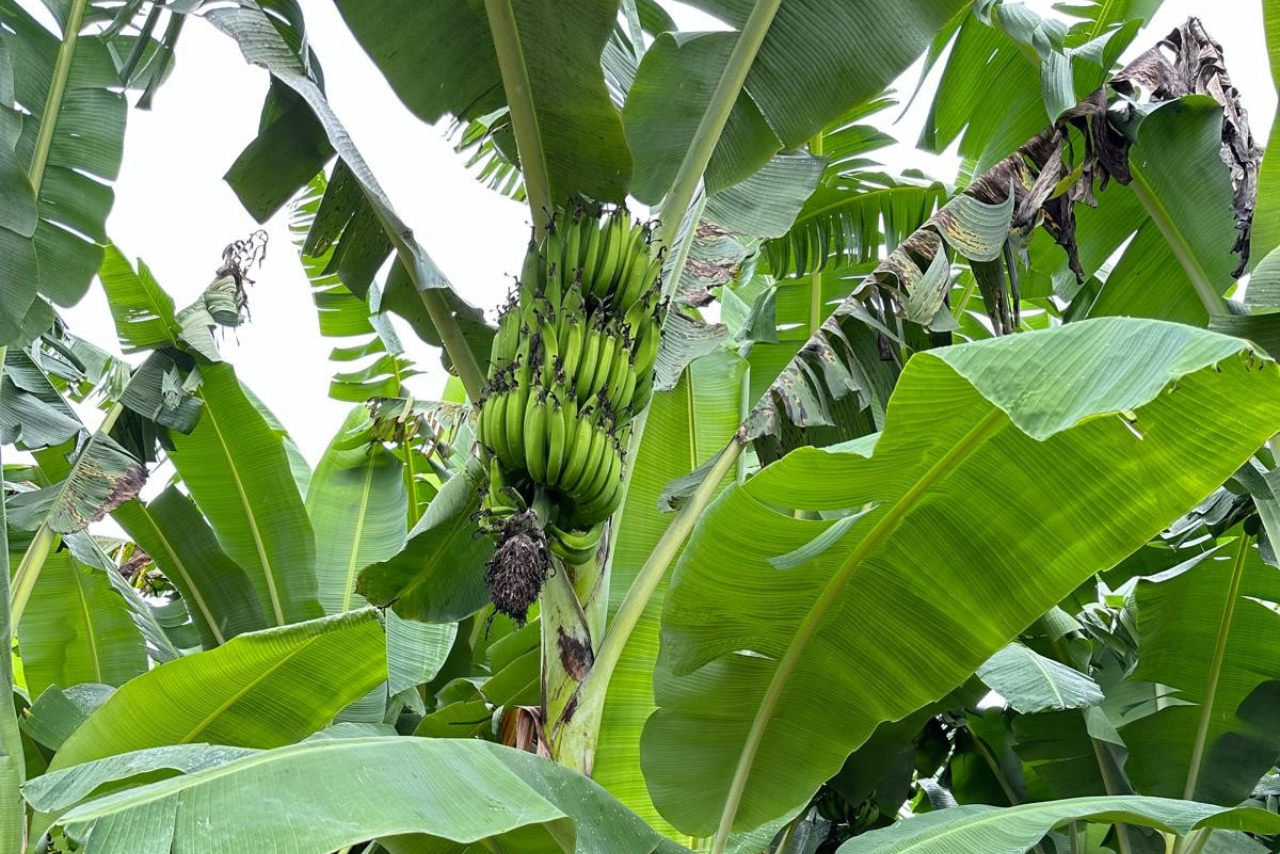
          The IAEA has supported countries for more than a decade in applying nuclear techniques and other technologies to manage Fusarium wilt (Foc TR4). The disease is caused by a deadly fungus that lives in soil and is almost impossible to eradicate once present. Fusarium wilt first appeared in Asia, then Africa, and recently reached Latin America, demonstrating the global nature of the threat. 

          “This pathogen poses a major threat to the economic livelihoods of banana farmers worldwide,” said Hua Liu, IAEA Deputy Director General and Head of the Technical Cooperation Department. “The IAEA supports research and training opportunities that bring experts together to encourage best practice exchange,” he added.

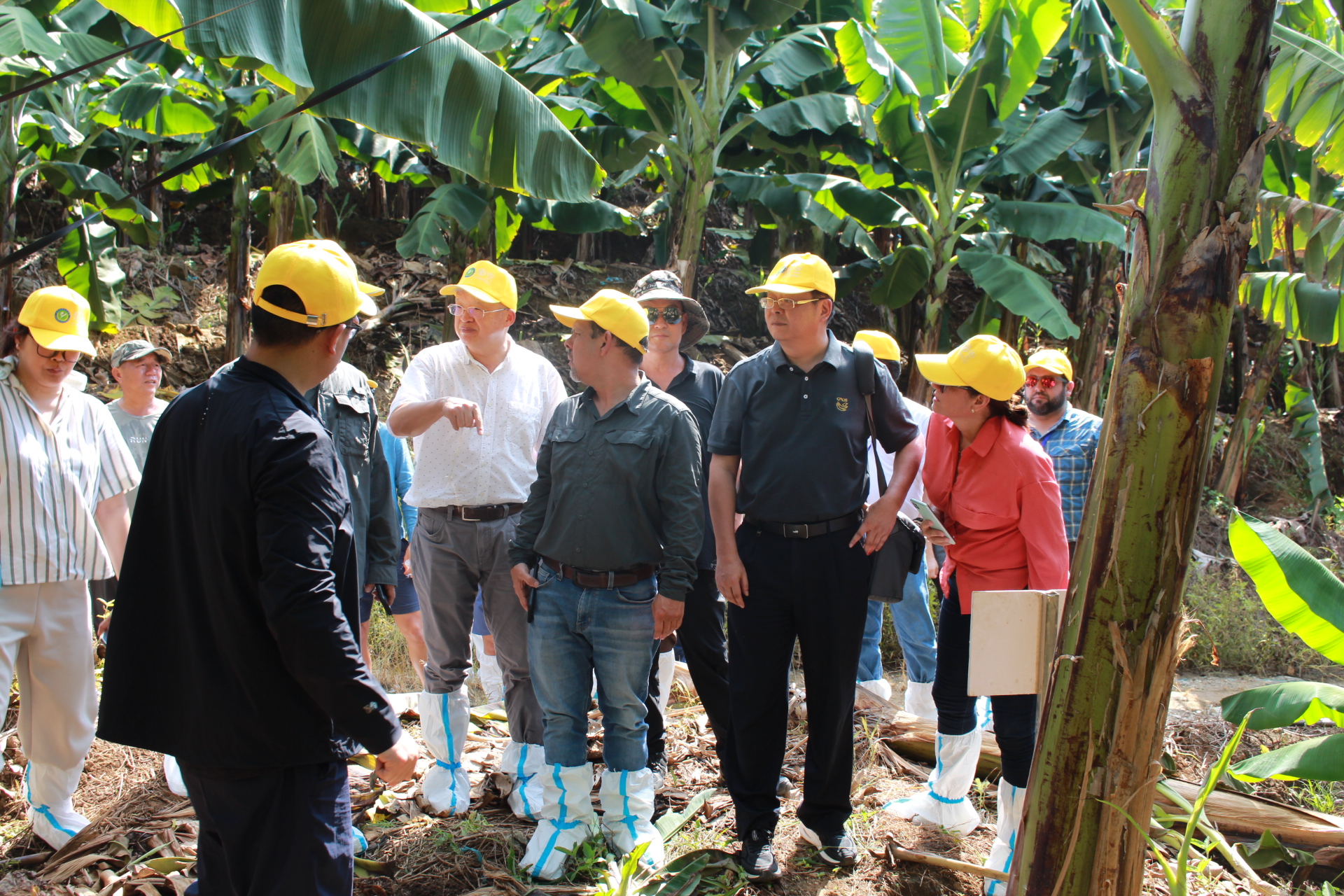
          In August, the IAEA organized an interregional meeting and symposium on Fusarium wilt in China. The event gathered researchers, plant protection organizations and stakeholders from around the world to share the latest research findings and best practices. Experts presented their achievements, exchanged experiences and visited a laboratory and a local banana plantation to learn about China’s efforts to address the disease. 

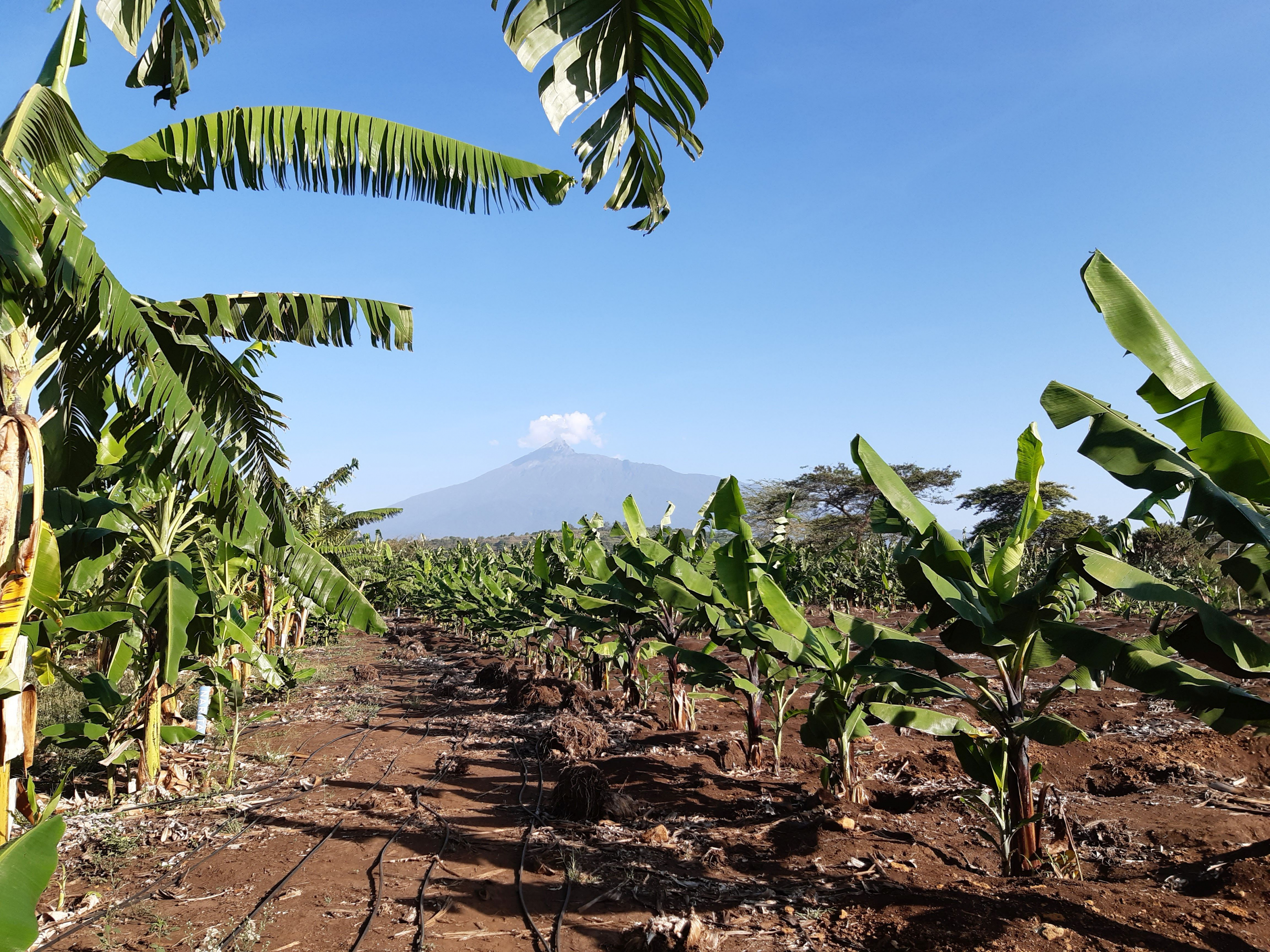
          A field visit to a local banana plantation during the IAEA’s international Fusarium wilt symposium in China in August 2025. (Photo: Yunnan Academy of Agricultural Sciences)


          Roanne Gardoce, a researcher from the University of the Philippines Los Ba?os, highlighted the value of sharing insights and strategies at the event. “While a combination of control methods centred on disease resistance managed to save our local banana industry from decimation, it is critical to learn from other banana-producing countries and experts on how they go about managing the disease and ensuring the viability of their banana production systems,” she said. “The symposium provided an ideal avenue to exchange information, network and benchmark the global status of related research and management,” she added.

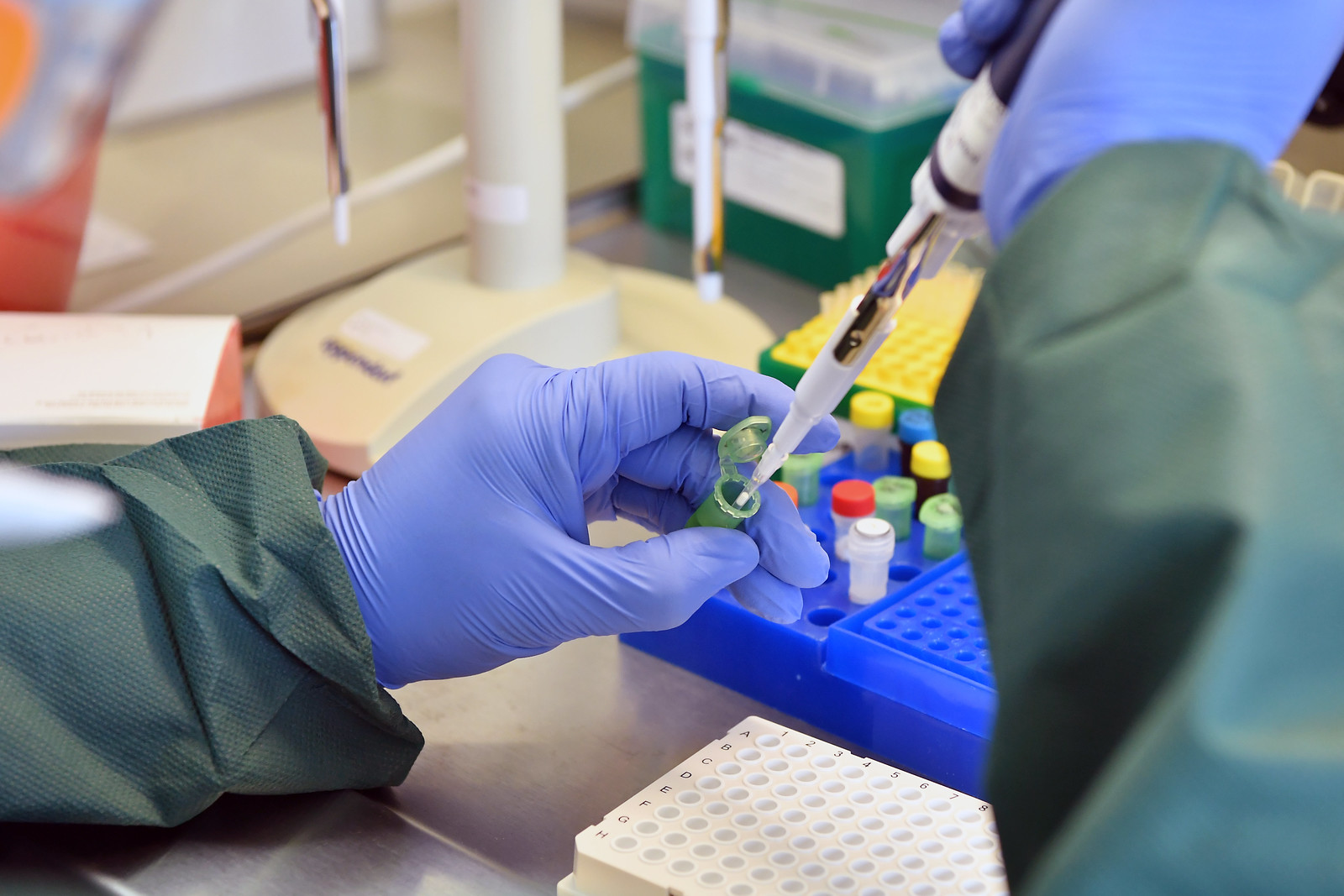
          Real time RT-PCR is an accurate method to detect diseases. The Joint FAO/IAEA Centre of Nuclear Techniques in Food and Agriculture trains member countries to detect pathogens such as Foc TR4. (Photo: D. Calma/IAEA)


          How Nuclear Technology can Help

          Plant health approaches implemented at the IAEA through the Joint FAO/IAEA Centre of Nuclear Techniques in Food and Agriculture offer integrated strategies that combine both nuclear and non-nuclear methods. 

          The initial approach is to prevent outbreaks by early detection of infections using  molecular methods such as Polymerase Chain Reaction (PCR) or Loop mediated isothermal amplification (LAMP). “If infected bananas are identified sufficiently early, they can be destroyed and containment measures can be taken before neighbouring plantations are infected,” said Juan Jose Oviedo from the National Phytosanitary Service of Costa Rica. 

          Nuclear technology can also develop disease resistant varieties by inducing mutations in plant material through irradiation. In Brazil and China, research is underway through an IAEA Coordinated Research Project to better understand the resistance mechanisms that occur at the cellular and physiological level in banana species. These findings are being transferred to other breeding programmes in Latin America, Asia and Africa through a technical cooperation project designed to develop commercially viable resistant cultivars. 

          “The IAEA, through its FAO/IAEA Centre of Nuclear Techniques in Food and Agriculture, collaborates closely with Member States’ research institutions to develop and advance science-based solutions under coordinated research projects. Their effective transfer and application is ensured through technical cooperation projects to address global agricultural challenges,” said Dongxin Feng, Director of the Joint FAO/IAEA Centre.

          Looking Forward

          The international community is making significant progress in the fight against Fusarium wilt through global knowledge exchange, breeding programmes, region-specific management strategies, integrated approaches and diagnostic and biosecurity advances. To sustain this progress, the IAEA encourages countries to scale up effective plant health approaches and adapt them to local conditions. Strong regional collaboration is essential to ensure that no country faces this transboundary challenge alone.

          “The rapid spread of this pathogen across multiple continents has placed the global banana industry at a crossroads, requiring innovative scientific approaches and coordinated international action,” said Najat Mokhtar, IAEA Deputy Director General and Head of the Nuclear Sciences and Applications Department. “International coordinated research and development and technology transfer can help banana farmers remain resilient against the spread of Foc TR4, protecting the livelihoods and food security of millions of people who rely on bananas,” she added.

          <dd id="rw0xn"></dd>

        2. <label id="rw0xn"></label>

        3. <sup id="rw0xn"><strike id="rw0xn"></strike></sup><label id="rw0xn"></label>
            <th id="rw0xn"></th>
          1. <var id="rw0xn"></var>
              1. <table id="rw0xn"></table>

                <sub id="rw0xn"><meter id="rw0xn"></meter></sub>
                97碰成人国产免费公开视频