<dd id="rw0xn"></dd>

  • <label id="rw0xn"></label>

  • <sup id="rw0xn"><strike id="rw0xn"></strike></sup><label id="rw0xn"></label>
      <th id="rw0xn"></th>
    1. <var id="rw0xn"></var>
        1. <table id="rw0xn"></table>

          <sub id="rw0xn"><meter id="rw0xn"></meter></sub>

          COMPASS in 2025: Cameroon and Ghana Strengthen their Safeguards Regulatory Frameworks

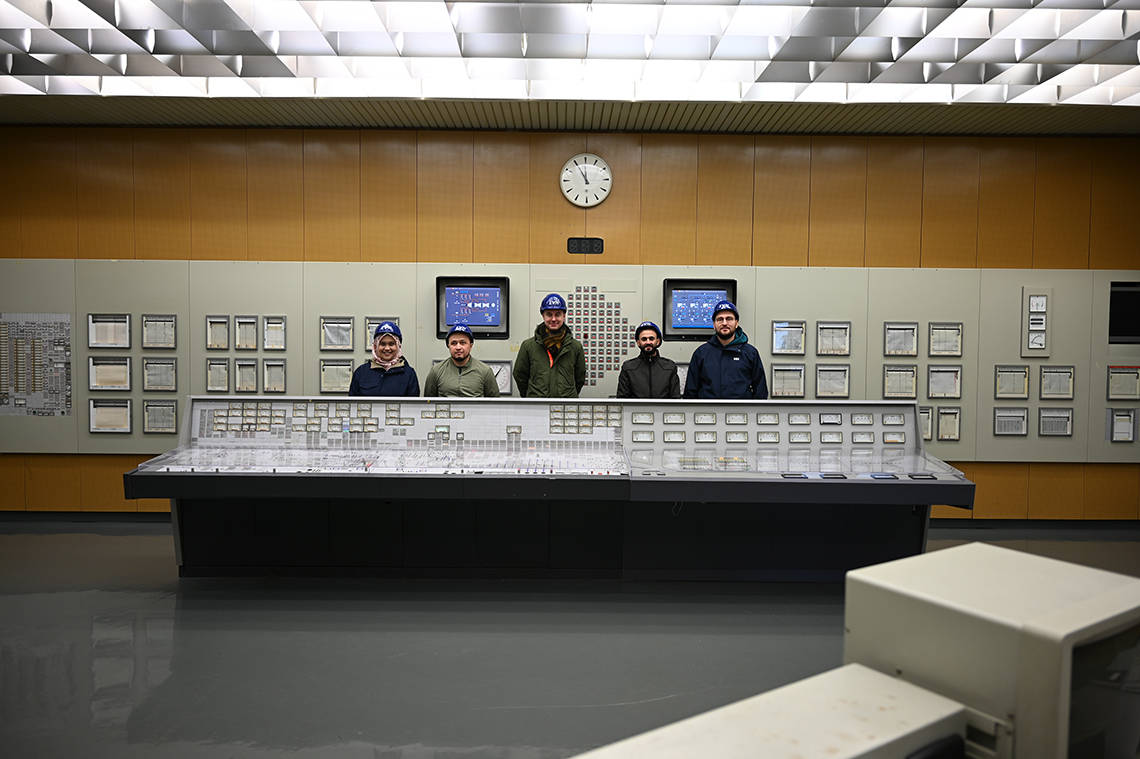
          In 2025, Cameroon and Ghana took steps to strengthen their national legal and regulatory frameworks for nuclear material as part of their broader international nuclear non-proliferation undertakings. Such undertakings provide the IAEA with the right and responsibility to verify the peaceful use of nuclear material and technology – an activity commonly known as ‘safeguards’. The two countries are members of the current cohort of COMPASS – an IAEA initiative to build national capacity to help countries meet their safeguards obligations.  

          Launched in 2020 by IAEA Director General Rafael Mariano Grossi, COMPASS supports countries in strengthening the effectiveness of their nuclear material accounting systems and of their responsible authorities – referred to as State systems of accounting for and control of nuclear material (SSACs) and State or regional Authorities responsible for safeguards implementation (SRAs), respectively. 

          Country-specific support

          In addition to legal and regulatory frameworks, COMPASS allows the IAEA to provide country-specific safeguards-related support in nuclear material accounting, control and reporting; export and import controls; SSAC information management systems; national inspections and facilitating IAEA verification activities; and resources, recruitment and training. 

          “We consider COMPASS a unique opportunity to improve Ghana’s legal and regulatory framework in the safeguards domain,” said Ambassador Matilda Aku Alomatu Osei-Agyeman, Permanent Representative of Ghana to the IAEA. “COMPASS allows us to identify best practices and concrete areas of improvement to ensure that our SSAC is fully aligned with the requirements of our comprehensive safeguards agreement and additional protocol with the Agency.”

          During the National Training Course on Safeguards Implementation held in Yaoundé, Cameroon, in February 2025, IAEA experts worked alongside lawyers from the Cameroonian Radiological Safety and Nuclear Protection Authority (ASRAN) to lay the foundations for a new safeguards-related decree. Since March 2025, the French Member State Support Programme has been working with ASRAN to fine tune this draft decree to meet Cameroon’s national needs. The decree looks to ensure that Cameroon’s national legal framework is fully aligned with its safeguards obligations.

          The course also served as an opportunity to support Cameroon in developing a comprehensive national framework for safeguards implementation while raising awareness among stakeholders about their roles and responsibilities in implementing safeguards. Such stakeholders include not only the SRA, but also government ministries, customs officials and staff at locations where nuclear material is customarily used. 

          “In just one week, the content has been rich”, said Fabien Herve Wembe Saha, Assistant Research Officer at the General Directorate of Customs, Cameroon. “Customs officials are eager to develop the capacity to implement the elements relevant to our work. This reinforces the safeguards culture in Cameroon and clarifies the role of each stakeholder.”

          Stronger legal and regulatory frameworks

          Also in February, Ghana participated in the Joint Review of Nuclear Law and Safeguards-Related Regulations, held at IAEA headquarters in Vienna, Austria. With support from the United States Department of Energy, National Nuclear Security Administration’s (DOE/NNSA’s) International Nuclear Safeguards Engagement Program, IAEA experts met with the Ghanian Nuclear Regulatory Authority (NRA), the Ghanian Ministry of Environment, Science, Technology and Innovation, and the Office of the Attorney General of Ghana, and undertook a detailed review of three documents: the NRA Act, draft safeguards regulations and draft safeguards guidance. Together, these documents shape the country’s national legal and regulatory framework for safeguards implementation. 

          “This workshop came at a timely moment for us”, said Emmanuel Ampomah-Amoako, Director of Nuclear Installations, NRA. “We are finalizing three legal documents, and the insights from IAEA experts helped us understand how to best implement the amendments in a way that aligns with our international safeguards obligations. Thanks to this joint effort, we now have the clarity and confidence needed to move forward with the approval process.”

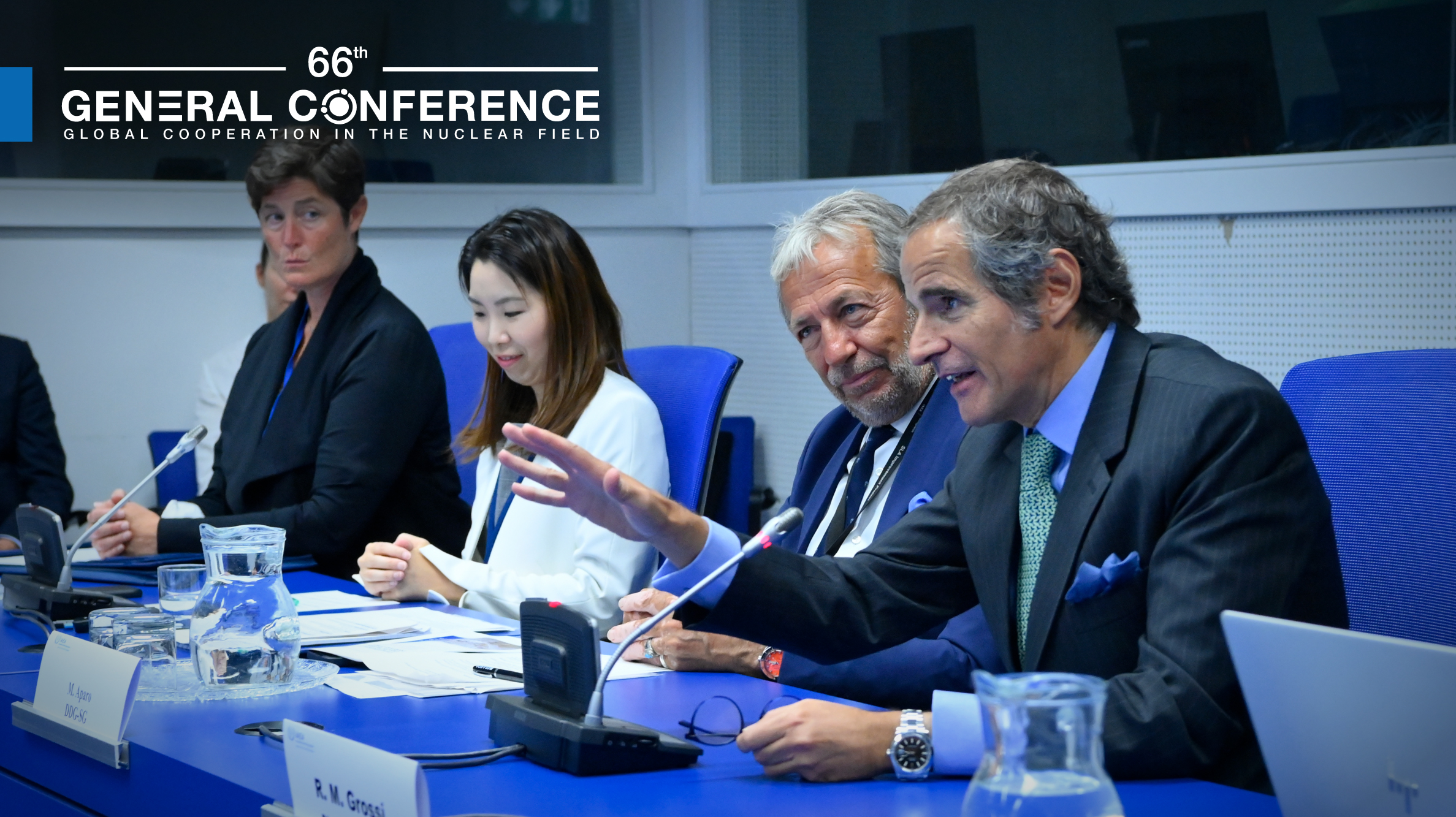
          These efforts were further highlighted at a side event during the 69th IAEA General Conference in September. Stakeholders from Cameroon, Ghana and the United States of America provided testimonials on the value of peer-to-peer support in strengthening recipient States’ legal and regulatory frameworks. During the side event, Director General Grossi emphasized the importance of continuing this initiative to provide COMPASS States with tailored support designed to help them meet their safeguards obligations. 

          “The performance of a country’s SSAC and SRA are key factors in facilitating the work of IAEA safeguards inspectors”, said Igor Tsvetkov, an operations Section Head within the IAEA Department of Safeguards. “By applying the tools and advice that the IAEA and partner States provide recipients through COMPASS, we can ensure effective and efficient safeguards implementation together.”

          After a successful pilot phase, the IAEA is currently finalizing the First cycle of COMPASS (2024 – 2026) with four countries: Bangladesh, Bolivia (Plurinational State of), Cameroon and Ghana. Find out more about COMPASS here.

          <dd id="rw0xn"></dd>

        2. <label id="rw0xn"></label>

        3. <sup id="rw0xn"><strike id="rw0xn"></strike></sup><label id="rw0xn"></label>
            <th id="rw0xn"></th>
          1. <var id="rw0xn"></var>
              1. <table id="rw0xn"></table>

                <sub id="rw0xn"><meter id="rw0xn"></meter></sub>
                97碰成人国产免费公开视频