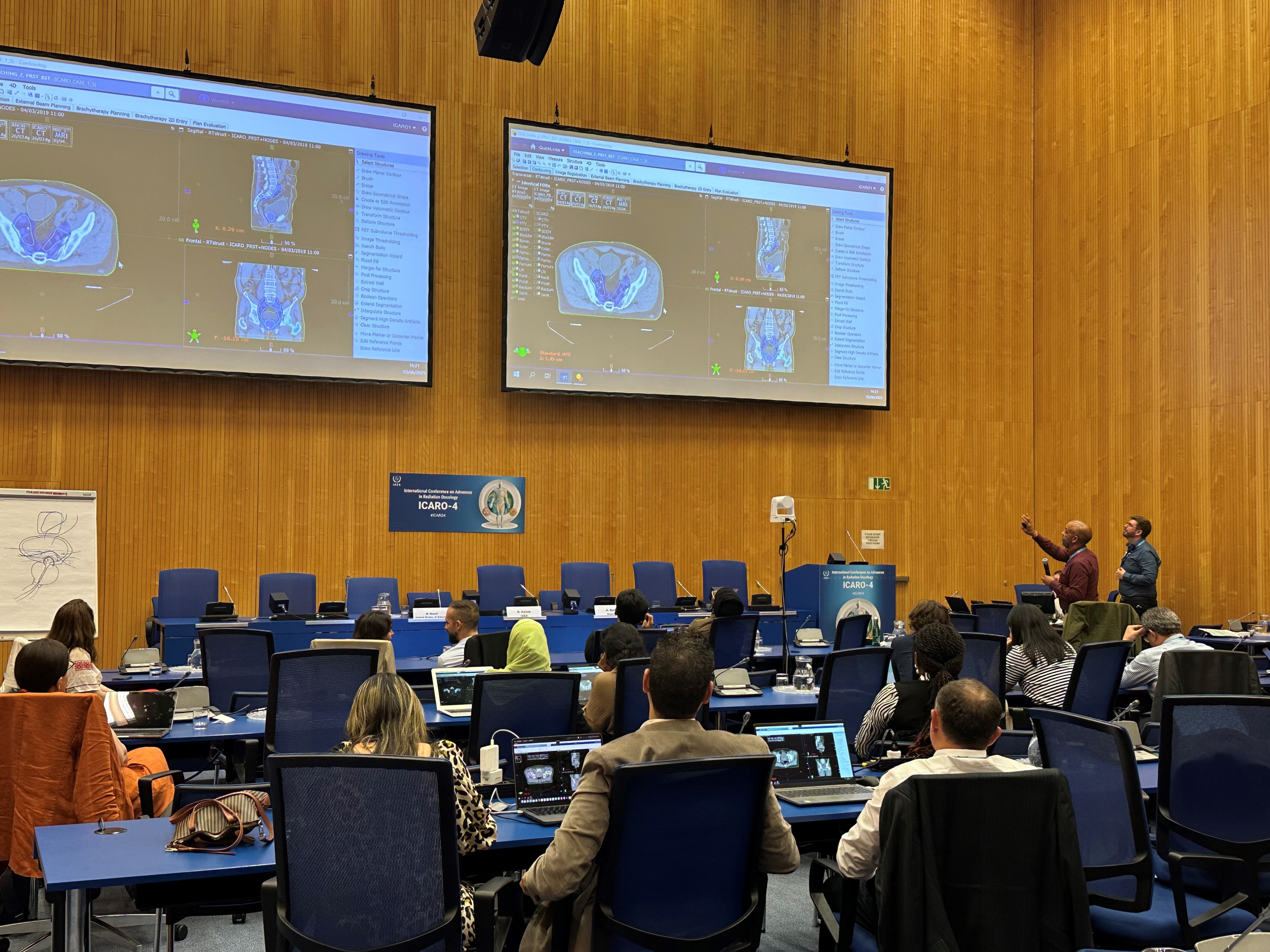
Research involving 23 countries has highlighted the safety and benefit of using artificial intelligence for a key and often time-consuming step of the cancer treatment process: contouring organs at risk. By adding unique data from low- and middle-income countries to a growing body of scientific evidence, an IAEA coordinated research project (the ELAISA Study) shows how this technology can enhance radiotherapy access around the world.
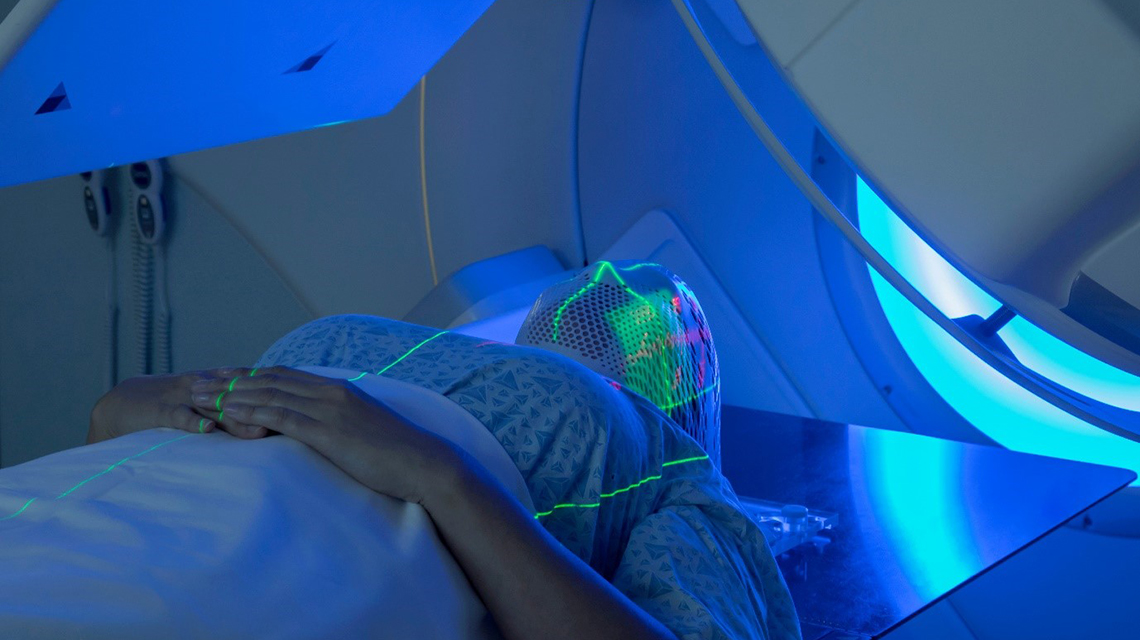
This contouring of tumours and nearby healthy tissues (organs-at-risk) is essential for the safe, effective and optimal use of radiotherapy to treat cancer. However, variations in how different observers may contour (inter-observer variability) can impact both the accuracy and consistency of radiotherapy planning. Previous studies have demonstrated that instructor-led guidance workshops can reduce this inter-observer variation.
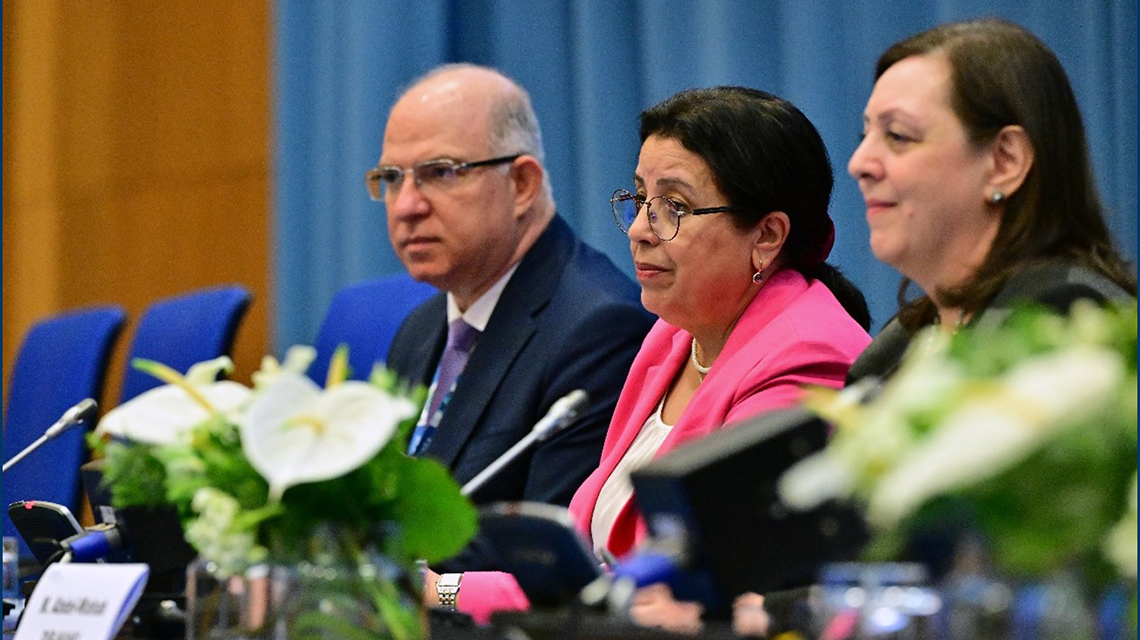
Despite nearly half of all cancer patients requiring radiotherapy at some point, this treatment type is underused across the globe – in part because there are not enough clinically trained professionals. The IAEA-led Lancet Oncology Commission on Radiotherapy and Theranostics shows that over 84 000 radiation oncologists are needed by 2050 just to meet the global cancer demand of 35.2 million new cases. “This figure reflects a more than 60 per cent increase in the number of radiation oncologists in 2022,” said May Abdel-Wahab, Director of the IAEA Division of Human Health and the commission’s co-lead. “As cancer cases and treatment complexity increase, radiation oncologists will have to spend even more of their already limited capacity on contouring cancerous tissues and the surrounding healthy ones.”