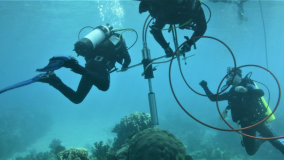
Marine environment experts in Colombia, Cuba and Mexico have begun submitting marine sampling data to the United Nations’ SDG 14.3.1 Data Portal, a monitoring tool developed by UNESCO’s Intergovernmental Oceanographic Commission for the sharing of ocean acidification data.
At the intersection of science, technology and sustainable development, the IAEA supports countries in their efforts to achieve the Sustainable Development Goals (SDGs).
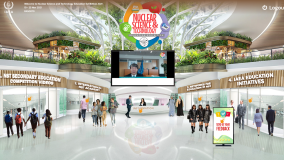
Budding future scientists from across Asia and the Pacific, alongside the teachers paving their way, are showing plenty of initiative as they demonstrate how nuclear science and technology can contribute to a better future. Students and teachers from the region have submitted their ideas to the 2021 Virtual Education Exhibition on Nuclear Science and Technology (NST), presented with the support of the IAEA.
More coordination, collaboration and communication are needed towards scientific advancements in research, early detection and monitoring of zoonotic diseases – this is the key conclusion of this year’s Scientific Forum on how to respond to and prevent the next epidemic or pandemic with the help of nuclear science.
Much progress in nuclear and many groundbreaking discoveries are thanks to the contribution of women scientists — yet to this day, women remain underrepresented in many areas of nuclear science, including nuclear security. A new initiative from the IAEA hopes to change that.