<dd id="rw0xn"></dd>

  • <label id="rw0xn"></label>

  • <sup id="rw0xn"><strike id="rw0xn"></strike></sup><label id="rw0xn"></label>
      <th id="rw0xn"></th>
    1. <var id="rw0xn"></var>
        1. <table id="rw0xn"></table>

          <sub id="rw0xn"><meter id="rw0xn"></meter></sub>

          IAEA Conference on Nuclear and Radiological Emergencies Opens in Riyadh

          The International Conference on Nuclear and Radiological Emergencies is happening this week in Riyadh, the Kingdom of Saudi Arabia to foster an exchange of information and enhance global awareness of crucial emergency preparedness and response.

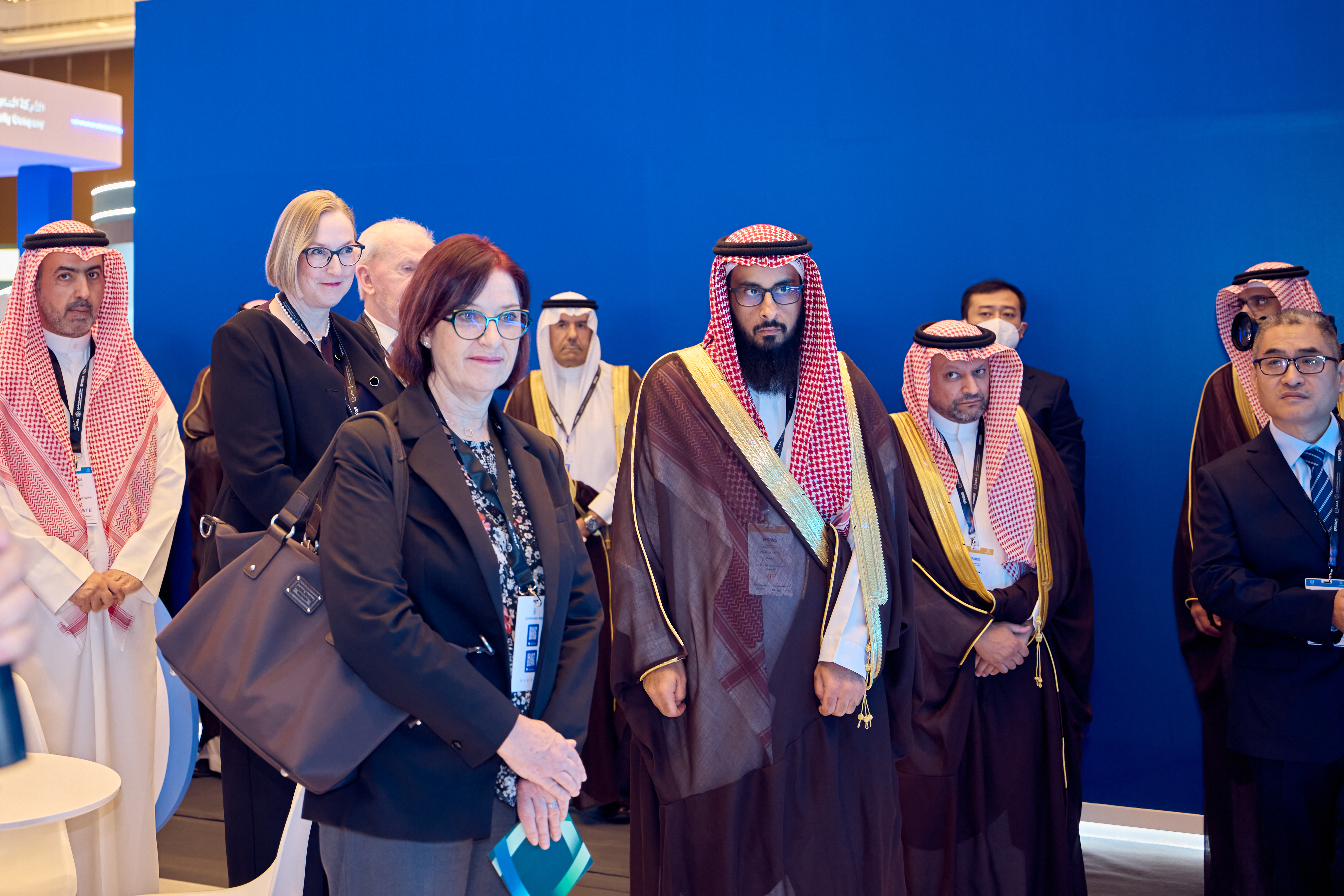
          IAEA Deputy Director General and Head of the Department of Nuclear Safety and Security Karine Herviou at the opening ceremony of the International Conference on Nuclear and Radiological Emergencies, in Riyadh, Saudi Arabia. (Photo: Saudi Arabia’s Nuclear and Radiological Regulatory Commission)

          The International Conference on Nuclear and Radiological Emergencies (EPR2025) kicked off today in Riyadh, the Kingdom of Saudi Arabia. Organized by the IAEA in cooperation with Saudi Arabia’s Nuclear and Radiological Regulatory Commission (NRRC), the conference will identify priorities for strengthening emergency preparedness and response (EPR) under the theme “Building the Future in an Evolving World.”  

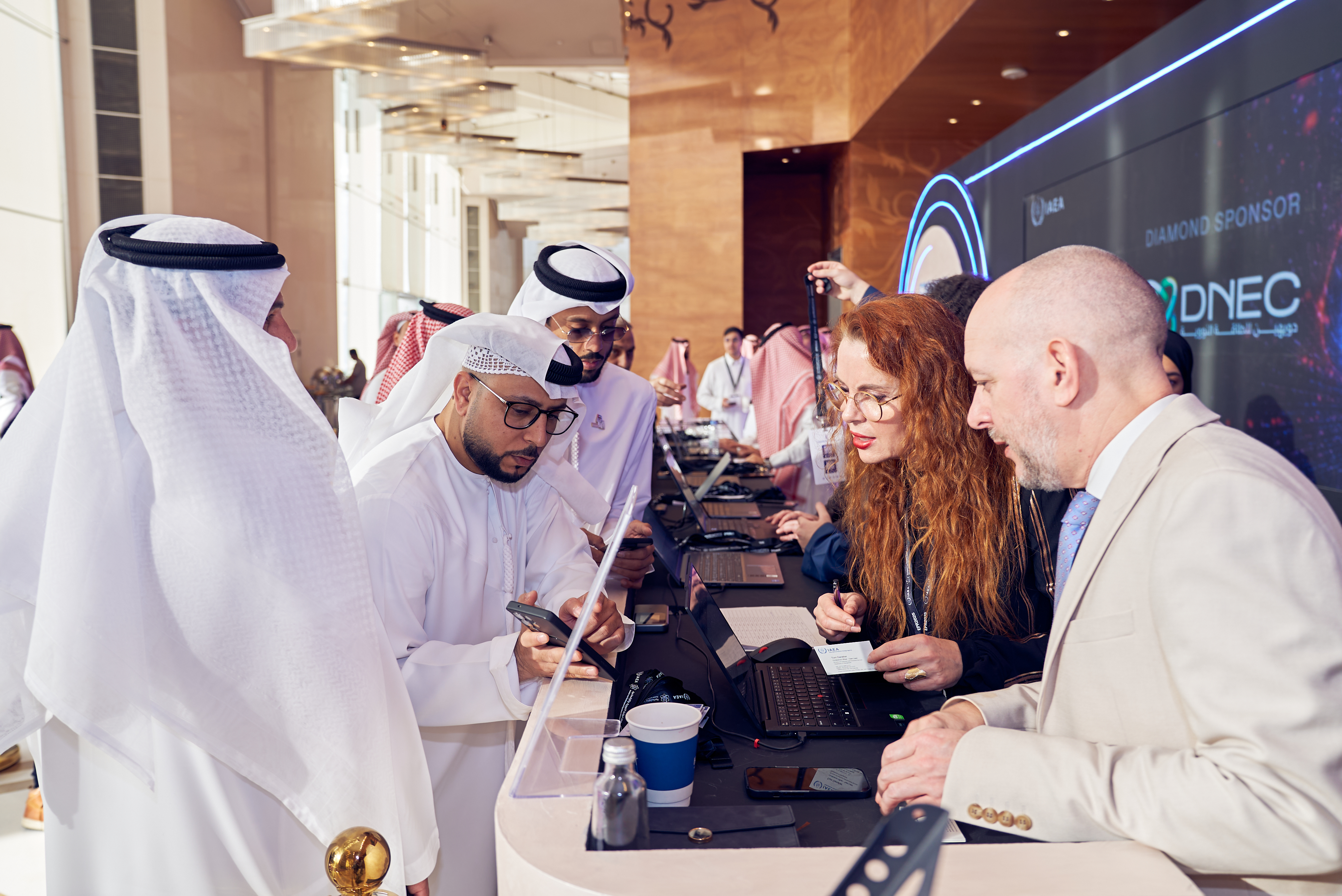
          The four-day event is gathering more than 450 participants from over 100 countries and four international organizations. Experts, emergency responders, regulators and technical specialists will share experiences, present new research and discuss practical measures to strengthen global nuclear and radiological EPR. 


          Leadership in a Changing Risk Landscape

          In a video message opening the conference, Rafael Mariano Grossi, Director General of the International Atomic Energy Agency said, “First, nuclear energy depends on trust, and this trust is earned through robust, science-based emergency preparedness and response. Public confidence hinges on people knowing that authorities are prepared and seeing them act effectively when it matters most. Nuclear safety, security and emergency preparedness must come first, and must be credible and transparent.” 

          In her opening address, IAEA Deputy Director General and Head of the Department of Nuclear Safety and Security Karine Herviou said, “Preparedness is not about responding to yesterday’s risks, but about building robust and adaptive systems that continue to function when several of the conditions we take for granted fail at once.” 

           “This conference stands as a testament to the Kingdom’s unwavering commitment to advancing the peaceful applications of nuclear science and technology, while upholding the highest standards of safety, security, and preparedness,” said Dr. Khalid Aleissa, Chief Executive Officer of the Nuclear and Radiological Regulatory Commission (NRRC) and President of the Conference. “Through the integration of emerging technologies, the exchange of practical experience, and deeper collaboration with the IAEA and our international partners, we collectively enhance global resilience in nuclear and radiological emergency preparedness and response.” 


          Advancing Technical Excellence and Cooperation


          Participants at the International Conference on Nuclear and Radiological Emergencies in Riyadh, Saudi Arabia. (Photo: Saudi Arabia’s Nuclear and Radiological Regulatory Commission).

          The conference features an extensive technical programme covering the full spectrum of nuclear emergency preparedness and response. Plenary sessions and keynote lectures address coordination and cooperation in EPR, public communication, innovative technologies, capacity building, protection strategies, the interface between nuclear safety and security — and much more. 

          Roundtables tackle issues at the forefront of international collaboration, including artificial intelligence applications for emergency management, effective decision-making under uncertainty, how emergency exercises can strengthen preparedness, and emergency arrangements for floating and mobile reactors.  

          Conference Vice President and global expert in radiation protection, Abel González, in his keynote address emphasized the core issues guiding the week’s discussions: “As we look to the future, three challenges demand our attention: improving how countries implement the international conventions on early notification and assistance, addressing long-standing misunderstandings about low-dose radiation risks and how they are managed, and ensuring our emergency preparedness frameworks fully account for the realities of military conflict.” 

          Recognizing Women Leadership and Engaging the Next Generation

          The conference also emphasizes cultivating leadership across the EPR community. A Women in Nuclear side event will highlight the expertise and achievements of women driving progress in emergency preparedness and response, while dedicated activities for young professionals and students will provide a platform for early-career specialists to engage directly with international experts. 

          An infographic design competition for young people that showcases creative approaches to communicating complex risk information to the public is also part of the conference programme. Winners will be announced at this occasion.  

          Strengthening Global Capabilities

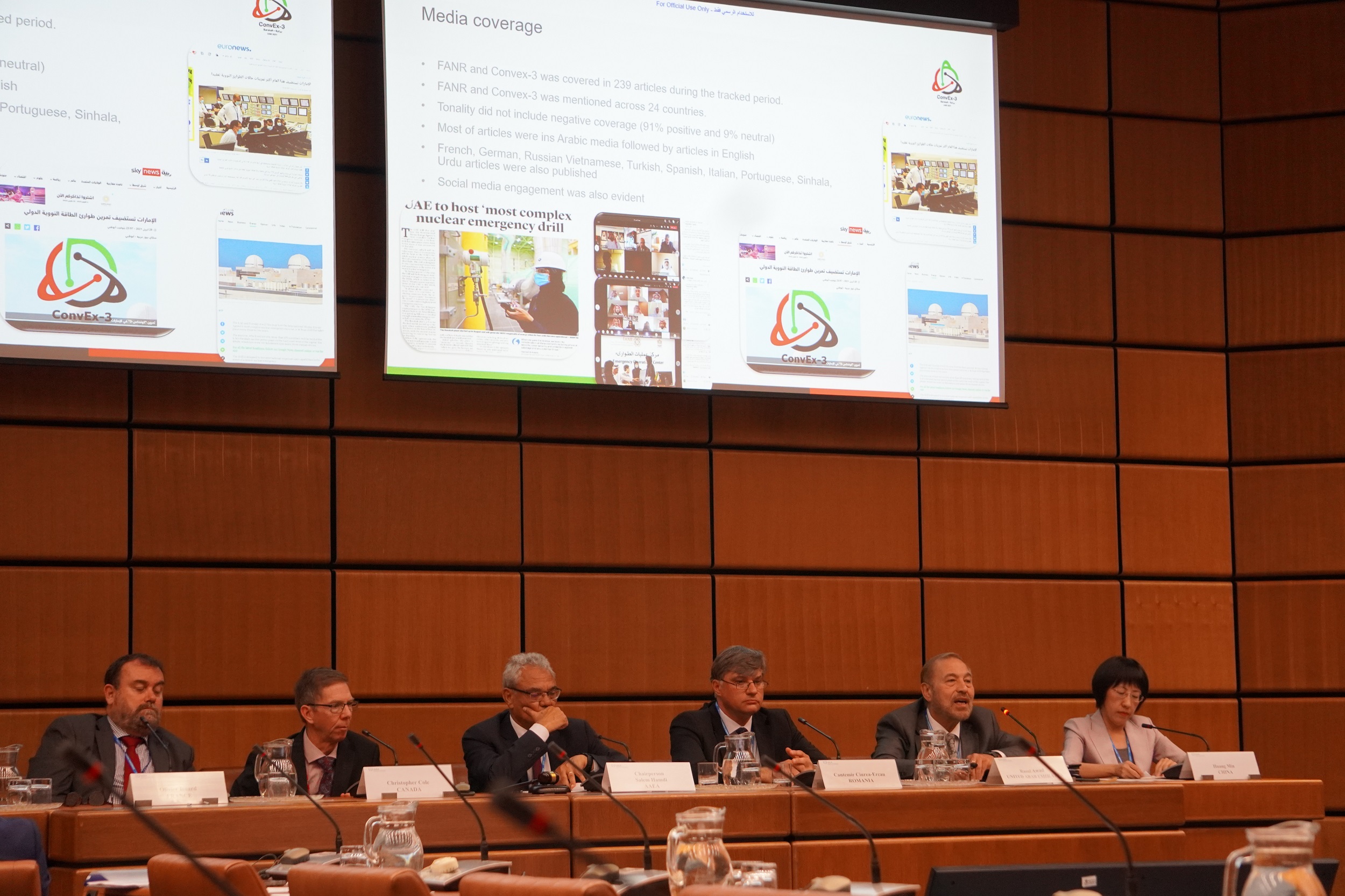
          (Photo: Saudi Arabia’s Nuclear and Radiological Regulatory Commission).

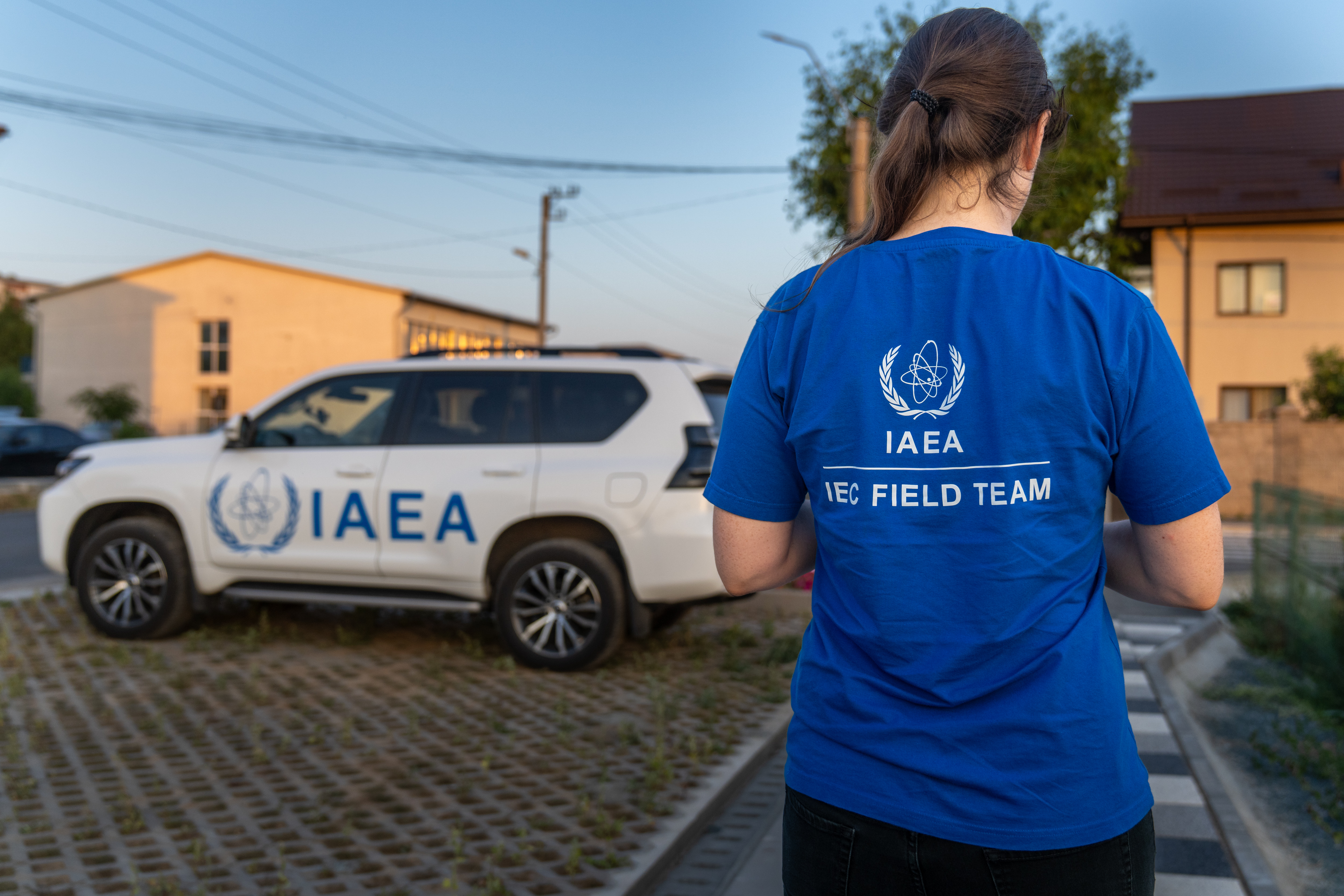
          The Incident and Emergency Centre (IEC) is the IAEA’s global hub for preparedness and response coordination. The IEC operates 24 hours a day, receiving and verifying information, issuing alerts and facilitating international assistance under the Convention on Early Notification of a Nuclear Accident and the Convention on Assistance in the Case of a Nuclear Accident or Radiological Emergency. 

          Through mechanisms such as the Response and Assistance Network (RANET), the Unified System for Information Exchange in Incidents and Emergencies (USIE) and the International Radiation Monitoring Information System (IRMIS), the IAEA helps countries access timely, verified information and specialized assistance. 

          The IAEA also provides extensive capacity-building opportunities, including training, peer review missions and virtual learning tools. Recent developments, such as virtual reality simulation modules for first responders, enhance national training programmes and enable countries to test and refine their response arrangements in realistic environments. 

          <dd id="rw0xn"></dd>

        2. <label id="rw0xn"></label>

        3. <sup id="rw0xn"><strike id="rw0xn"></strike></sup><label id="rw0xn"></label>
            <th id="rw0xn"></th>
          1. <var id="rw0xn"></var>
              1. <table id="rw0xn"></table>

                <sub id="rw0xn"><meter id="rw0xn"></meter></sub>
                97碰成人国产免费公开视频