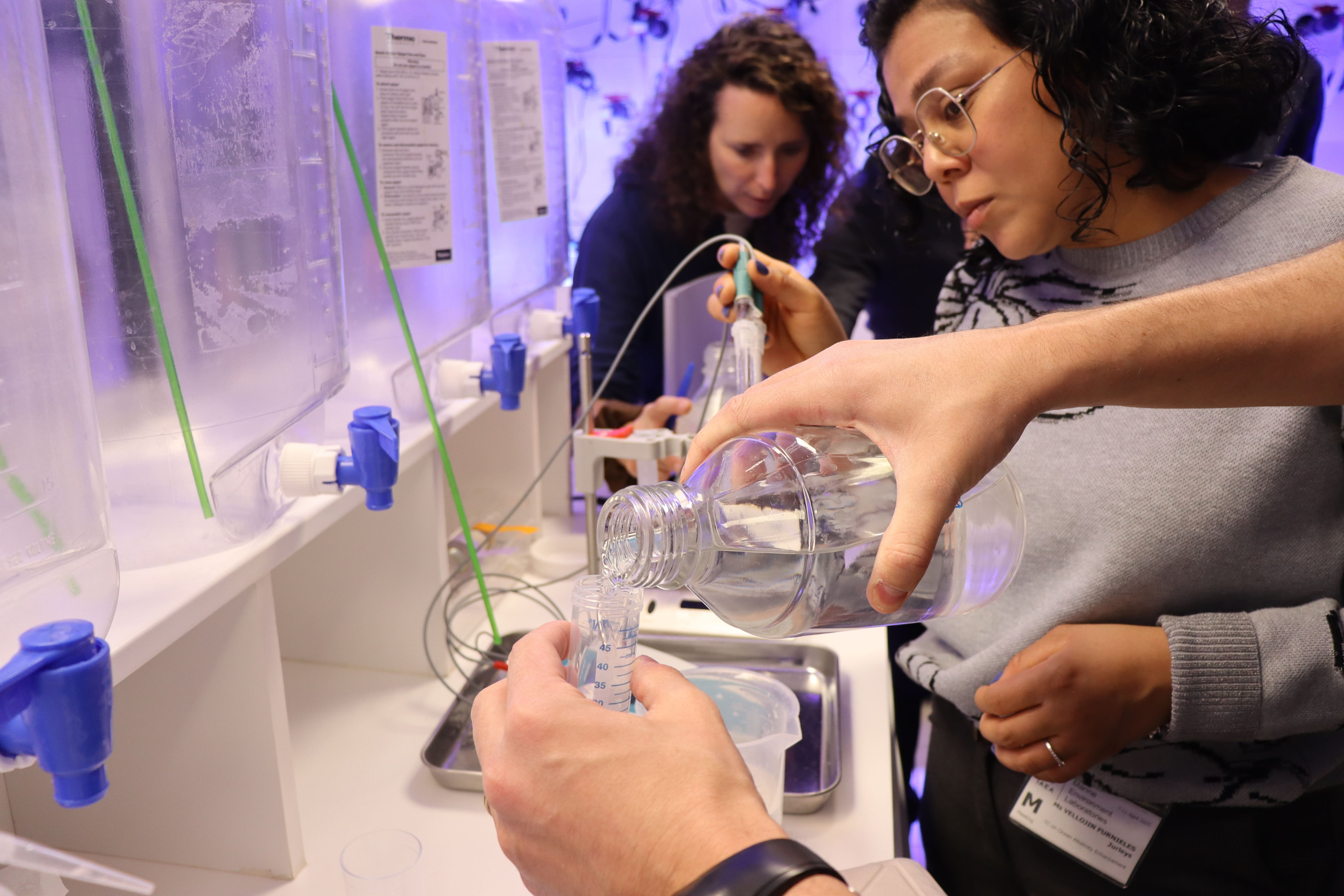
The IAEA is helping Caribbean countries strengthen their ability to monitor ocean acidification and respond to its impacts.
Life in the Caribbean is intrinsically tied to the ocean, as marine ecosystems sustain social and cultural identity and economic resources. Aquaculture and local fisheries are key sources of income, and coral reefs underpin biodiversity, coastal protection and tourism. However, the Caribbean marine environment faces environmental threats, including ocean acidification, a decrease in seawater pH caused by rising carbon dioxide levels.
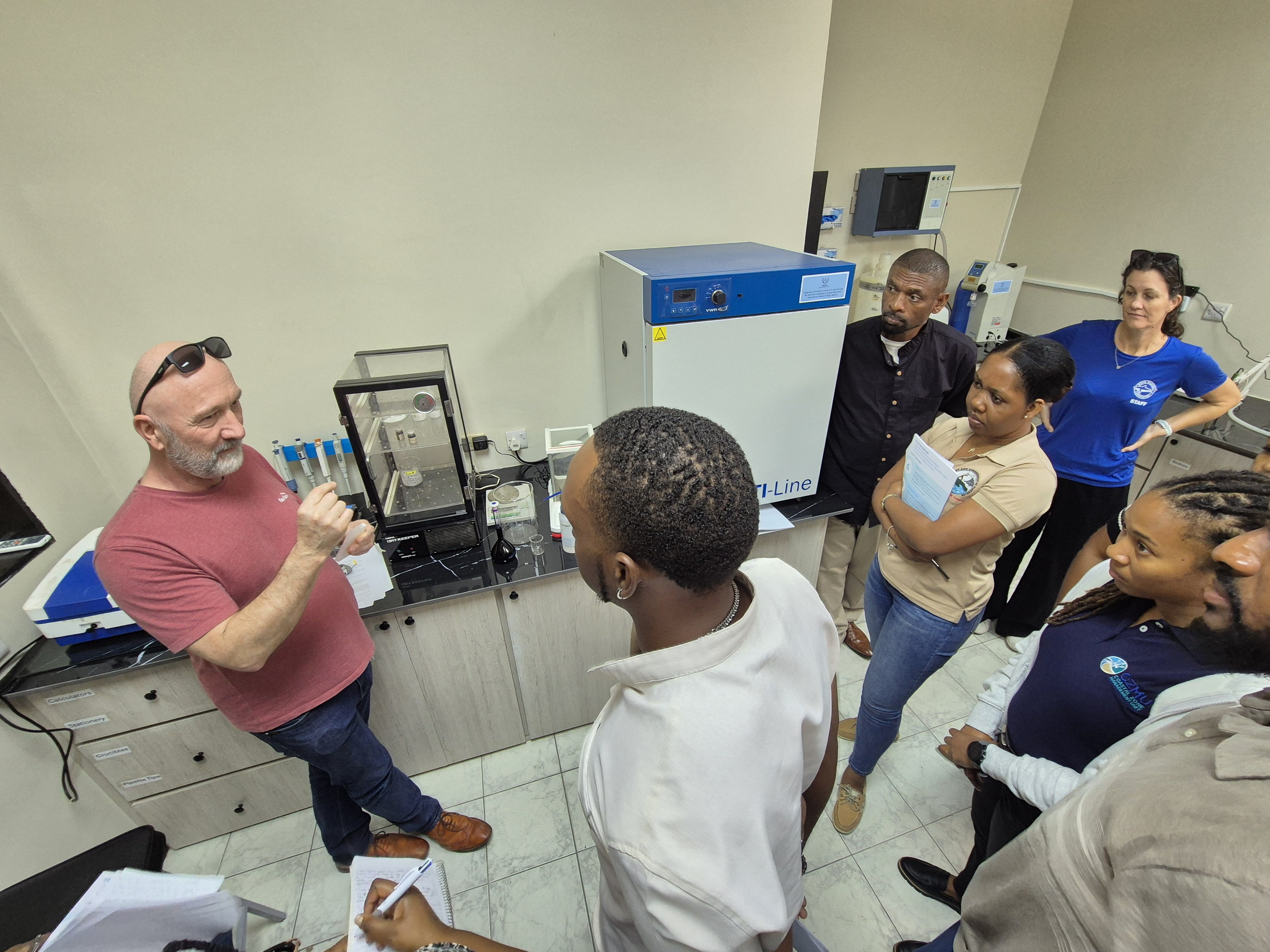
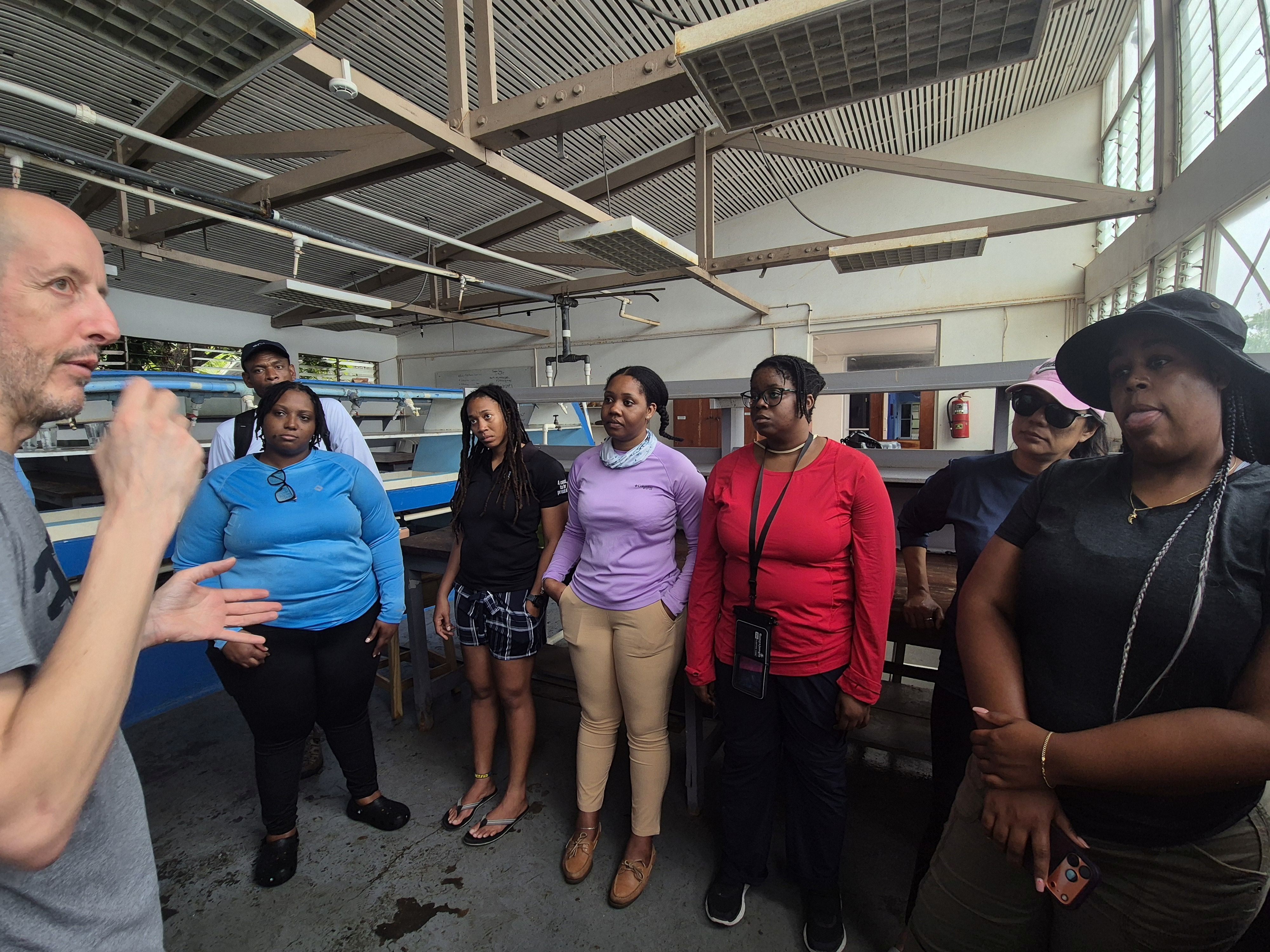
While ocean acidification has been recognized as a global threat and a research priority, capacity to monitor and study its ecological impacts remains limited in the Caribbean. To address this gap, the IAEA’s Ocean Acidification International Coordination Centre (OA-ICC) held a basic training course on Ocean Acidification from 16 to 20 March 2026 in Kingston, Jamaica, hosted by the University of the West Indies (UWI) Mona. The training brought together 11 scientists from six countries (Antigua and Barbuda, Barbados, Belize, Jamaica, Saint Vincent and the Grenadines, and Trinidad and Tobago), including five scientists supported by the IAEA technical cooperation programme.