<dd id="rw0xn"></dd>

  • <label id="rw0xn"></label>

  • <sup id="rw0xn"><strike id="rw0xn"></strike></sup><label id="rw0xn"></label>
      <th id="rw0xn"></th>
    1. <var id="rw0xn"></var>
        1. <table id="rw0xn"></table>

          <sub id="rw0xn"><meter id="rw0xn"></meter></sub>

          IAEA Showcases Science in Action at WNE’s “Beyond Electricity” Expo

          During the world’s leading civil nuclear exhibition in Paris, France, in November 2025, visitors of all ages from across the globe visited a special expo dedicated to nuclear’s non-power applications. (Photo: WNE)

          From cancer care to portable food safety testing and climate-resilient crops, the IAEA demonstrated how nuclear technology is transforming lives well beyond the energy sector at last month’s Beyond Electricity Expo in Paris.

          Held from 4 to 6 November as part of the World Nuclear Exhibition (WNE) 2025, the first-ever Beyond Electricity Expo (BEE) was jointly developed by the IAEA, the French Alternative Energies and Atomic Energy Commission (CEA), and WNE organizers. The immersive exhibition spotlighted nuclear’s contribution across six industries — medicine, agriculture, hydrogen, heat, desalination, and space — while underscoring the technology’s versatility and growing relevance in addressing global challenges.

          At the official inauguration, IAEA Director General Rafael Mariano Grossi joined Sylvie Bermann, Ambassador of France and President of WNE, and Fatih Birol, Executive Director of the International Energy Agency. Bermann emphasized nuclear’s expanding impact: “Nuclear science is integral to many areas of life other than electricity generation and this is highlighted under our theme ‘Beyond Electricity.’ Nuclear energy is more than electricity — it is a versatile, transformative force that can address some of humanity’s greatest challenges.”
          Putting Nuclear Applications in the Spotlight

          More than 2,000 visitors — including students, researchers, journalists, private sector representatives and government officials — visited the IAEA’s exhibits, which showcased practical applications of nuclear science in health, food, and agriculture.

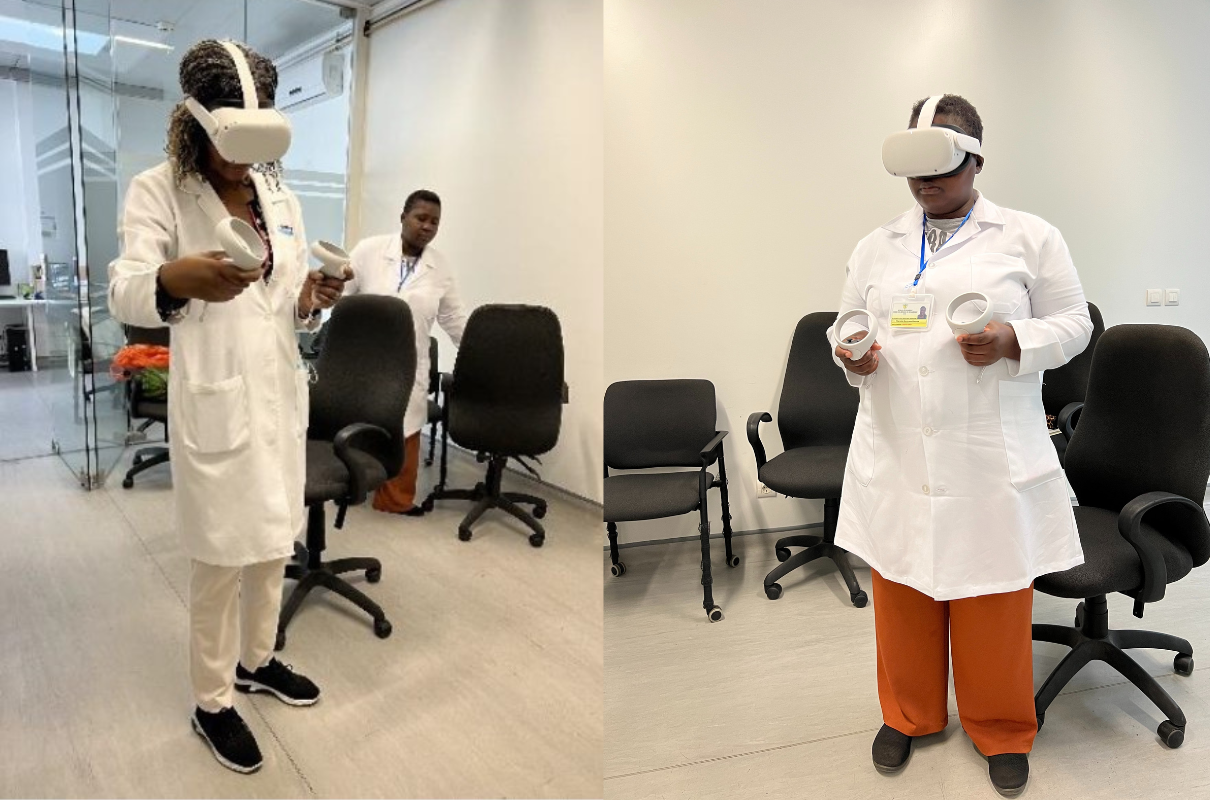
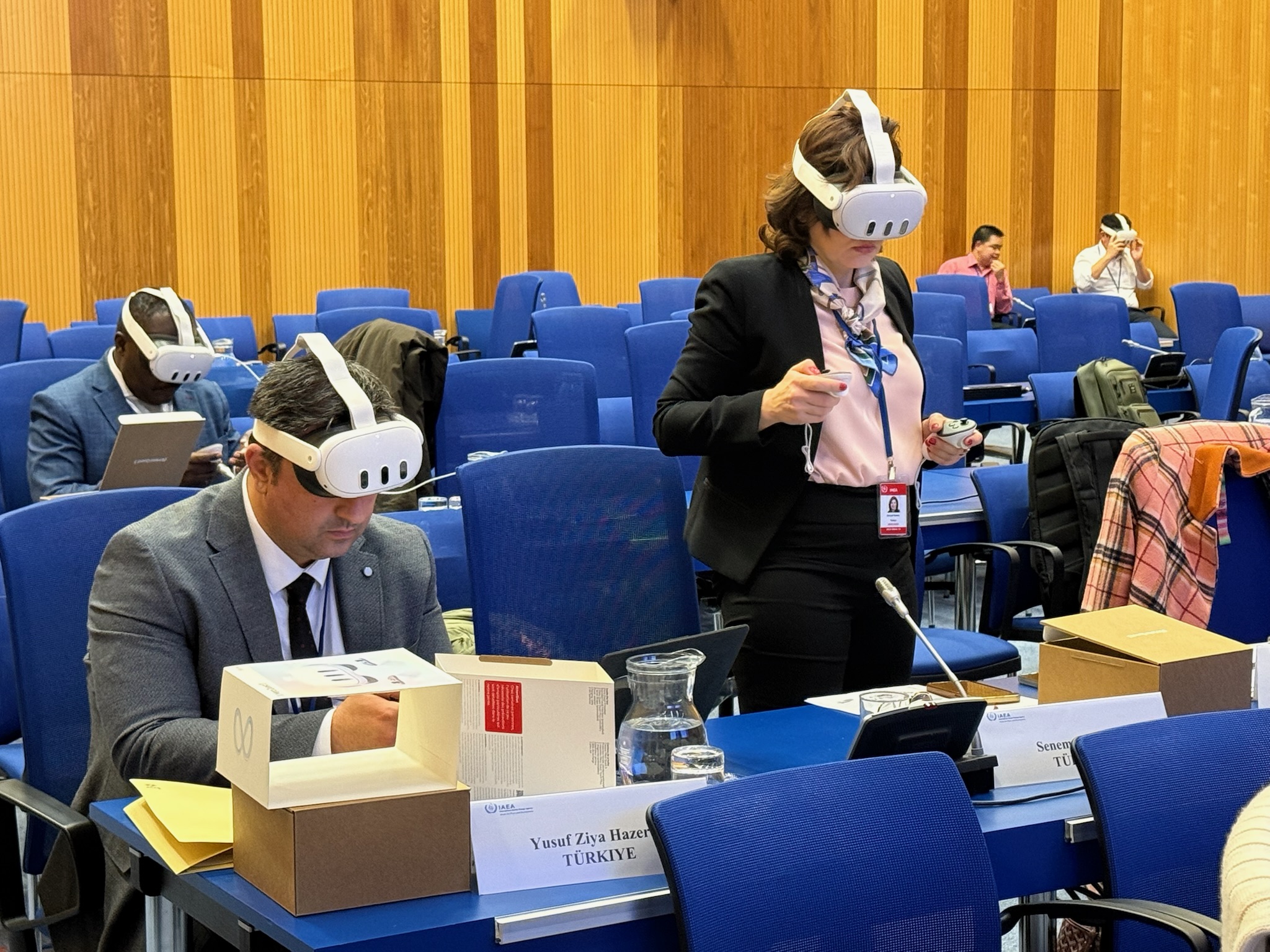
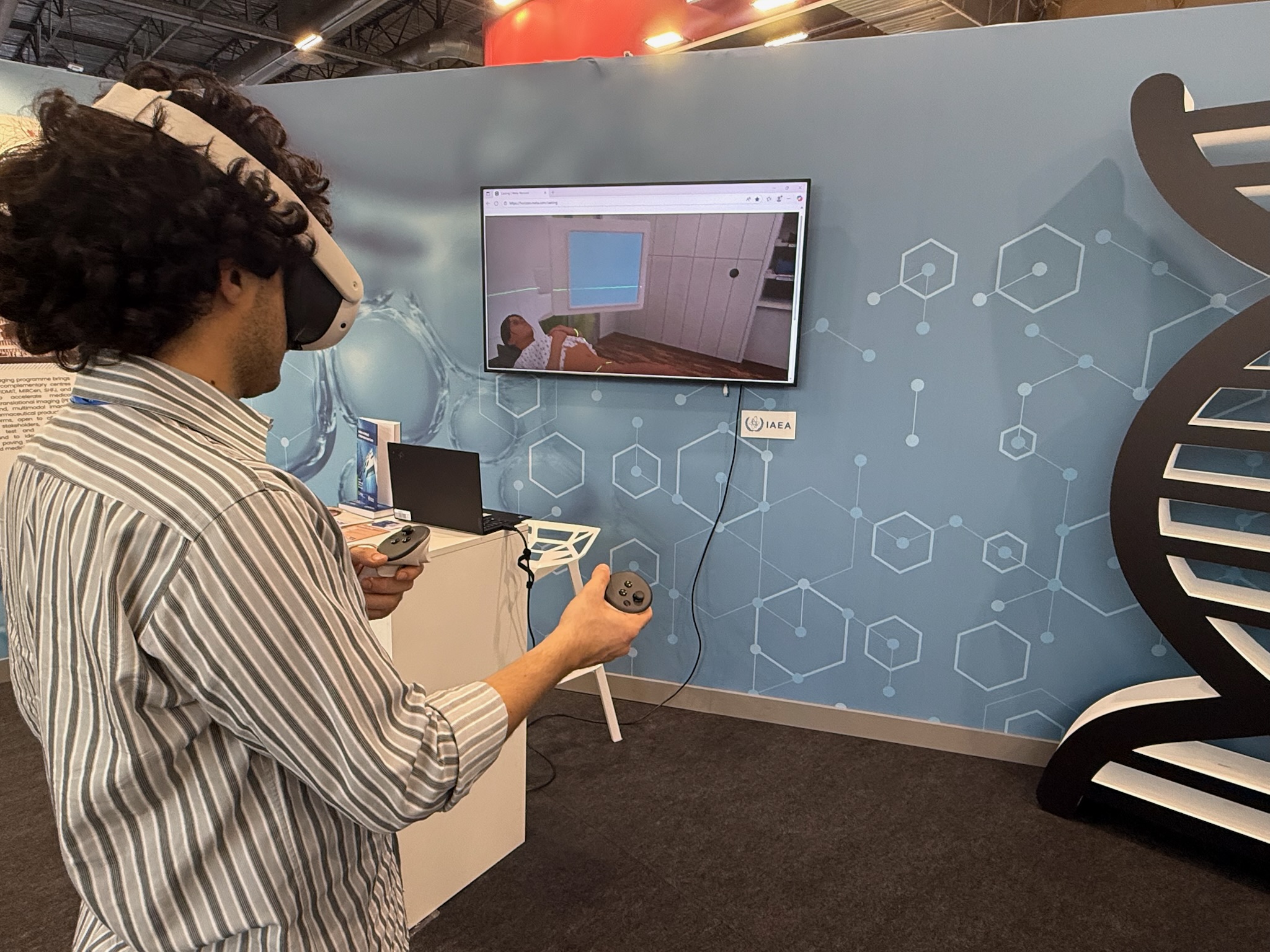
          In medicine, the IAEA demonstrated how ionizing radiation is helping to address non-communicable diseases such as cancer. Through the IAEA’s human health programme’s virtual reality (VR) models, attendees experience first-hand how nuclear technology supports the treatment of cervix and the prostate cancers through radiotherapy – a life-saving treatment that nearly half of all cancer patients require at some point. 

          As visitors moved through each of the key step of the treatment process, they also learned how medical imaging techniques, such as computed tomography help monitor and manage these cancers. Under the IAEA’s Rays of Hope initiative, dedicated knowledge and capacity building hubs around the world — known as Anchor Centres — use these VR models to accelerate education and training

          “By simulating external beam radiotherapy and brachytherapy procedures, the IAEA’s VR tools are helping students and professionals to build hands-on experience within realistic settings,” explained Sandra Ndarukwa, IAEA Associate Education Officer (Radiation Oncology) and the specialist responsible for the models. “In light of the 84 000 radiation oncologists, 47 000 medical physicists and 141 000 radiotherapy technologists who are needed by 2050 to meet the global surge in cancer cases, these tools serve as an innovative catalyst to train at scale,” she emphasized, noting: “Over 80 radiotherapy specialists from across Africa were able to sharpen their medical skills by utilizing these VR models at the at the African Organisation for Research and Training in Cancer (AORTIC) conference in Tunisia that was held during the same week as WNE.”

          An exhibition attendee uses virtual reality to precisely position a cancer patient model, to ensure that ionizing radiation can be directed to the correct location. (Photo: P. Lee/IAEA)

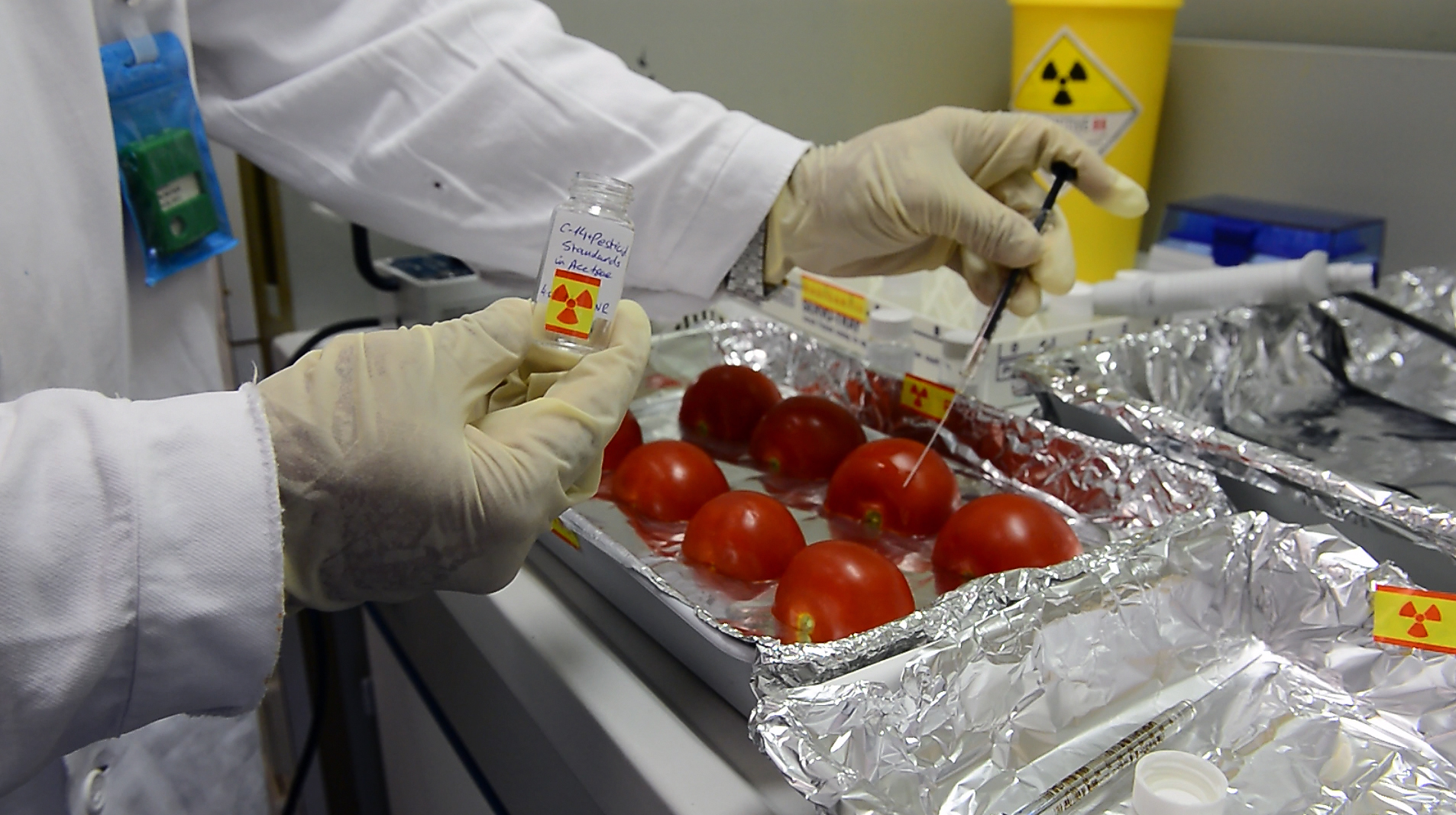
          In food safety, IAEA experts showcased how compact, field-ready instruments — such as portable electrochemical sensors and near-infrared spectrometers — can quickly detect contaminants like lead in fruit juice or mycotoxins in maize and identify food adulteration in real time.

          “The number of people facing food insecurity has more than doubled since 2020, and this global crisis has also increased the amount of adulterated food entering the market,” explained Marivil Islam from the IAEA’s Food Safety and Control Laboratory.

          The IAEA has developed and validated a Tier 1 analysis method that uses small lightweight equipment and a laptop to make food testing accessible and affordable. The approach offers immediate results to alert organizations to potential problems and help them protect their populations.

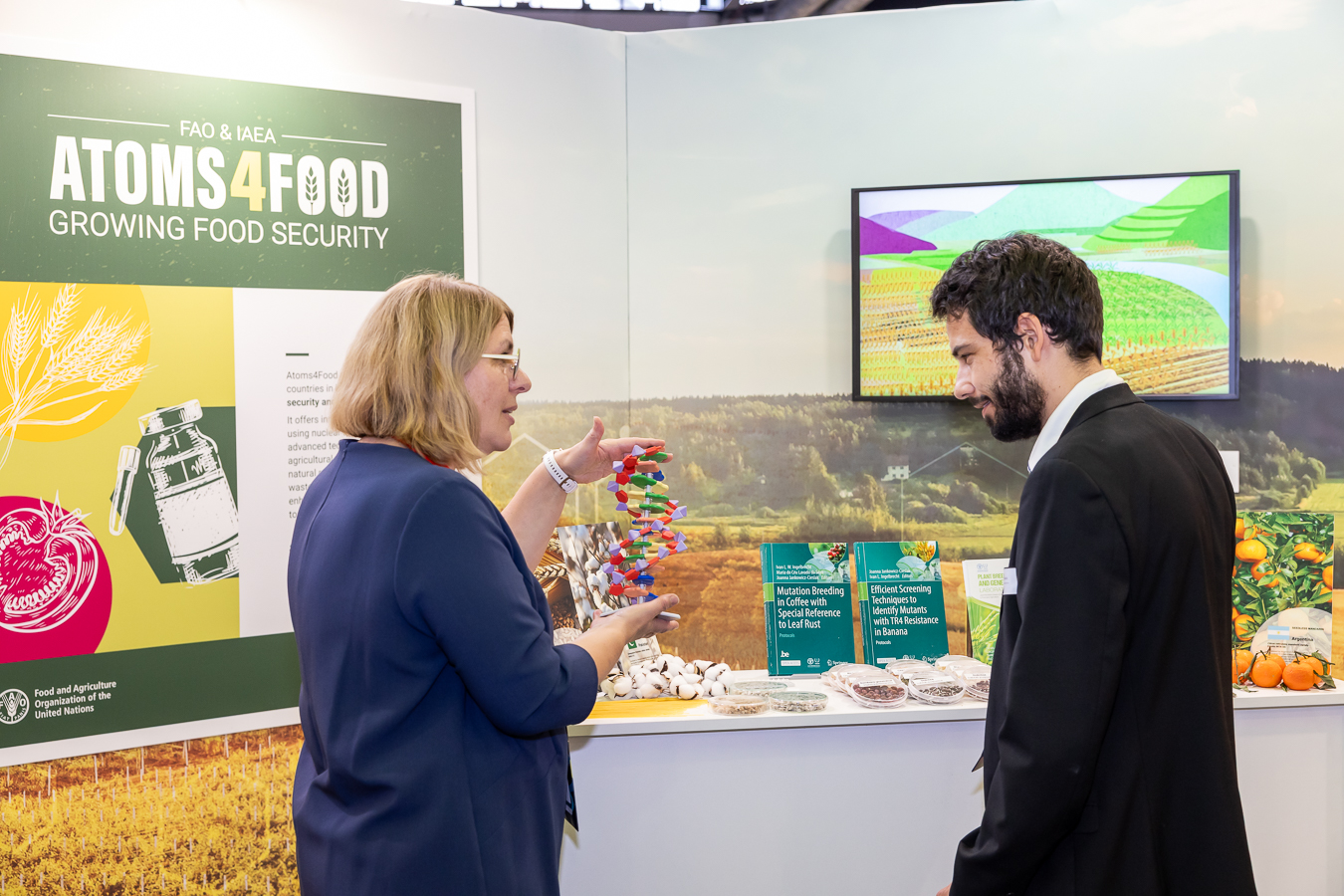
          In agriculture, the IAEA highlighted how mutation breeding — the use of radiation to induce beneficial genetic variation — supports the development of crops that are more resilient to climate change and enriched with essential nutrients. By integrating nuclear techniques with modern biotechnology and genomics tools, researchers are helping countries strengthen food security and sustainability.

          “We can identify and deploy beneficial traits more efficiently by combining mutagenesis with innovative technologies,” said Joanna Jankowicz-Cieslak, IAEA Plant Breeding Specialist. “For decades, mutation breeding has helped farmers worldwide by enabling the development and release of crop varieties that are better adapted to environmental challenges. The IAEA’s Plant Breeding and Genetics Subprogramme in particular has directly contributed to food security over the past 60 years and continues to be at the forefront of supporting farmers – including under the Agency’s new Atoms4Food initiative.”

          IAEA Plant Breeding Specialist Joanna Jankowicz explains how radiation can be used to breed new and improved crop varieties. (Photo: WNE)

          Inspiring the Next Generation

          Designed as a hub for learning and exchange, BEE attracted strong interest from professionals and students alike. Interactive exhibits, live demonstrations and expert-led discussions showcasing the real-world impact of nuclear science in solving everyday challenges.

          For the first time at WNE, attendees also learned about the IAEA’s broader work on nuclear technology and applications by visiting the IAEA’s dedicated booth. Conversations with IAEA scientists provided insights into how nuclear science supports sustainable development across the globe.

          “With hundreds of visitors each day, the IAEA succeeded in showing that nuclear is not only about generating power — it’s about transforming lives,” said Najat Mokhtar, Deputy Director General and Head of the Department of Nuclear Sciences and Applications. “From clean water and safe food to effective, high-quality cancer care, nuclear technology is already helping to shape a more sustainable and equitable future for all.”

          <dd id="rw0xn"></dd>

        2. <label id="rw0xn"></label>

        3. <sup id="rw0xn"><strike id="rw0xn"></strike></sup><label id="rw0xn"></label>
            <th id="rw0xn"></th>
          1. <var id="rw0xn"></var>
              1. <table id="rw0xn"></table>

                <sub id="rw0xn"><meter id="rw0xn"></meter></sub>
                97碰成人国产免费公开视频