<dd id="rw0xn"></dd>

  • <label id="rw0xn"></label>

  • <sup id="rw0xn"><strike id="rw0xn"></strike></sup><label id="rw0xn"></label>
      <th id="rw0xn"></th>
    1. <var id="rw0xn"></var>
        1. <table id="rw0xn"></table>

          <sub id="rw0xn"><meter id="rw0xn"></meter></sub>

          Supporting Data-Driven Tsetse Eradication Efforts in Africa

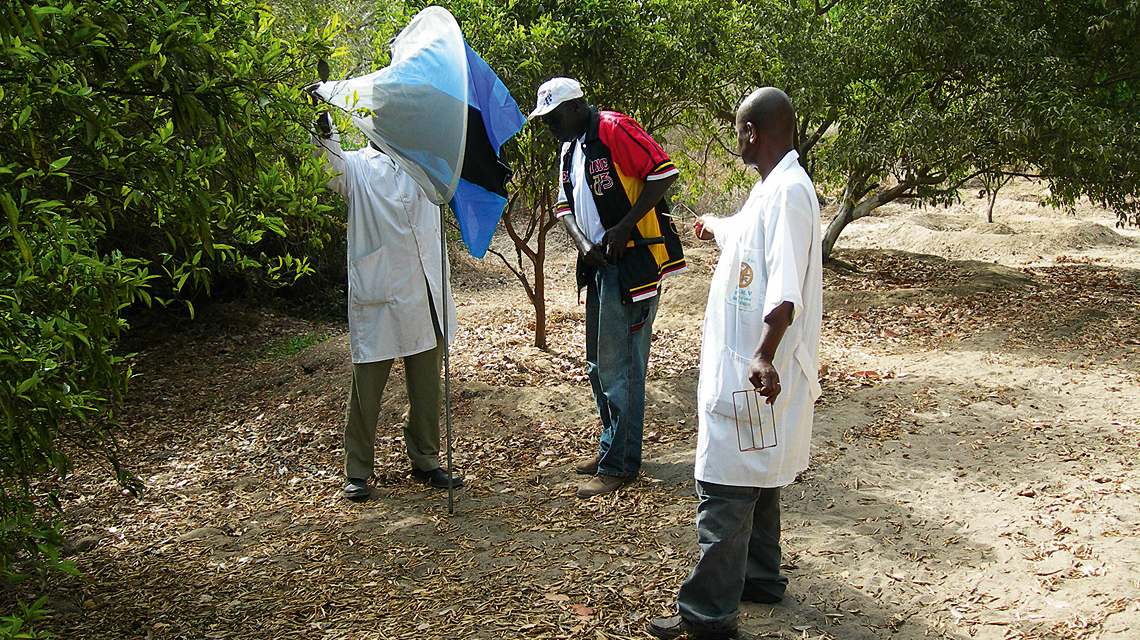
          Tsetse flies carry diseases that harm both livestock and humans. (Photo: D. Calma/IAEA)

          African countries are strengthening efforts to eradicate tsetse flies through improved data and upgraded capacity.

          By updating national tsetse atlases and upgrading insect laboratories, African countries are making progress toward the eradication of tsetse flies. These large, bloodsucking insects act as a vector for dangerous diseases, including sleeping sickness and African animal trypanosomiasis (AAT), also known as nagana. Building on decades of support, the IAEA bolsters these efforts by providing tools, protocols and technical guidance for effective surveillance and control of tsetse flies.

          Empowering Scientists to Map Tsetse Flies

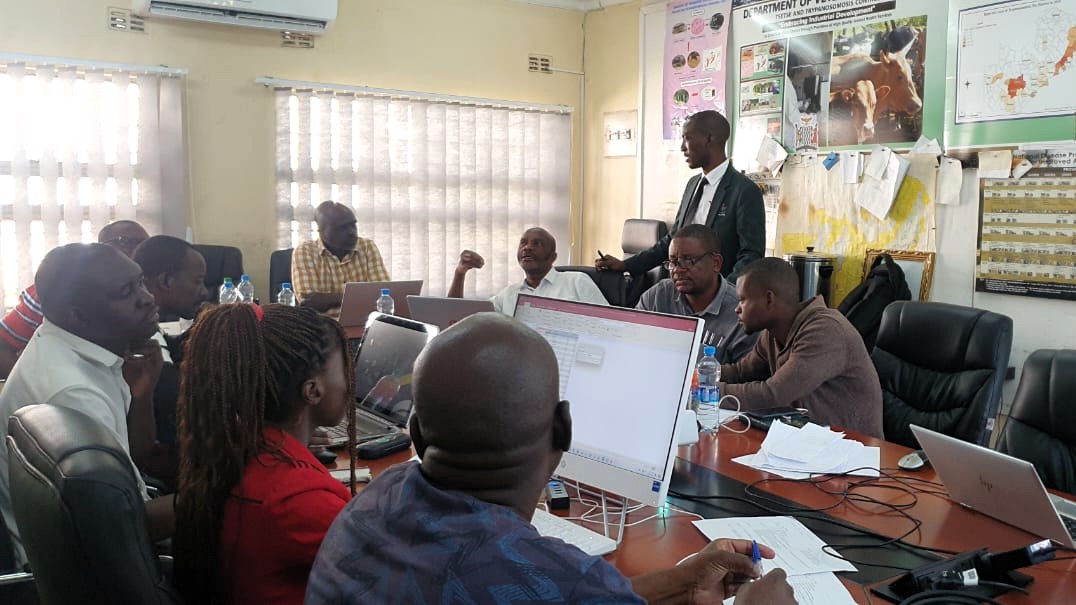
          Participants attend an IAEA/FAO training session on developing tsetse atlases in Zambia. (Photo: K. Chilongo/Tsetse and Trypanosomiasis Control Unit, Zambia)

          Zambia published its first National Atlas on Tsetse in November 2025 following a series of national and regional training courses delivered by the IAEA technical cooperation programme in close collaboration with the Joint FAO/IAEA Centre of Nuclear Techniques in Food and Agriculture. National atlases map the geographic distribution of tsetse flies and the diseases they carry. Zambia’s new atlas replaces historical maps and outdated atlases that are no longer reliable.

          “A significant amount of unpublished data has been collected in recent years, but it did not exist in a unified, centralized and regularly updated form – and this necessitated the development of such a database,” said Kalinga Chilongo, Chief Tsetse Control Biologist at Zambia’s Tsetse and Trypanosomiasis Control Unit. “The new atlas is a powerful tool for the storage and management of available data, which can facilitate valuable insights into the epidemiology of African animal trypanosomiasis that in turn guide the evidence-based development and implementation of strategies to progressively control AAT in Zambia.”

          As tsetse flies are the primary carrier of trypanosomiasis, which can be fatal in humans and livestock, several African countries are prioritizing their eradication. By tracking the distribution of tsetse flies, they can better plan field eradication campaigns. In 2025, the IAEA delivered its first training to specialists from Angola, the Gambia, Nigeria and Tanzania to develop and update their countries’ national atlases on tsetse and AAT. It has also provided capacity building support to an additional 15 countries. All participating countries advanced the development of their national atlases, with 11 currently preparing national tsetse atlases for publication.

          Upgrading Tsetse Mass-Rearing Facilities

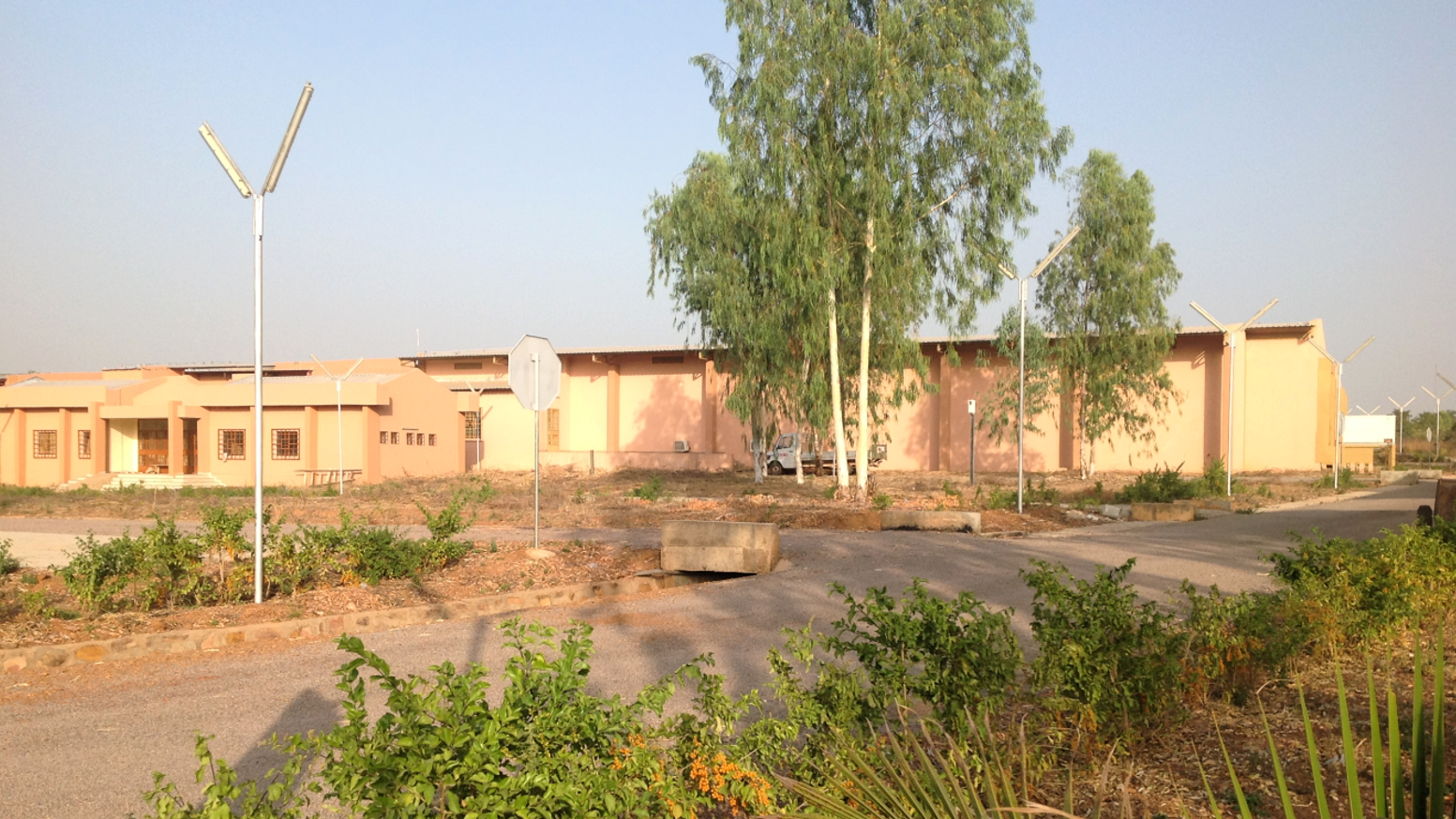
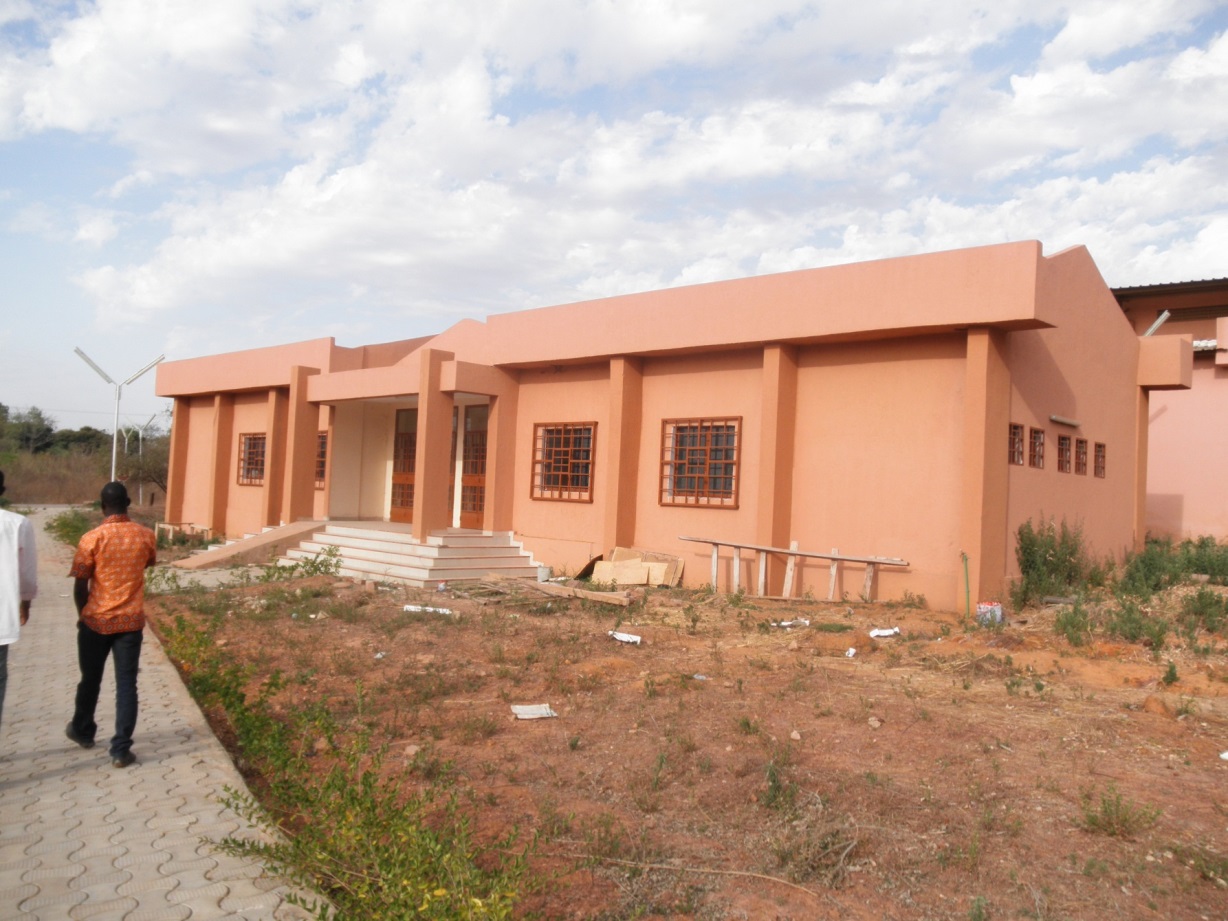
          Burkina Faso’s Bobo-Dioulasso Insectarium produces sterile insects for SIT implementation in West Africa. (Photo: S. Pagabeleguem/DELMA DGSV)

          To support tsetse eradication efforts, two tsetse insectaries in Burkina Faso and Ethiopia were upgraded through the IAEA technical cooperation programme, receiving specialized equipment for the mass rearing of insects for use in the sterile insect technique (SIT). 

          SIT uses ionizing radiation to sterilize mass-reared tsetse flies. Sterilized males are systematically released into target areas where they mate with wild females, producing no offspring and gradually driving the fly population toward local eradication. 

          The new equipment has ensured the stability of the insect colonies and optimized production capacity in both countries. At Burkina Faso’s Bobo-Dioulasso Insectarium, an IAEA Collaborating Centre, the upgrades support the production of sterile males for Senegal's SIT field campaign against tsetse. 

          “The Insectarium of Bobo-Dioulasso has become a regional hub, providing high-quality sterile tsetse males, technical expertise and operational support in the West Africa region,” said Souma?la Pagabeleguem, Director of Entomology and Vector-Borne Animal Disease Control, Insectarium of Bobo-Dioulasso, Burkina Faso. “Between 2017 and 2024, it supplied 9.5 million sterile tsetse males to support the Senegal eradication programme in the Niayes, playing a central role in the programme’s success.” 

          Incorporating SIT in Integrated Pest Management

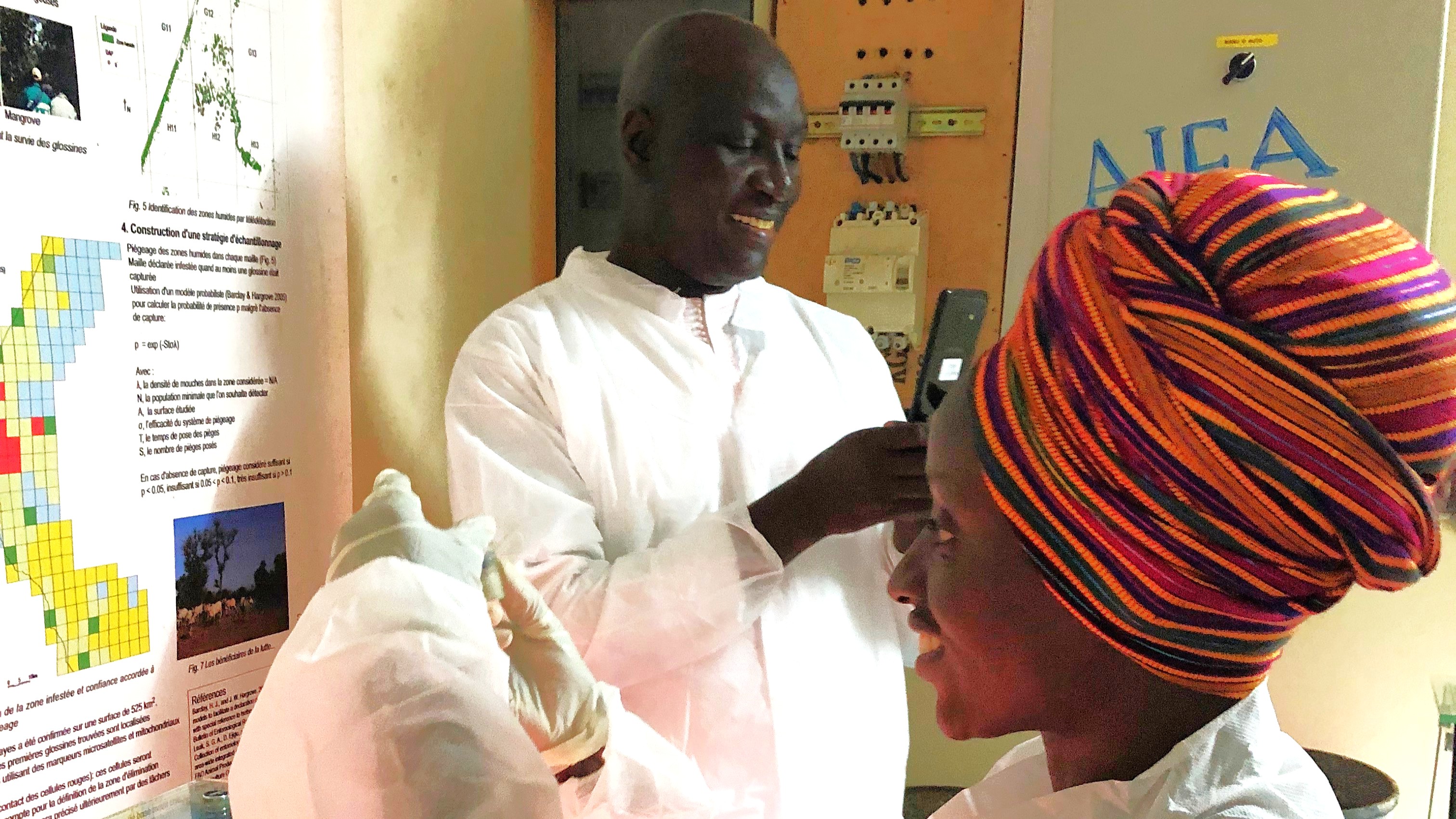
          Scientists in Senegal examines tsetse fly specimens in the laboratory. (Photo: USUNVIE) 

          “The IAEA technical cooperation programme is supporting African countries to advance coordinated strategies for the area-wide integrated pest management. By strengthening surveillance, developing national atlases and supporting the application of the sterile insect technique, these efforts are helping countries move toward sustainable tsetse-free zones that protect livelihoods and strengthen food security,” said Gashaw Wolde, Acting Director of the Division for Africa, IAEA Department of Technical Cooperation. 

          In 2024, the ‘Thematic Plan for the Development and Application of the Sterile Insect Technique for Tsetse Area-Wide Integrated Pest Management Programmes’ was updated  to take into account current constraints, gaps and challenges, as well as, the research needs to support field projects. It now offers a revised strategic document for integrating SIT with other complementary tools for the large-scale control of tsetse flies.  

          “Technologies underpin progress in prevention, suppression and eradication of tsetse flies. Through the Sterile Insect Technique, we support Member States in scaling integrated eradication efforts sustainably,” said Dongxin Feng, Director of the Joint FAO/IAEA Centre. 

          Once key prerequisites like mass-rearing and irradiation capacities, baseline data and feasibility studies are already in place, sustainable tsetse-free zones can be established through integrated control methods and phased conditional approach. By building and strengthening their technical capacities, African countries can help ensure the successful implementation of the tsetse management, contributing toward the eventual suppression or eradication of tsetse.  

          <dd id="rw0xn"></dd>

        2. <label id="rw0xn"></label>

        3. <sup id="rw0xn"><strike id="rw0xn"></strike></sup><label id="rw0xn"></label>
            <th id="rw0xn"></th>
          1. <var id="rw0xn"></var>
              1. <table id="rw0xn"></table>

                <sub id="rw0xn"><meter id="rw0xn"></meter></sub>
                97碰成人国产免费公开视频