<dd id="rw0xn"></dd>

  • <label id="rw0xn"></label>

  • <sup id="rw0xn"><strike id="rw0xn"></strike></sup><label id="rw0xn"></label>
      <th id="rw0xn"></th>
    1. <var id="rw0xn"></var>
        1. <table id="rw0xn"></table>

          <sub id="rw0xn"><meter id="rw0xn"></meter></sub>

          IAEA Supports Research Reactor Safety and Utilization Efforts in Africa

          Featured Story

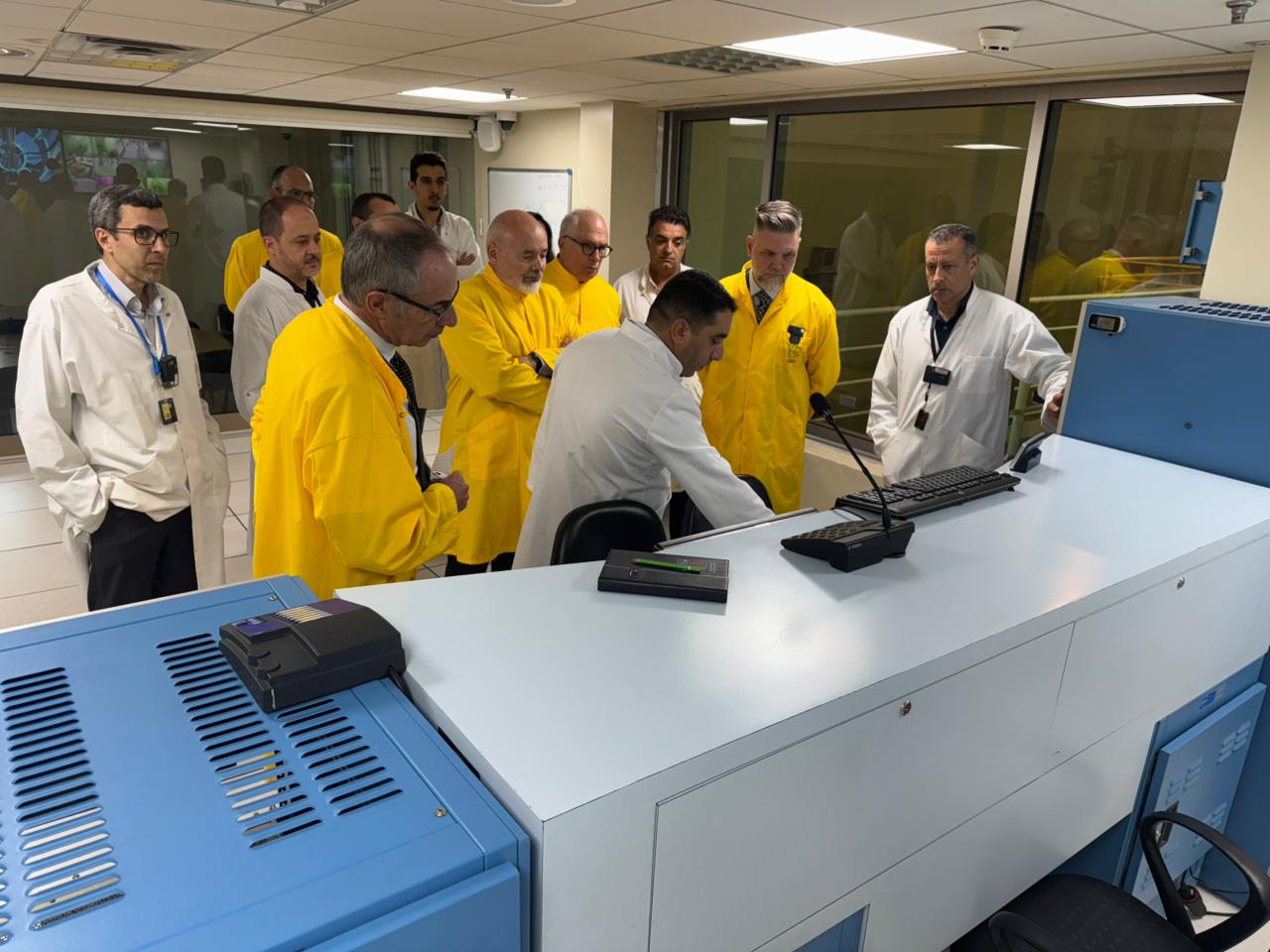
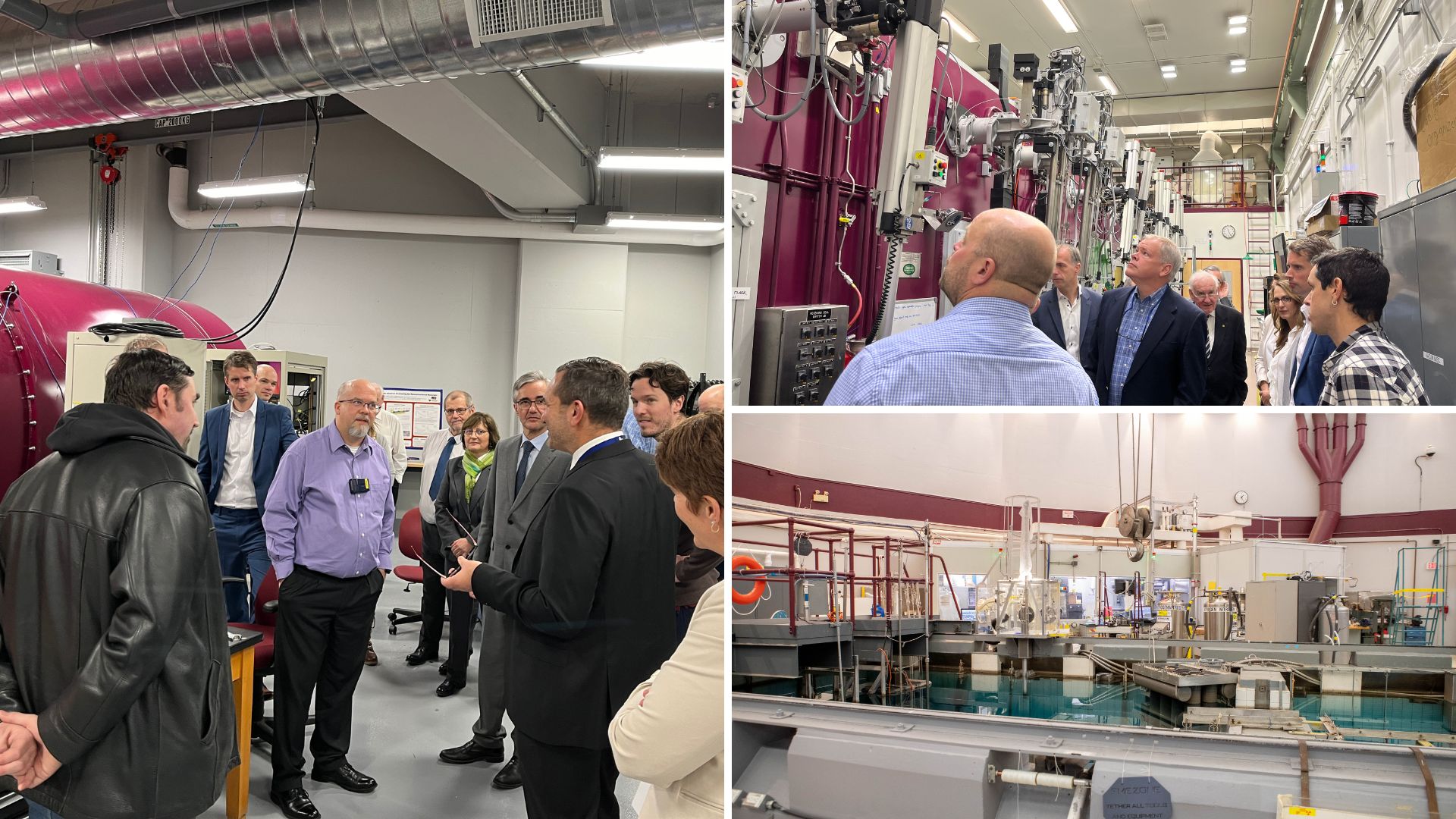
          Participants visit the SAFARI-1 research reactor in Pretoria, South Africa during the Regional Advisory Safety Committee for Research Reactors in Africa (RASCA) annual meeting in October 2024. (Photo: NESCA)

          Research reactors have been operating in Africa for almost 70 years, with the Democratic Republic of the Congo’s TRICO reactor the first to reach criticality in 1958. Today, 11 research reactors are spread across eight countries in the continent, supporting sustainable farming, producing radioisotopes for life-saving cancer treatments, testing the structural integrity of buildings and industrial equipment, and identifying sources of industrial air pollution.  

          Research reactors also play a critical role in human capacity building by providing practical training and hands-on experience in nuclear science and technology, including training nuclear power plant operators. When these reactors are operated efficiently and safely, they can become powerful engines for scientific growth and innovation. But in Africa, many research reactors face hurdles like maintaining a strong safety culture, implementing robust management systems, retaining skilled personnel, and complying with regulatory oversight. 
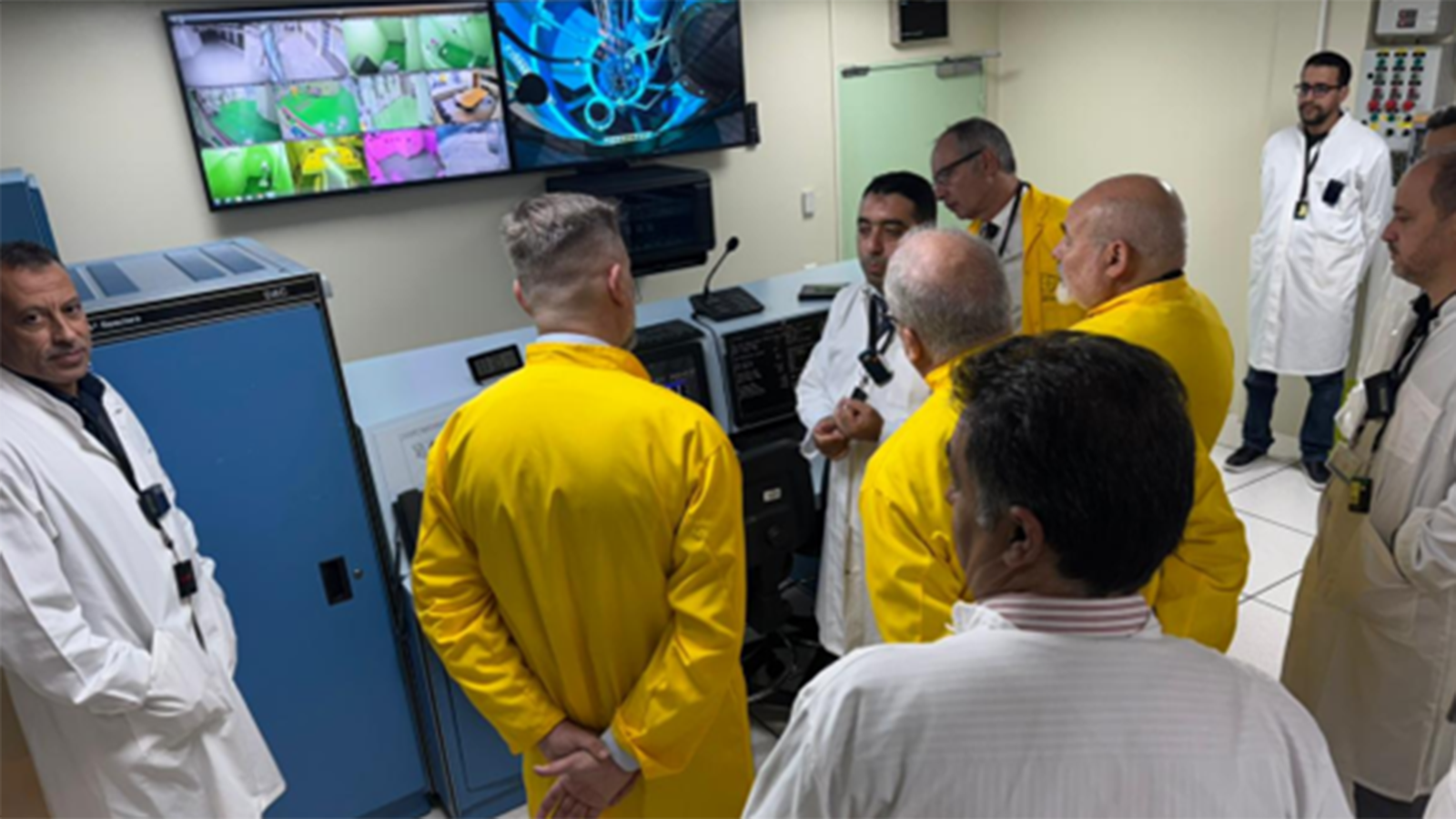
           

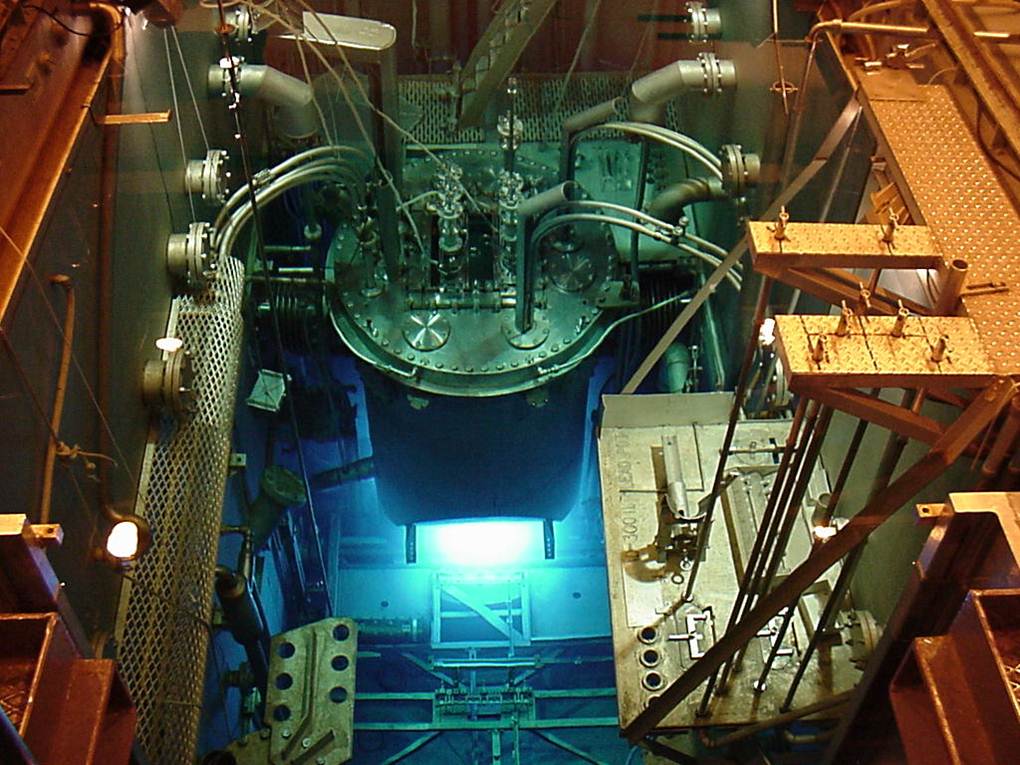
          The Integrated Safety Assessment Mission for Research Reactors (INSARR) that took place in Morocco’s TRIGA Mark II research reactor in November 2025 observed a continued commitment by the operator to improve operational safety.  (Photo: CNESTEN)

          IAEA Support to Research Reactor Operating Countries in Africa

          Through its technical cooperation programme, the IAEA is helping research reactor operating countries in Africa train staff, carry out regular safety reviews, and develop and implement plans to refurbish and modernize reactors so they can continue to operate safely and effectively.

          IAEA experts in nuclear science and applications, nuclear energy, and nuclear safety and security work alongside counterparts to optimize reactor utilization and operations, strengthen quality assurance and control, develop human resources, and support alignment with international safety standards. Regional workshops have also been held on radiation protection, radioactive waste management and integrated management systems. 

          The IAEA’s support extends to  operating organizations and regulatory bodies in the eight research reactor operating countries in Africa: Algeria, the Democratic Republic of the Congo, Egypt, Ghana, Libya, Morocco, Nigeria and South Africa through regional technical cooperation projects implemented under the African Regional Cooperative Agreement for Research, Development and Training related to Nuclear Science and Technology (AFRA), as well as national projects. 

          The Agency has also been providing technical expertise to countries embarking on research reactor projects, including Kenya, Rwanda and Uganda.

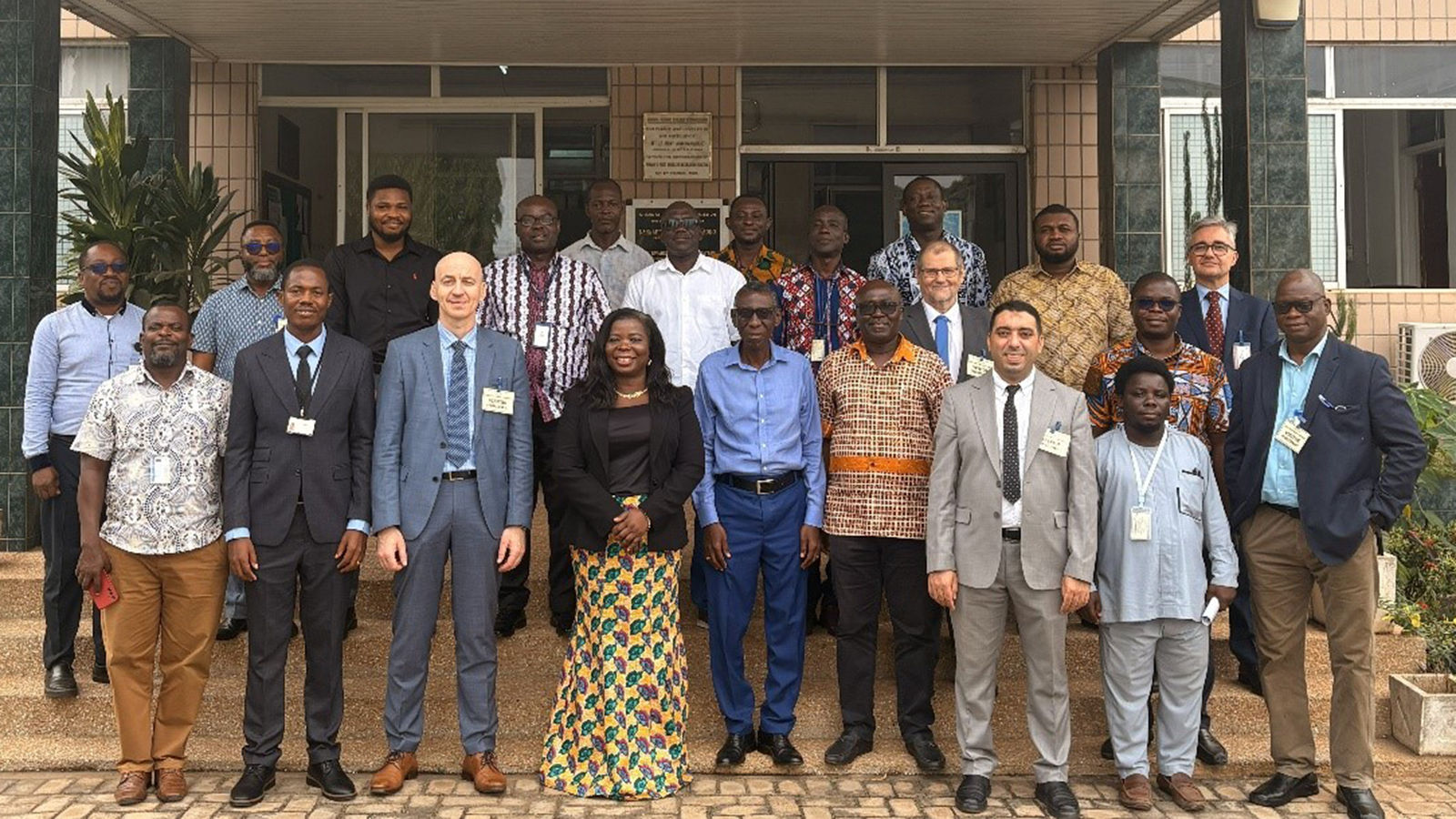
          An Integrated Research Reactor Utilization Review (IRRUR) mission conducted through this project in Ghana in December 2025 reviewed operations at the MNSR Training Facility and advised on strategic opportunities for further expansion. (Photo: GAEC)

          Using Research Reactors More Effectively

          With support from the IAEA’s technical cooperation projects and peer review missions, countries are improving research reactor utilization. Egypt, Ghana and Nigeria, for example, plan to conduct market analyses to leverage the use of research reactors for radioisotope production, analytical and research activities. 

          Overall capacity for radioisotope production has also been reinforced by introducing a graded learning approach in training plans. In Algeria and Egypt, a growing number of MSc and Ph.D. students are being trained at research reactor facilities thanks to an expanded scope of analytical techniques such as neutron activation analysis (NAA). In Ghana, demand for NAA — a form of non-destructive testing used to determine the concentration of elements in materials — increased following major outreach activities targeting universities and other stakeholders. Applications of NAA in Egypt include identifying trace elements in food and medicinal plants, shedding light on materials used by ancient civilizations, and understanding climate fluctuations by analysing coral skeletons.

          Some countries also use research reactors to test their ability to successfully run nuclear power programmes.

          Enhancing Safety and Best Practices

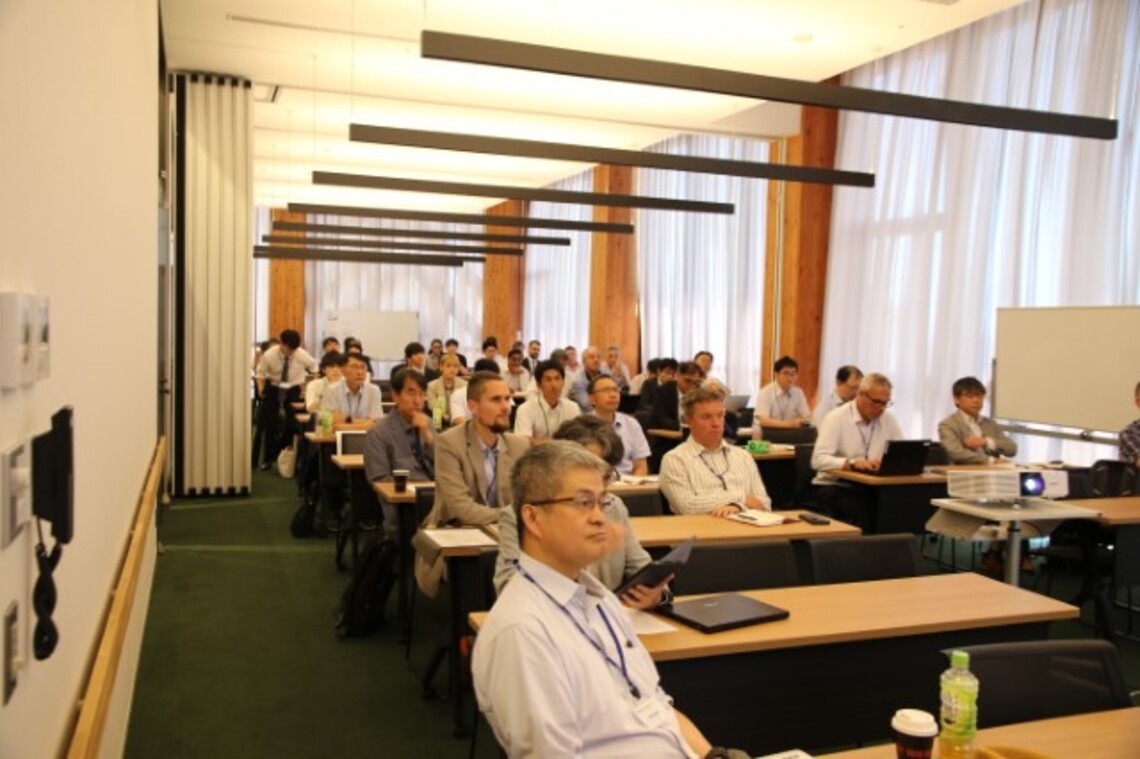
          Another focus of these projects is to reinforce safety and operational practices at research reactors. To this end, safety manuals and procedures have been developed to enhance safety culture and sharing of best practices among staff. Two conferences on research reactor safety, utilization and operation – in Egypt in 2022 and South Africa in 2025 - helped connect countries developing new research reactor capacity with those that already operate research reactors, encouraging regional knowledge exchange. The IAEA regional project has also supported several peer review missions in Ghana (Integrated Research Reactor Utilization Review or IRRUR), Kenya (Integrated Nuclear Infrastructure Review for Research Reactors or INIR-RR), Morocco (Integrated Safety Assessment Mission for Research Reactors or INSARR) and South Africa (Safety Aspects of Long-Term Operation or SALTO). These missions have helped enhance the safety and utilization of individual research reactors and enabled informed decision making for their sustainability.

          Networks and Partnerships

          Many project participants appreciated the opportunity for regional collaboration and knowledge-sharing. 

          “Project activities provided a platform for my country to strengthen networking and cooperation with other African Member States, the IAEA, and relevant technical institutions,” said Henry Odoi from the Ghana Atomic Energy Commission. “This cooperation is expected to support future national efforts related to the development of nuclear infrastructure, human resource development, and the safe and secure use of nuclear technologies for peaceful applications,” he added. 

          As a result of the project, Ghana and Nigeria have signed an agreement to collaborate on training and research for the safe operation and optimal utilization of research reactors. All eight countries are looking to go further still as the final steps are under consideration for establishment of an African Network on Research Reactors (ANRR).

          In September 2025, the eight AFRA countries operating research reactors reached a major milestone with the signing of the charter of the Regional Advisory Safety Committee for Research Reactors in Africa (RASCA), on the margins of the IAEA’s 69th General Conference.  

          “The ratification of RASCA is expected to significantly impact activities related to safety operation and research reactor safety,” said Sammy Malaka from South Africa. “As the Reactor Manager of SAFARI-1, I want to reaffirm our unwavering commitment to the highest standards of nuclear safety and operational excellence. Our participation in the RASCA programme marks an important milestone in strengthening our safety management systems,” he added. 

          “What stands out about this regional project on research reactors is the shared commitment to harnessing nuclear science and technology to address Africa’s socioeconomic priorities using their unique applications in many peaceful applications of nuclear science and technology,” said Gashaw Wolde, Acting Director for the Division of Africa in the IAEA’s Department of Technical Cooperation. “By investing in skilled people, infrastructure, and collaboration, African research reactors are now better positioned to serve their countries going forward.”

          <dd id="rw0xn"></dd>

        2. <label id="rw0xn"></label>

        3. <sup id="rw0xn"><strike id="rw0xn"></strike></sup><label id="rw0xn"></label>
            <th id="rw0xn"></th>
          1. <var id="rw0xn"></var>
              1. <table id="rw0xn"></table>

                <sub id="rw0xn"><meter id="rw0xn"></meter></sub>
                97碰成人国产免费公开视频