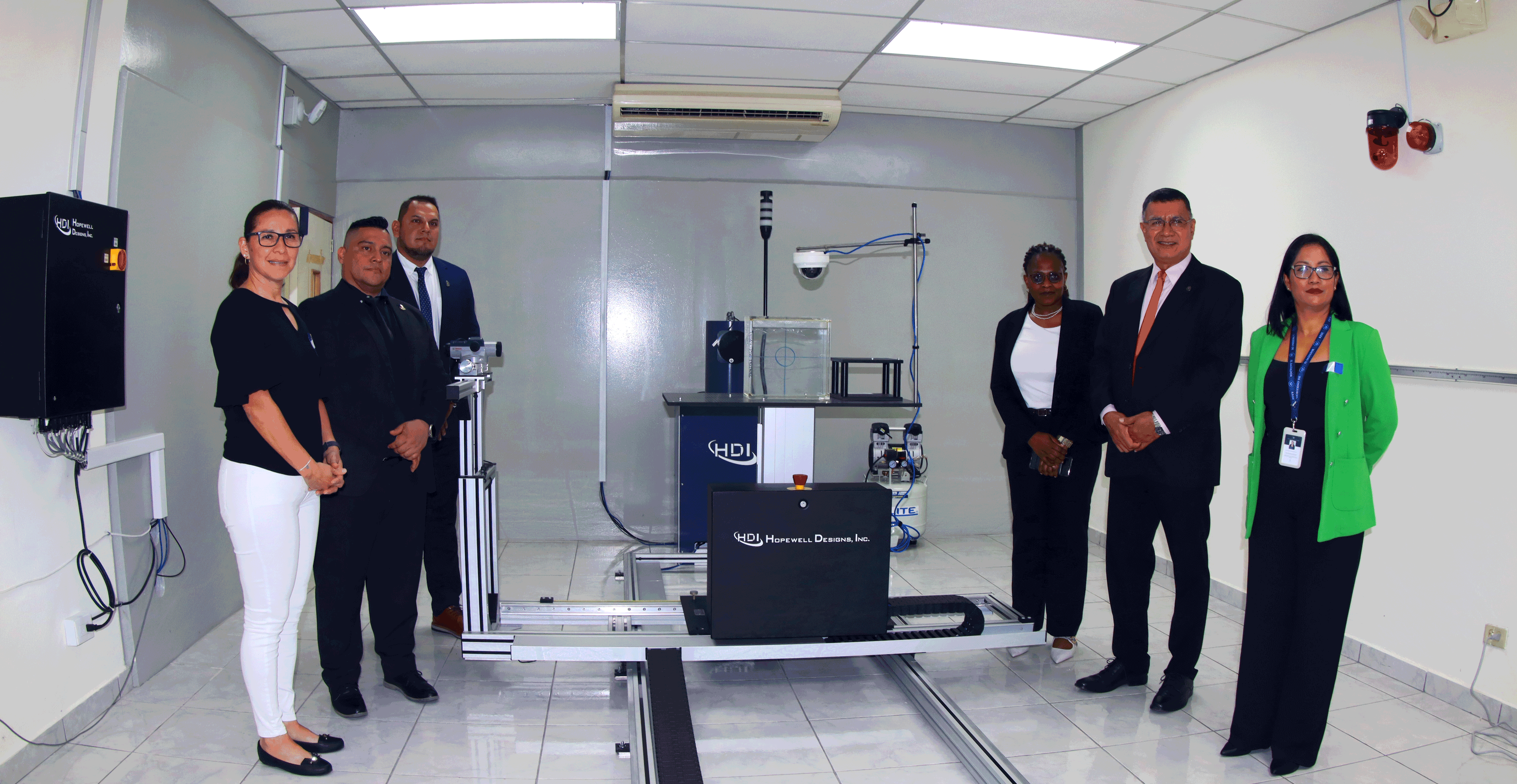
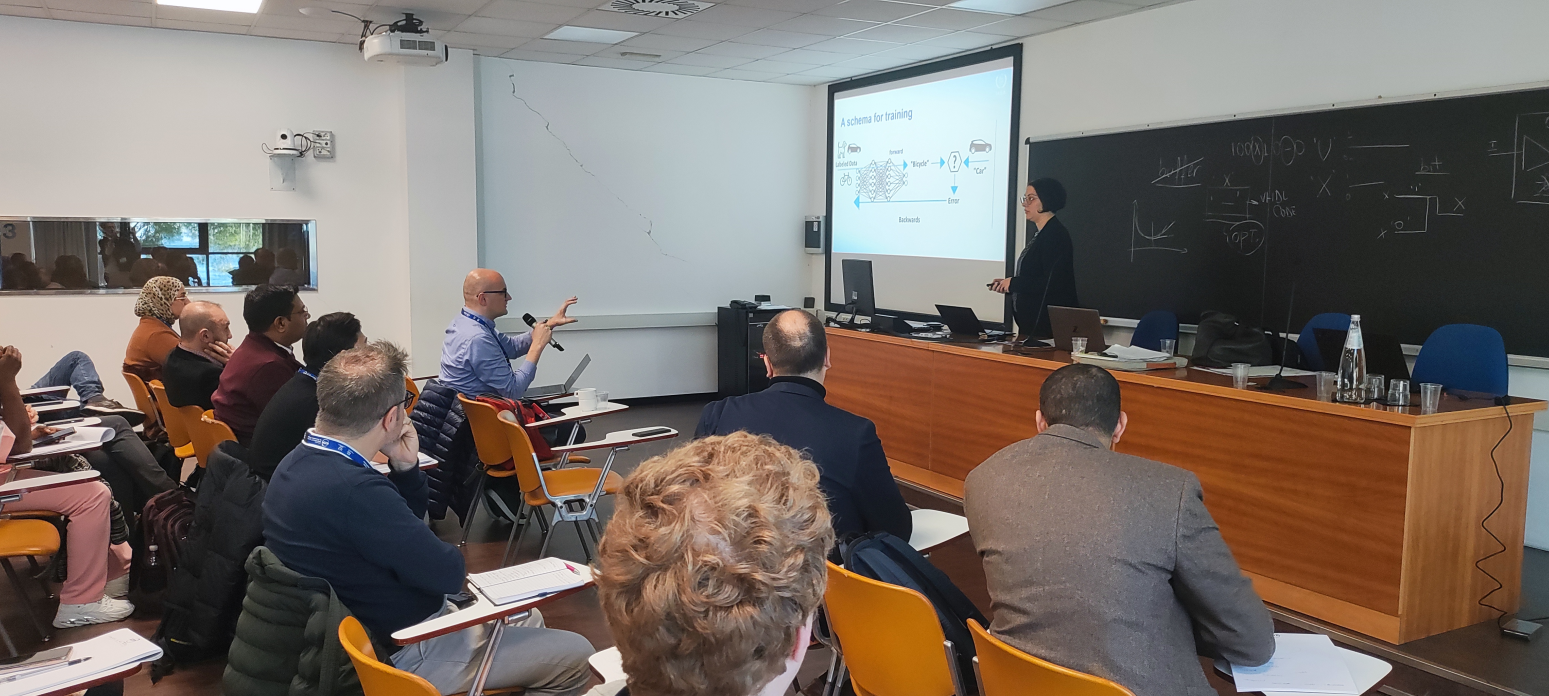
El Salvador has inaugurated its first Secondary Standards Dosimetry Laboratory —a specialized facility that will help ensure the safe and effective use of ionizing radiation. The laboratory will provide calibration services for facilities across the country, strengthening radiation safety and measurement accuracy.
“Thanks to the support from the IAEA, we are strengthening our radiation protection in El Salvador by establishing a Secondary Standards Dosimetry Laboratory,” said Héctor Chávez, Director of the Centre for Nuclear Research and Applications at the University of El Salvador, where the laboratory is located. “This will enable us to carry out calibrations of the various radiation measuring instruments used in the country, thereby achieving better measurement quality in the different devices employed in areas such as medicine, industry and research.”
Secondary Standards Dosimetry Laboratories (SSDLs) link national and international measurement standards, ensuring that radiation doses are traceable to the international system of units. This accuracy is an essential factor for the safe and effective use of radiation in medical, industrial and other scientific applications.
Setting up an SSDL requires specialized expertise and equipment. The IAEA’s publication Establishing a Secondary Standards Dosimetry Laboratory outlines the process for setting up such a facility.